Rossetti Archive Textual Transcription
The full Rossetti Archive record for this transcribed document is available.
![Image of page [0]](http://www.rossettiarchive.org/img/1-1870.penka.cover.jpg)
[Rossetti, Dante Gabriel] 1828-1882. / Poems. (Privately Printed). / [London, Strangeways and Walden, 1869]
The Penkill proofs / August 21, 1869 / Copy 1.
![Image of page [i]](http://www.rossettiarchive.org/img/1-1870.penka.halftitle.jpg)

![Image of page [ii]](http://www.rossettiarchive.org/img/thumbs_small/1-1870.penka.halftitlverso.jpg)
![Image of page [iii]](http://www.rossettiarchive.org/img/thumbs_small/1-1870.penka.advert.jpg)
and 1853 . They ; and are here printed, if not without
revision, yet much in their original state. They
are some among a good many then written, the
rest of which I cannot print, having but of the others I have now no com-
plete copies. Many of the Sonnets and some of The “Songs and Sonnets” are
the short pieces are more recent work. chiefly more The sections of “ Sonnets
and Songs” consists in chiefly of more
recent work.
![Image of page [iv]](http://www.rossettiarchive.org/img/thumbs_small/1-1870.penka.advert.verso.jpg)
![Image of page [1]](http://www.rossettiarchive.org/img/thumbs_small/1-1870.penka.1.jpg)
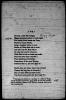
- The blessed damozel leaned out
- From the gold bar of Heaven;
- Her eyes were deeper than the depth
- Of waters stilled at even;
- She had three lilies in her hand,
- And the stars in her hair were seven.
- Her robe, ungirt from clasp to hem,
- No wrought flowers did adorn,
- But a white rose of Mary's gift,
- 10 For service meetly worn;
- And her hair lying down her back
- Was yellow like ripe corn.
- Herseemed she scarce had been a day
- One of God's choristers;
- The wonder was not yet quite gone
- From that still look of hers;
- Albeit, to them she left, her day
- Had counted as ten years.
- ( To one, it is ten years of years.
- 20 . . . Yet now, and in this place,
- Surely she lean'd o'er me—her hair
- Fell all about my face. . . .
- Nothing: the autumn fall of leaves.
- The whole year sets apace.)
- It was the rampart of God's house
- That she was standing on;
- By God built over the sheer depth
- The which is Space begun;
- So high, that looking downward thence
- 30 She scarce could see the sun.
- It lies in Heaven, across the flood
- Of ether, as a bridge.
- Beneath, the tides of day and night
- With flame and darkness ridge
- The void, as low as where this earth
- Spins like a fretful midge.
- She scarcely heard her sweet new friends;
- Amid their loving games
- Softly they spake among themselves
- 40 Their virginal chaste names;
- And the souls mounting up to God
- Went by her like thin flames.
- And still she bowed above the vast
- Waste sea of worlds that swarm;
- Until her bosom must have made
- The bar she leaned on warm,
- And the lilies lay as if asleep
- Along her bended arm.
- From the fixed place of Heaven she saw
- 50 Time like a pulse shake fierce
- Through all the worlds. Her gaze still strove
- Within the gulf to pierce
- Its path; and now she spoke as when
- The stars sang in their spheres.
- The sun was gone now; the curled moon
- Was like a little feather
- Fluttering far down the gulf; and now
- She spoke through the still weather.
- Her voice was like the voice the stars
- 60 Had when they sang together.
- ‘I wish that he were come to me,
- For he will come,’ she said.
- ‘Have I not prayed in Heaven?—on earth,
- Lord, Lord, has he not pray'd?
- Are not two prayers a perfect strength?
- And shall I feel afraid?
- ‘When round his head the aureole clings,
- And he is clothed in white,
- I'll take his hand and go with him
- 70 To the deep wells of light,
- And we will step down as to a stream,
- And bathe there in God's sight.
- ‘We two will stand beside that shrine,
- Occult, withheld, untrod,
- Whose lamps are stirred continually
- With prayer sent up to God;
- And see our old prayers, granted, melt
- Each like a little cloud.
- ‘We two will lie i' the shadow of
- 80 That living mystic tree,
- Within whose secret growth the Dove
- Is sometimes felt to be,
- While every leaf that his plumes touch
- Saith his name audibly.
- ‘And I myself will teach to him,
- I myself, lying so,
- The songs I sing here; which his voice
- Shall pause in, hushed and slow,
- And find some knowledge at each pause,
- 90 Or some new thing to know.’
- ( Ah sweet! Just now, in that bird's song,
- Strove not her accents there,
- Fain to be hearken'd? When those bells
- Possessed the midday air,
- Was she not stepping to my side
- Down all the trembling stair?)
- ‘We two,’ she said, ‘will seek the groves
- Where the lady Mary is,
- With her five handmaidens, whose names
- 100 Are five sweet symphonies,
- Cecily, Gertrude, Magdalen,
- Margaret and Rosalys.
- ‘Circlewise sit they, with bound locks
- And foreheads garlanded;
- Into the fine cloth white like flame
- Weaving the golden thread,
- To fashion the birth-robes for them
- Who are just born, being dead.
- ‘He shall fear, haply, and be dumb:
- 110 Then will I lay my cheek
- To his, and tell about our love,
- Not once abashed or weak:
- And the dear Mother will approve
- My pride, and let me speak.
- ‘Herself shall bring us, hand in hand,
- To Him round whom all souls
- Kneel, the clear-ranged unnumbered heads
- Bowed with their aureoles:
- And angels meeting us shall sing
- 120 To their citherns and citoles.
- ‘There will I ask of Christ the Lord
- Thus much for him and me:—
- Only to live as once on earth
- With Love,—only to be
- As then awhile, for ever now
- Together, I and he.’
- She gazed and listened and then said,
- Less sad of speech than mild,—
- ‘All this is when he comes.’ She ceased.
- 130 The light thrilled towards her, filled
- With angels in strong level flight.
- Her eyes prayed, and she smil'd.
- ( I saw her smile). But soon their course
- Was vague in distant spheres:
- And then she cast her arms along
- The golden barriers,
- And laid her face between her hands,
- And wept. ( I heard her tears.)
- Master of the murmuring courts
- Where the shapes of sleep convene,—
- When among thy dim resorts
- This my soul in dreams hath been,
- What of her whom it hath seen?
- No reports
- From those jealous courts I glean.
- Vaporous, unaccountable,
- Low they lie, unknown to light,
- 10Hollow like a breathing shell.
- Ah! that in those halls I might
- Choose a dream for my Delight!
- I know well
- What her sleep should tell tonight.
- There the dreams are multitudes:
- Some whose buoyance waits not sleep,
- Deep within the August woods;
- Some that hum while rest may steep
- Weary labour laid a-heap;
- 20 Interludes,
- Some, of grievous moods that weep.
- Thence are youth's warm fancies: there
- Women thrill with whisperings
- Valleys full of plaintive air;
- There breathe perfumes; there in rings
- Whirl the foam-bewildered springs;
- Syren there
- Winds her dizzy hair and sings.
- Thence the one dream mutually
- 30 Dreamed in bridal unison,
- Less than waking ecstasy;
- Half-formed visions that make moan
- In the house of birth alone;
- And what we
- At death's wicket see, unknown.
- But for mine own sleep, it lies
- In one gracious form's control,
- Fair with honorable eyes,
- Lamps of an auspicious soul:
- 40 O their glance is loftiest dole,
- Sweet and wise,
- Wherein Love descries his goal.
- Reft of her, my dreams are all
- Clammy trance that fears the sky:
- Changing footpaths shift and fall;
- From polluted coverts nigh,
- Miserable phantoms sigh;
- Quakes the pall,
- And the funeral goes by.
- 50As, since man waxed deathly wise,
- Secret somewhere on this earth
- Unpermitted Eden lies,—
- Thus within the world's wide girth
- Hides she from my spirit's dearth,—
- Paradise
- Of a love that cries for birth.
- Master, it is soothly said
- That, as echoes of man's speech
- Far in secret clefts are made,
- 60 So do all men's bodies reach
- Shadows o'er thy sunken beach,—
- Shape or shade
- In those halls pourtrayed of each?
- Ah! might I, by thy good grace
- Groping in the windy stair,
- (Darkness and the breath of space
- Like loud waters everywhere,)
- Meeting mine own image there
- Face to face,
- 70 Send it from that place to her!
- Nay, not I; but oh! do thou,
- Master, from thy shadowkind
- Call my body's phantom now:
- Bid it bear its face declin'd
- Till its flight her slumbers find,
- And her brow
- Feel its presence bow like wind.
- Where in groves the gracile Spring
- Trembles, with mute orison
- 80Confidently strengthening,
- Water's voice and wind's as one
- Shed an echo in the sun,
- Soft as Spring,
- Master, bid it sing and moan.
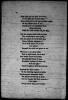
- Song shall tell how glad and strong
- Is the night she soothes alway;
- Moan shall grieve with that parched tongue
- Of the brazen hours of day:
- Sounds as of the springtide they,
- 90 Moan and song,
- While the chill months long for May.
- Not the prayers which with all leave
- The world's fluent woes prefer,—
- Not the praise the world doth give,
- Dulcet fulsome whisperer;—
- Let it yield man's love to her,
- And achieve
- Strength that shall not grieve or err.
- Wheresoe'er my sleep befall,
- 100 Both at night-watch, (let it say,)
- And where round the sundial
- The reluctant hours of day,
- Heartless, hopeless of their way,
- Rest and call,—
- There her glance doth fall and stay.
- Suddenly her face is there:
- So do mounting vapours wreathe
- Subtle-scented transports where
- The black firwood sets its teeth.
- 110 Part the boughs and look beneath,—
- Lilies share
- Secret waters there, and breathe.
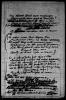
- How should love's own meßenger
- Strive with love and be love's foe?
- Alas, proud shade! Master, nay! If thus in her
- Sleep a wedded heart should show,—
- [?] Silent let mine image go,
-
My own share
Added TextIts old share
- 140 Of Death's thy sunken air to know.
- Alas Then too let all hopes of mine,
- All vain [?] of hopes by night and day,
-
Though [?]
Added TextMaster, at thy summoning sign
-
For both [?]
Added TextRise up pallid and obey.
- Bitter barren dreams Dreams, if this is thus, were they,
- Be they thine,
- And in to dreamland pine always away.
- (So, when some lost legion lies
- Ambushed where no help appears,—
- 150All night long with unseen eyes
- Watching for the growth of spears,—
- Like their ghosts, when morning rears,
- Dumb they rise,
- Ready without sighs or tears. )
- So a chief who all night lies
- Ambushed where no help appears—
- 'Mid his ranks of unseen eyes
- Watching for the growth of spears,—
- Like their ghosts, when morning nears,
- 160 Sees them rise,
- Ready without sighs or tears.
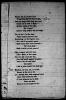
- Master, bid my shadow bend
- Whispering thus low till birth of light,
- Lest new shapes that sleep may send
- Scatter all its work to flight;—
- Master, master of the night,
- Bid it spend
- Speech, song, prayer, and end aright.
- 120Yet, ah me! if at her head
- There another phantom lean
- Murmuring o'er the fragrant bed,—
- Ah! and if my spirit's queen
- Smile those alien words between,—
- Ah! poor shade!
- Shall it strive, or fade unseen?
- Like a vapour wan and mute,
- Like a flame, so let it pass;
- One low sigh across her lute,
- 130 One dull breath against her glass;
- And to my sad soul, alas!
- One salute
- Cold as when death's foot shall pass.
- But Yet from old time, life, not death,
- Master, in thy rule is rife:
- Lo! through thee, with mingling breath,
- Adam woke beside his wife.
- O Love bring me so, for strife,
- Force and faith,
- Bring me so not death but life!
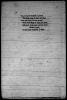
- Yea, to Love himself is pour'd
- 170 This frail song of hope and fear.
- Thou art Love, of one accord
- With kind Sleep to bring her here,
- Still-eyed, deep-eyed, ah how dear!
- Master, Lord,
- In her name implor'd, O hear!
‘Burden. Heavy calamity; The chorus of a song.’— Dictionary.
- In our Museum galleries
- To-day I lingered o'er the prize,
- Dead Greece vouchsafes to living eyes—
- Her Art for ever in fresh wise
- From hour to hour rejoicing me.
- Sighing I turned at last to win
- Once more the London dirt and din;
- And as I made the wicket swing-door spin
- And issued, they were hoisting in
- 10 A wingèd beast from Nineveh.
- A human face the creature wore,
- And hoofs behind and hoofs before,
- And flanks with dark runes fretted o'er.
- 'Twas bull, 'twas mitred Minotaur,
- A dead disbowelled mystery;
- The mummy of a buried faith,
- Stark from the charnel without scathe,
- Its wings stood for the light to bathe,—
- Such fossil cerements as might swathe
- 20 The very corpse of Nineveh.
- The print of its first rush-wrapping,
- Wound ere it dried, still ribbed the thing.
- (What song did the brown maidens sing,
- From purple mouths alternating,
- When that was woven languidly?)
- What vows, what rites, what prayers preferr'd,
- What songs has the strange image heard?
- In what blind vigil stood interr'd
- For ages, till an English word
- 30Broke silence first at Nineveh?
- On London stones our sun anew
- The beast's recovered shadow threw.
- No shade that plague of darkness knew,
- No light, no shade, while older grew
- By ages the old earth and sea.
- Oh! seemed it not—the spell once broke,—
- As though the sculptured warriors woke,
- As though the shaft the string forsook,
- The cymbals clashed, the chariots shook,
- 40And there was life in Nineveh?
-
On London stones its shape lay scor'd,
Added TextThat day whereof we keep record,
- That day when, nigh the gates, When near at thy city-gates the Lord
- Sheltered th his Jonah with a gourd,
- This sun , (I said) here present, pour'd
- Even thus this shadow that I see.
- This shadow has been shed the same
- From sun and moon,—from lamps which came
- For prayer,—from fifteen days of flame,
- The last, while smouldered to a name
- 60 Sardanapalus' Nineveh.
- Within thy shadow, haply, once
- Sennacherib has knelt, whose sons
- Smote him between the altar-stones:
- Or pale Semiramis her zones
- Of gold, her incense brought to thee ,
- In love for grace, in war for aid: . . . .
- Ay, and who else? . . . . till 'neath thy shade
- Within his trenches newly made
- Last/This Last year the Christian knelt and pray'd— *
- 70 Not to thy strength—in Nineveh.
- Now, thou poor god, within this hall
- Where the blank windows blind the wall
- From pedestal to pedestal,
- The kind of light shall on thee fall
- Which London takes the day to be:
- While school-foundations in the act
- Of holiday, three files compact,
- Shall learn to view thee as a fact
- Connected with that zealous tract:
- 80 ‘Rome,—Babylon and Nineveh.’
*
During the excavations, the
Mr. Layard's Tiyari workmen
professed
held their
Christian services in
the
shadow of the great bulls.
(
Layard's Nineveh)
This poem was written when the sculptures were
first brought to England.
- Deemed they of this, those worshippers,
- When, in some mythic chain of verse,
- Which man shall not again rehearse,
- The faces of thy ministers
- Yearned pale with bitter ecstasy?
- Greece, Egypt, Rome,—did any god
- Before whose feet men knelt unshod
- Deem that in this unblest abode
- An elder, scarce more unknown god
- 90 Should house with him from Nineveh?
- Ah! in what quarries lay the stone
- From which this pigmy pile has grown,
- Unto man's need how long unknown,
- Since thy vast temples, court and cone
- Rose far in desert history?
- Ah! what is here that does not lie
- All strange to thine awakened eye?
- Ah! what is here can testify
- (Save that dumb presence of the sky)
- 100 Unto thy day and Nineveh?
- Why, of those mummies in the room
- Above, there might indeed have come
- One out of Egypt to thy home,
- A pilgrim. Nay, but even to some
- Of these thou wert wast antiquity!
- And now,—they and their gods and thou
- All relics here together,—now
- Whose profit? whether bull or cow,
- Isis or Ibis, who or how,
- 110 Whether of Thebes or Nineveh?
- The consecrated metals found,
- And ivory tablets, underground,
- Winged teraphim and creatures crown'd,
- When air and daylight filled the mound,
- Fell into dust immediately.
- And even as these, the images
- Of awe and worship,—even as these,—
- So, smitten with the sun's increase,
- Her glory mouldered and did cease
- 120 From immemorial Nineveh.
- The day her builders made their halt,
- Those cities of the lake of salt
- Stood firmly 'stablished without fault,
- Made proud with pillars of basalt,
- With sardonyx and porphyry.
- The day that Jonah bore abroad
- To Nineveh the voice of God,
- A brackish lake lay in his road,
- Where erst Pride fixed her sure abode,
- 130 As then in royal Nineveh.
- The day when he, Pride's lord and Man's,
- Showed all earth's the kingdoms at a glance
- To Him before whose countenance
- The years recede, the years advance,
- And said, Fall down and worship me:—
- 'Mid all the pomp beneath that look,
- Then stirred there, haply, some rebuke,
- Where to the wind the salt pools shook,
- And in those tracts, of life forsook,
- 140That knew thee not, O Nineveh!
- Delicate harlot , eldest grown ! On thy throne
-
Of earthly queens! thou on thy throne
Added TextThou with the world a world beneath thee prone
- In state for ages sat'st alone;
- And needs were years and lustres flown
- Ere strength of man could vanquish thee:
- Whom even thy victor foes must bring,
- Still royal, among maids that sing
- As with doves' voices, taboring
- Upon their breasts, unto the King,—
- 150 A kingly conquest, Nineveh!
- . . . Here woke my thought. The wind's slow sway
- Had waxed; and like the human play
- Of scorn that smiling spreads away,
- The sunshine shivered off the day:
- The callous wind, it seemed to me,
- Swept up the shadow from the ground:
- And pale as whom the Fates astound,
- The god forlorn stood winged and crown'd:
- Within I knew the cry lay bound
- 160 Of the dumb soul of Nineveh.
- And as I turned, my sense half shut
- Still saw the crowds of kerb and rut
- Go past as marshalled to the strut
- Of ranks in gypsum quaintly cut.
- It seemed in one same pageantry
- They followed forms which had been erst;
- To pass, till on my sight should burst
- That future of the best or worst
- When some may question which was first,
- 170 Of London or of Nineveh.
- For as that Bull-god once did stand
- And watched the burial-clouds of sand,
- Till these at last without a hand
- Rose o'er his eyes, another land,
- And blinded him with destiny:—
- So may he stand again; till now,
- In ships of unknown sail and prow,
- Some tribe of the Australian plough
- Bear him afar,—a relic now
- 180 Of London, not of Nineveh . !
- Or it may chance indeed that when
- Man's age is hoary among men,—
- His centuries threescore and ten,—
- His furthest childhood shall seem then
- More clear than later times may be:
- Who, finding in this desert place
- This form, shall hold us for some race
- That walked not in Christ's lowly ways,
- But bowed its pride and vowed its praise
- 190 Unto the God of Nineveh.
- The smile rose first,—anon drew nigh
- The thought: . . . Those heavy wings spread high
- So sure of flight, which do not fly;
- That set gaze never on the sky;
- Those scriptured flanks it cannot see;
- Its crown, a brow-contracting load;
- Its planted feet which trust the sod: . . .
- (So grew the image as I trod:)
- O Nineveh, was this thy God,—
- 200 Thine also, mighty Nineveh?
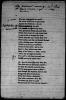
- Mother of the Fair Delight,
- Whose Thou handmaid perfect in God's sight,
- Now sitting fourth beside the Three,
- Thyself a woman-Trinity,
- Being a daughter borne to God,
- Mother of Christ from stall to rood,
- And wife unto the Holy Ghost:
- Oh when our need is uttermost,
- Think that to such as death may strike
- 10Thou hast been sister sisterlike!
- Thou headstone of humanity,
- Groundstone of the great Mystery,
- Fashioned like us, yet more than we!
- Mind'st thou not (when June's heavy breath
- Warmed the long days in Nazareth,)
- That eve thou did'st go forth to give
- Thy flowers some drink that they might live
- One faint night more amid the sands?
- Far off the trees were as pale wands
- 20Against the fervid sky: the sea
- Behind reached on Sighed further off eternally
- Like an old ancient music - soothing sleep.
- Then gloried thy deep eyes, and deep
- Within thine heart the song waxed loud:
- It was to thee as though the cloud
- Which shuts the inner shrine from view
- Were molten, and thy God burned through:
- Until a folding sense, like prayer,
- Which is, as God is, everywhere,
- 30Gathered about thee; and a voice
- Spake to thee without any noise,
- Being of the Silence:—‘Hail,’ it said,
- ‘Thou that art highly favourèd;
- The Lord is with thee here and now,
- Bless è ed among all women thou.’
*This hymn was written as a prologue to a series of designs.
Art
still identifies herself with
classic
all faiths for her own purposes:
and the emotional
influence here employed demands above all an
inner standing-point.
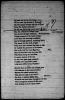
- Ah! knew'st thou of the end, when first
- That Babe was on thy bosom nurs'd?—
- Or when He tottered round thy knee
- Did thy great sorrow dawn on thee?—
- 40And through His boyhood, year by year
- Eating with Him the Passover,
- Did'st thou discern confusedly
- That holier sacrament, when He,
- The bitter cup about to quaff,
- Should break the bread and eat thereof?—
- Or came not yet the knowledge, even
- Till on some day forecast in Heaven ,
- His feet passed through th e y door to press
- Upon His Father's business?—
- 50Or still was God's high secret kept?
- Nay, but I think the whisper crept
- Like growth through childhood. Work and play,
- Things common to the course of day,
- Awed thee with meanings unfulfill'd;
- And all through girlhood, something still'd
- Thy senses like the birth of light,
- When thou hast trimmed thy lamp at night
- Or washed thy garments in the stream;
- For to thy bed had come to the dream
- 60That He was thine and thou wast His
- Who feeds among the field-lilies.
- O solemn shadow of the end
- In that wise spirit long contain'd!
- O awful end! and those unsaid
- Long years when It was Finishèd!
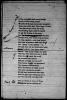
- Mind'st thou not (when the twilight gone
- Left darkness in the house of John,)
- Between the naked window-bars
- That spacious vigil of the stars?—
- 70For thou, a watcher wan even as they,
- Would'st rise from where throughout the day
- Thou wroughtest raiment for His poor;
- And, finding the fixed terms endure
- Of day and night which never brought
- Sounds of His coming chariot,
- Would'st lift through cloud-waste unexplor'd
- Those eyes which said, ‘How long, O Lord?’
- Then that disciple whom He loved,
- Well heeding, haply would be moved
- 80To ask thy blessing in his name;
- And thy thought and his thought that one thought in both, the same
- Though silent, then would clasp ye round
- To weep together,—tears long bound,
- Sick tears of patience, dumb and slow ,
- Yet, ‘Surely I come quickly,’—so
- He said, from life and death gone home.
- A now Amen: even so, Lord Jesus, come!’
- But oh! what human tongue can speak
- That day when death was sent to break
- 90From the tir e 'd spirit, like a veil,
- Its covenant with Gabriel
- Endured at length unto the end?
- What human thought can apprehend
- That mystery of motherhood
- When thy Beloved at length renew'd
- The sweet communion severèd,—
- His left hand underneath thine head
- And His right hand embracing thee?—
- Lo! He was thine, and this is He!
- 100Soul, is it Faith, or Love, or Hope,
- Now let That lets me see her standing up
- Where the light of the Throne is bright?
- Unto the left, unto the right,
- The cherubim, arrayed, conjoint,
- Float inward to a golden point,
- And from between the seraphim
- The glory issues like a hymn.
- O Mary Mother, be not loth
- To listen,—thou whom the stars clothe,—
- 110Who se e ëst and may'st not be seen!
- Help us a little, Hear us at last, O Mary Queen!
- Into our shadow lean bend thy face,
- Bowing thee from the secret place,
- O Mary Virgin, full of grace!
![Image of page [26]](http://www.rossettiarchive.org/img/thumbs_small/1-1870.penka.26.jpg)
- ‘Who rules owns these lands?’ the Pilgrim said.
- ‘Stranger, Queen Blanchelys.’
- ‘And who has thus harried them?’ he said.
- ‘It was Duke Luke did this:
- God's ban be his!’
- The Pilgrim said: ‘Where is your house?
- I'll rest there, with your will.’
- ‘Ye've but to climb these blackened boughs
- And ye'll see it o'er over the hill,
- 10 For it burns still.’
- ‘Which road, to seek your Queen?’ said he.
- ‘Nay, nay, but with some wound
- Thou'lt fly back hither, it may be,
- And by thy blood i' the ground
- My place be found.’
- ‘Friend, stay in peace. God keep thy head,
- And mine, where I will go;
- For He is here and there,’ he said.
- He passed the hill-side, slow,
- 20 And stood below.
- The Queen sat idle by her loom:
- She heard the arras stir,
- And looked up sadly: through the room
- The sweetness sickened her
- Of musk and myrrh.
- Her women, standing two and two,
- In silence combed the fleece.
- The pilgrim said, ‘Peace be with you,
- Lady;’ and bent his knees.
- 30 She answered, ‘Peace.’
- Her eyes were like the wave within;
- Like water-reeds the poise
- Of her soft body, dainty thin;
- And like the water's noise
- Her plaintive voice.
- For him, the stream had never well'd
- In desert tracts malign
- So sweet; nor had he ever felt
- So faint in the sunshine
- 40 Of Palestine.
- Right so, he knew that he saw weep
- Each night through every dream
- The Queen's own face, confused in sleep
- With visages supreme
- Not known to him.
- ‘Lady,’ he said, ‘your lands lie burnt
- And waste: to meet your foe
- All fear: this I have seen and learnt.
- Say that it shall be so,
- 50 And I will go.’
- She gazed at him. ‘Your cause is just,
- For I have heard the same:’
- He said: ‘God's strength shall be my trust.
- Fall it to good or grame,
- 'Tis in His name.’
- ‘Sir, you are thanked. My cause is dead.
- Why should you toil to break
- A grave, and fall therein?’ she said.
- He did not pause but spake:
- 60 ‘For my vow's sake.’
- ‘Can such vows be, Sir—to God's ear,
- Not to God's will?’ ‘My vow
- Remains. God heard me there as here,’
- He said with reverent brow,
- ‘Both then and now.’
- They gazed together, he and she,
- The minute while they spoke;
- And when he ceased, she suddenly
- Looked round upon her folk
- 70 As though she woke.
- ‘Fight, Sir,’ she said, ‘my prayers in pain
- Shall be your fellowship.’
- He whispered one among her train,—
- ‘To-night thou'lt bid her keep
- This staff and scrip.’
- She sent him a sharp sword, whose belt
- About his body there
- As sweet as her own arms he felt.
- He kissed its blade, all bare,
- 80 Instead of her.
- She sent him a green banner wrought
- With one white lily stem,
- To bind his lance with when he fought.
- He writ upon the same
- And kissed her name.
- She sent him a white shield, whereon
- She bade that he should trace
- His will. He blent fair hues that shone,
- And in a golden space
- 90 He kissed her face.
- Right so, the sunset skies unseal'd,
- Like lands he never knew,
- Beyond to-morrow's battle-field
- Lay open out of view
- To ride into.
- Next day till dark the women pray'd:
- Nor any might know there
- How the fight went: the Queen has bade
- That there do come to her
- 100 No messenger.
- Weak now to them the voice o' the priest
- As any trance affords;
- And when each anthem failed and ceas'd,
- It seemed that the last chords
- Still sang the words.
- ‘Oh what is the light that shines so red?
- 'Tis long since the sun set;’
- Quoth the youngest to the eldest maid:
- ‘'Twas dim but now, and yet
- 110 The light is great.’
- Quoth the other: ‘'Tis our sight is dazed
- That we see flame i' the air.’
- But the Queen held her brows and gazed,
- And said, ‘It is the glare
- Of torches there.’
- ‘Oh what are the sounds that rise and spread?
- All day it was so still;’
- Quoth the youngest to the eldest maid;
- ‘Unto the furthest hill
- 120 The air they fill.’
- Quoth the other; ‘'Tis our sense is blurr'd
- With all the chants gone by.’
- But the Queen held her breath and heard,
- And said, ‘It is the cry
- Of Victory.’
- The first of all the rout was sound,
- The next were dust and flame,
- And then the horses shook the ground:
- And in the thick of them
- 130 A still band came.
- ‘Oh what do ye bring out of the fight,
- Thus hid beneath these boughs?’
- ‘One that shall be thy guest to-night,
- And yet shall not carouse,
- Queen, in thy house.’
- ‘Uncover ye his face,’ she said.
- ‘O changed in little space!’
- She cried, ‘O pale that was so red!
- O God, O God of grace!
- 140 Cover his face.’
- His sword was broken in his hand
- Where he had kissed the blade.
- ‘O soft steel that could not withstand!
- O my hard heart unstayed,
- That prayed and prayed!’
- His bloodied banner crossed his mouth
- Where he had kissed her name.
- ‘O east, and west, and north, and south,
- Fair flew my web, for shame,
- 150 To guide Death's aim!’
- The tints were shredded from his shield
- Where he had kissed her face.
- ‘Oh, of all gifts that I could yield,
- Death only keeps its place,
- My gift and grace!’
- Then stepped a damsel to her side,
- And spake, and needs must weep;
- ‘For his sake, lady, if he died,
- He prayed of thee to keep
- 160 This staff and scrip.’
- That night they hung above her bed,
- Till morning wet with tears.
- Year after year above her head
- Her bed his token wears,
- Five years, ten years.
- That night the passion of her grief
- Shook them as there they hung.
- Each year the wind that shed the leaf
- Shook them and in its tongue
- 170 A message flung.
- And she would wake with a clear mind
- That letters writ to calm
- Her soul lay in the scrip; and find
- Only a torpid balm
- And dust of palm.
- They shook far off with palace sport
- When joust and dance were rife;
- And the hunt shook them from the court;
- For hers, in peace or strife,
- 180 Was a Queen's life.
- A Queen's death now: as now they shake
- To chaunts in chapel dim,—
- Hung where she sleeps, not seen to wake,
- (Carved lovely white and slim),
- With them by him.
- Stand up to-day, still armed, with her,
- Good knight, before His brow
- Who then as now was here and there,
- Who had in mind thy vow
- 190 Then even as now.
- The lists are set in Heaven to-day,
- The bright pavilions shine;
- Fair hangs thy shield, and none gainsay;
- The trumpets sound in sign
- That she is thine.
- Not tithed with days' and years' decease
- He pays thy wage He owed,
- But with imperishable peace
- Here in His own abode,
- 200 Thy jealous God.
![Image of page [36]](http://www.rossettiarchive.org/img/thumbs_small/1-1870.penka.36.jpg)
- “Why did/must did you melt your waxen man,
- Sister Helen?
- To-night is the third since you began.”
- “ To-day was The days were long, yet sadly[?] the days ran,
- Little brother.”
- ( O Mother, Mary Mother!
- Dark day, Three days to-day, between Hell and Heaven! )
- ‘ And But if you have seethed your wax done your work aright,
- Sister Helen,
- 10 You'll let me play, for you said I might.’
- ‘Be very still in your play to-night,
- Little brother.’
- ( O Mother, Mary Mother,
- Wild Third night, to-night, between Hell and Heaven!
- ‘You said it must melt ere vesper-bell,
- Sister Helen;
- If now it be molten, all is well.’
- ‘Even so,—nay, peace! you cannot tell,
- Little brother.’
- 20 ( O Mother, Mary Mother,
- O what is this, between Hell and Heaven?)
- ‘Oh the waxen knave was plump to-day,
- Sister Helen;
- How like dead folk he has dropped away!’
- ‘Nay now, of the dead what can you say,
- Little brother?’
- ( O Mother, Mary Mother,
- What of the dead, between Hell and Heaven?)
- ‘See, see, the sunken pile of wood,
- 30 Sister Helen,
- Shines through the thinned wax red as blood!’
- ‘Nay now, when looked you yet on blood,
- Little brother?’
- ( O Mother, Mary Mother,
- How pale she is, between Hell and Heaven!)
- ‘Now close your eyes, for they're sick and sore,
- Sister Helen,
- And I'll play without the gallery balcony door.’
- ‘Aye, let me rest,—I'll lie on the floor,
- 40 Little brother.’
- ( O Mother, Mary Mother,
- What rest to-night, between Hell and Heaven?)
- ‘Here high up in the balcony,
- Sister Helen,
- The moon flies face to face with me.’
- ‘Aye, look and say whatever you see,
- Little brother.’
- ( O Mother, Mary Mother,
- What sight to-night between Hell and Heaven?)
- 50‘Outside it's merry in the wind's wake,
- Sister Helen;
- In the shaken trees the chill stars shake.’
- ‘Hush, heard you a horse-tread as you spake,
- Little brother?’
- ( O Mother, Mary Mother,
- What sound to-night between Hell and Heaven?)
- ‘I hear a horse-tread, and I see,
- Sister Helen,
- Three horsemen that ride terribly.’
- 60‘Little brother, whence come the three,
- Little brother?’
- ( O Mother, Mary Mother,
- Whence should they come, between Hell and Heaven?)
- ‘They come by the hill-verge from Boyne Bar,
- Sister Helen,
- And one draws nigh, but two are afar.’
- ‘Look, look, do you know them who they are,
- Little brother?’
- ( O Mother, Mary Mother,
- 70 Who should they be, between Hell and Heaven?)
- ‘Oh, it's Holm of East Holm rides so fast,
- Sister Helen,
- For I know the white mane on the blast.’
- ‘The hour has come, has come at last,
- Little brother!’
- ( O Mother, Mary Mother,
- Her hour at last, between Hell and Heaven!)
- ‘He has made a sign and called Halloo!
- Sister Helen,
- 80 And he says that he would speak with you.’
- ‘Oh tell him I fear the frozen dew,
- Little brother.’
- ( O Mother, Mary Mother,
- Why laughs she thus, between Hell and Heaven?)
- ‘The wind is loud, but I hear him cry,
- Sister Helen,
- That Holm of Ewern's like to die.’
- ‘And he and thou, and thou and I,
- Little brother.’
- 90 ( O Mother, Mary Mother,
- And they and we, between Hell and Heaven!)
- ‘ Since yesterday he lies sick For three days now he has lain abed,
- Sister Helen,
- And he prays in torment to be dead.’
- ‘The thing may chance, if he have prayed,
- Little brother!’
- ( O Mother, Mary Mother,
- If he have prayed, between Hell and Heaven!)
- ‘But he has not ceased to cry all day to-day,
- 100 Sister Helen,
- That you should take your curse away.’
- ‘ My prayer was heard,—he need but pray,
- Little brother!’
- ( O Mother, Mary Mother,
- Shall God not hear, between Hell and Heaven?)
- ‘ He But says, till you take back your ban,
- Sister Helen,
- His soul would pass, but never can.’
- ‘Nay then, shall I slay a living man,
- 110 Little brother?’
- ( O Mother, Mary Mother,
- A living soul, between Hell and Heaven!)
- “But he calls for ever on your name,
- Sister Helen,
- And says that he melts before a flame.”
- his body melts with flame.
- So burned my heart till his body came
- My heart burned long with my body's shame.
- For the heart
- 120‘Here's Holm of West Holm riding fast,
- Sister Helen,
- For I know the white plume on the blast.’
- ‘The hour, the sweet hour I forecast,
- Little brother!’
- ( O Mother, Mary Mother,
- Is the hour sweet, between Hell and Heaven?)
- ‘He stops to speak, and he stills his horse,
- Sister Helen;
- But his words are drowned in the wind's course.’
- 130‘Nay hear, nay hear, you must hear perforce,
- Little brother;’
- ( O Mother, Mary Mother,
- A word ill heard between Hell and Heaven!)
- ‘Oh he says that Holm of Ewern's cry,
- Sister Helen,
- Is ever to see you ere he die.’
- ‘He sees me in earth, in moon and sky,
- Little brother!’
- ( O Mother, Mary Mother,
- 140 Earth, moon and sky, between Hell and Heaven!)
- ‘He sends a ring and a broken coin,
- Sister Helen,
- And bids you mind the banks of Boyne.’
- ‘What else he broke will he ever join,
- Little brother?’
- ( O Mother, Mary Mother,
- Oh, never more, between Hell and Heaven!)
- ‘He yields you these and craves full fain,
- Sister Helen,
- 150 You pardon him in his mortal pain.’
- ‘What else he took will he give again,
- Little brother?’
- ( O Mother, Mary Mother,
- No more again, between Hell and Heaven!)
- ‘He calls your name in an agony,
- Sister Helen,
- That even dead Love must weep to see.’
- ‘Hate, born of Love, is blind as he,
- Little brother!’
- 160 ( O Mother, Mary Mother,
- Love turned to hate, between Hell and Heaven!)
- ‘Oh it's Holm of Holm now that rides fast,
- Sister Helen,
- For I know the white hair on the blast.’
- ‘The short short hour will soon be past,
- Little brother!’
- ( O Mother, Mary Mother,
- Will soon be past, between Hell and Heaven!)
- ‘He looks at me and he tries to speak,
- 170 Sister Helen,
- But oh! his voice is sad and weak!’
- ‘What here should the mighty Baron seek,
- Little brother?’
- ( O Mother, Mary Mother,
- Oh vainly sought, between Hell and Heaven!)
- ‘Oh his son still cries, if you forgive,
- Sister Helen,
- The body dies but the soul shall live.’
- ‘Fire shall forgive me as I forgive,
- 180 Little brother!’
- ( O Mother, Mary Mother,
- Fire of the soul In this forgiven, between Hell and Heaven! )
- ‘Oh he prays you, as his heart would rive,
- Sister Helen,
- To save his dear son's soul alive.’
- ‘Nay, flame cannot slay it, it shall thrive,
- Little brother!’
- ( O Mother, Mary Mother,
- Alas, alas, between Hell and Heaven!)
- 190‘He cries to you, kneeling in the road,
- Sister Helen,
- To go with him for the love of God!’
- ‘The way is long to his son's abode,
- Little brother.’
- ( O Mother, Mary Mother,
- The way is long, between Hell and Heaven!)
- ‘O Sister Helen, you heard the bell,
- Sister Helen!
- More loud than the vesper-chime it fell.’
- 200‘No vesper-chime, but a dying knell,
- Little brother!’
- ( O Mother, Mary Mother,
- His dying knell, between Hell and Heaven!)
- ‘Alas! but I fear the heavy sound,
- Sister Helen;
- Is it in the sky or in the ground?’
- ‘Say, have they turned their horses round,
- Little brother?’
- ( O Mother, Mary Mother,
- 210 What would she more, between Hell and Heaven?)
- ‘They have raised the old man from his knee,
- Sister Helen,
- And they ride in silence hastily.’
- ‘More fast the naked soul doth flee,
- Little brother!’
- ( O Mother, Mary Mother,
- The naked soul, between Hell and Heaven!)
- ‘Oh the wind is sad in the iron chill,
- Sister Helen,
- 220 And weary sad they look by the hill.’
- ‘But he they mourn is sadder still,
- Little brother!’
- ( O Mother, Mary Mother,
- Most sad of all, between Hell and Heaven!)
- ‘See, see, the wax has dropped from its place,
- Sister Helen,
- And the flames are winning up apace!’
- ‘Yet here they burn but for a space,
- Little brother!’
- 230 ( O Mother, Mary Mother,
- Here for a space, between Hell and Heaven!)
- ‘Ah! what white thing at the door has cross'd,
- Sister Helen?
- Ah! what is this that sighs in the frost?’
- ‘A soul that's lost as mine is lost,
- Little brother!’
- ( O Mother, Mary Mother,
- Lost, lost, all lost, between Hell and Heaven!)
![Image of page [46]](http://www.rossettiarchive.org/img/thumbs_small/1-1870.penka.46.jpg)
- ‘O have you seen the Stratton flood
- That's great with rain to-day?
- It runs beneath your wall, Lord Sands,
- Full of the new-mown hay.
- ‘I led your hounds to Hutton bank
- To bathe at early morn:
- They got their bath at by Borrowbrake
- Above the standing corn.’
- Out from the castle-stair Lord Sands
- 10 Looked up the western lea;
- The rook was grieving on her nest,
- The flood was round her tree.
- Over the castle-wall Lord Sands,
- Looked down the eastern hill:
- The stakes swam free among the boats,
- The flood was rising still.
-
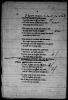
‘What thing is yon that shines so white
Added Text“What's yonder though far down far below that lies
-
Against the hither slope?’
Added TextSo white against the slope?”
- ‘O it's a sail o' your bonny barks
- 20 The waters have washed up.
- ‘But I've no sails so white as yon I have never a sail so white,
- And the water's n e ot yet there.’
- ‘O it's the swans of yon your bonny lake
- The rising flood doth scare.’
- ‘The swans they would not hold so still,
- So high they would not swim win.’
- ‘O it's Joyce my wife has spread her smock
- And fears to fetch it in.’
- ‘Nay, knave, it's neither sail nor swans,
- 30 Nor aught that you can say;
- For though your wife might leave her smock,
- Herself she'd bring away.’
- Lord Sands has passed the turret-stair,
- The court, and yard, and all;
- The kine were in the l byre that day,
- The nags were in the stall.
-
Lord Sands has won the weltering hill
Added TextA moment stood he as a stone,
- And Then grovelled to his knee .
- ‘O Jean, O Jean my love, my O love,
- 40 Rise up and come with me!’
- ‘O once before you m bade me come,
- And it's here you have brought me!’
- ‘O many's the sweet word of love
- You've spoken oft to me;
- But all that I have from you to-day
- Is the rain on my body.
![Image of page [49a]](http://www.rossettiarchive.org/img/1-1870.penka.49a.jpg)
- Lord Sands has won the weltering hill slope
- Whereon the white shape lay:
- The clouds were still above the hill,
- And the shape was still as they.
- Oh pleasant is the gaze of life
- And sad is death's sightless blind head;
- But awful are the living eyes
- In the face of one thought dead.
- “O Jean! and is it me, thy love,
- 10 Thy ghost has come to seek?”
- “Nay, wait another hour, Lord Sands,
- And then my ghost shall speak.”
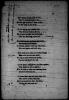
- ‘And many are the gifts of love
- You've promised oft to me;
- But the gift of yours I keep to-day
- 50 Is the babe in my body.
- ‘O it's not in any earthly bed
- That first my babe I'll see;
- For I have brought my body here
- That the flood my may cover me.’
-
He held her face between his hands,
Added TextHis face yearned was close against her face,
-
Her hands in his again:
Added TextHis hands of hers were fain:
- O her wet cheeks were hot with tears,
- Her wet hands cold with rain.
- ‘Now keep you well, my brother Hugh, —
- 60 That You told me she was dead!
- As wan as your towers be to-day,
- To-morrow they'll be red.
- ‘Look down, look down, my false mother,
- That bade me not to grieve:
- You'll look up when our marriage fires
- Are lit to-morrow eve.
- ‘O more than one and more than two
- The sorrow of this shall see:
- But it's to-morrow, love, for them,—
- 70 To-day 's for thee and me.’
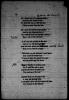
- He's drawn her face unto his own between his hands
- And her pale mouth to his:
- No bird that was so still that day
- Chirps sweeter than his kiss.
- He's ta'en her by the short girdle
- And by the dripping sleeve;
- ‘Go fetch Sir Jock my mother's priest,—
- Vou You'll ask of him no leave.
- ‘O it's yet ten minutes to the kirk
- 80 And ten for the marriage-rite;
- And kirk and castle and broad lands castle-lands
- Shall be our babe's to-night.’
- ‘The flood's in the kirkyard, Lord Sands,
- And round the belfry-stair.’
- ‘I bade ye fetch the priest,’ he said,
- ‘Myself shall bring him there.
- ‘ And It's for the lilt of wedding bells
- We'll have the rain to pour,
- And for the clink of bridle-reins
- 90 The plashing of the oar.’
- Beneath them on the nether hill
- A boat was floating wide:
- Lord Sands swam out and caught the oars
- And backed to the hill-side.
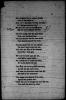
- He's wrapped her in a green mantle,
- And set her softly in.
- And ‘Oh!’ she said, ‘lie still, my babe,
- It's out you must not win!’
- But woe was with the bonn ie y priest,
- 100 For When the water splashed his chin.
- The first strokes that the oars struck
- Were over the broad leas;
- The next strokes that the oars struck
- They pushed beneath the trees;
- The last stroke that the oars struck,
- The good boat's head was met,
- And there the door of the kirkyard
- Stood like a ferry-gate.
- He's set his hand upon the bar,
- 110 And lightly leaped within:
- He's lifted her to his left shoulder,
- Her knees beside his chin.
- The flood was on the graves knee-deep,
- As still the rain came down;
- And when the foot-stone made him slip,
- He held by the head-stone.
- The empty boat thrawed i' the wind,
- Against the postern tied:
- “Hold still, you've brought my love with me,
- 120 You shall take back my bride.’
- And ‘Oh!’ she said, ‘on men's shoulders
- I well had thought to wend,
- And well to travel with a priest,
- But not to have cared or ken ned.' 'd.
- ‘And oh!’ she said, ‘it's well this way
- That I thought to have fared,—
- Not to have lighted at the kirk
- But stopped in the kirkyard.
- ‘For it's oh and oh I prayed to God,
- 130 Whose rest I hoped to win,
- That when to-night at your board-head
- You'd bid the feast begin,
- This water past your window-sill
- Might bear my body in.’
- Now make the white bed warm and soft
- And greet the merry morn , .
- The night the mother should have died
- The young son shall be born.
- The shadows fall along the wall,
- It's night at Haye-la-Serre;
- The maidens weave since day grew eve,
- The lady's in her chair.
- O passing slow the long hours go
- With time to think and sigh,
- When weary maidens weave beneath
- A listless lady's eye.
- It's two days that Earl Simon's gone
- 10 And it's the second night;
- At Haye-la-Serre the lady's fair,
- In June the moon is light.
- O it's ‘Maids, ye'll wake till I come back,’
- And the hound's i' the lady's chair:
- No shuttles fly, the work stands by,
- It's play at Haye-la-Serre.
- The night is worn, the lamp's forlorn,
- The shadows waste and ail;
- There's morning air at Haye-la-Serre,
- 20 The watching maids look pale.
- O all unmarked the birds at dawn
- Where drowsy maidens be;
- But heard too soon the lark's first tune
- Beneath the trysting-tree.
- ‘Hold me thy hand, sweet Dennis Shand,’
- Says the Lady Joan de Haye,
- ‘That thou to-morrow do forget
- To-day and yesterday.
- ‘O it's the autumn nights are chill,
- 30 The winter nights are long,
- And my lord 'll bide at home o' nights
- As long as the swallow's gone.
- ‘This summer he'll not be forth again
- And not again till spring;
- The wind is cold to him that's old
- And the frost withering.
- ‘We've all to fear; there's Maud the spy,
- There's Ann whose face I scor'd,
- There's Blanch tells Huot everything,
- 40 And Huot loves my lord.
- ‘But O and it's my Dennis 'll know,
- When my eyes look weary dim,
- Who finds the gold for his girdle-fee
- And who keeps love for him.’
- The morrow's come and the morrow-night,
- It's feast at Haye-la-Serre,
- And Dennis Shand the cup must hand
- Beside Earl Simon's chair.
- And still when the high pouring's done
- 50 And cup and flagon clink,
- Till his lady's lips have touched the brim
- Earl Simon will not drink.
- ‘But it's, ‘Joan my wife,’ Earl Simon says,
- ‘Your maids are white and wan.’
- And it's, ‘O,’ she says, ‘they've watched the night
- With Maud's sick sister Ann.’
- But it's, ‘Lady Joan and Joan my bird,
- Yourself look white and wan.’
- And it's, ‘O, I've walked the night myself
- 60 To pull the herbs for Ann:
- ‘And some of your knaves were at the hutch
- And some in the cellarage,
- But the only one that watched with us
- Was Dennis Shand your page.
- ‘Look on the boy, sweet honey lord,
- And mark his drooping e'e:
- The rosy colour's not yet back
- That paled in serving me.’
- O it's, ‘Wife, your maids are foolish jades,
- 70 And you're a silly chuck,
- And the lazy knaves shall get their staves
- About their ears for luck:
- ‘But Dennis Shand may take the cup
- And pour the wine to his hand;
- Wife, thou shalt touch it with thy lips,
- And drink thou, Dennis Shand!’
- Say, is it day, is it dusk in thy bower,
- Thou whom I long for, who longest for me?
- Oh! be it light, be it night, 'tis Love's hour,
- Love's that is fettered as Love's that is free.
- Free Love has leaped to that innermost chamber,
- Oh! the last time, and the hundred before:
- Fettered Love, motionless, can but remember,
- Yet something that sighs from him passes the door.
- What were my prize, could I enter thy bower,
- 10 This day, to-morrow, at eve or at morn?
- Large lovely arms and a neck like a tower,
- Bosom then heaving that now lies forlorn.
- Deep in warm pillows (the sun's bed is colder!)
- Thy sweetness all near me, so distant to-day;
- My hand round thy neck and thy hand on my shoulder,
- My mouth to thy mouth as the world melts away.
- What is it keeps me afar from thy bower,—
- My spirit, my body, so fain to be there?
- Waters engulfing or fires that devour?—
- 20 Earth heaped against me or death in the air?
- Nay, but in day-dreams, for terror, for pity,
- The trees wave their heads with an omen to tell;
- Nay, but in night-dreams, throughout the dark city,
- The hours, clashed together, lose count in the bell.
- Shall I not one day remember thy bower,
- One day when all days are one day to me?—
- Thinking, ‘I stirred not, and yet had the power,’—
- Yearning, ‘Ah God, if again it might be!’
- Peace, peace! such a small lamp illumes, on this highway,
- 30 So dimly so few steps in front of my feet,—
- Yet shows me that her way is parted from my way. .....
- Out of sight, beyond light, at what point shall we meet?
- I have been here before,
- But when or how I cannot tell:
- I know the grass beyond the door,
- The sweet keen smell,
- The sighing sound, the lights around the shore.
- You have been mine before,—
- How long ago I may not know:
- But just when at that swallow's soar
- Your neck turned so,
- 10Some veil did fall,—I knew it all of yore.
- Then, now,—perchance again!
- O round mine eyes your tresses shake!
- Shall we not lie as we have lain
- Thus for Love's sake,
- And sleep, and wake, yet never break the chain?
![Image of page [60]](http://www.rossettiarchive.org/img/thumbs_small/1-1870.penka.60.jpg)
- Along the grass sweet airs are blown
- Our way this day in Spring.
- Of all the songs that we have known
- Now which one shall we sing?
- Not that, my love, ah ! no !—
- Not this, my love? why, so !—
- Yet both were ours, but hours will come and go.
- The grove is all a pale frail mist,
- The new year sucks the sun.
- 10Of all the kisses that we kissed
- Now which shall be the one?
- Not that, my love, ah ! no !—
- Not this, my love, heigh-ho!
- For all the sweets that all the winds can blow.
- The branches cross above our eyes,
- The skies are in a net:
- And what's the thing beneath the skies
- We two would most forget?
- Not birth, my love, no, no,—
- 20 Not death, my love, no, no,—
- The love once ours, but ours long hours ago.
![Image of page [62]](http://www.rossettiarchive.org/img/thumbs_small/1-1870.penka.62.jpg)
- A little while a little love
- The hour yet bears for thee and me
- Who have not drawn the veil to see
- If still our heaven be lit above.
- Thou merely, at the day's last sigh,
- Hast felt thy soul prolong the tone;
- And I have heard the night-wind cry
- And deemed its speech mine own.
- A little while a little love
- 10 The scattering autumn hoards for us
- Whose bower is not yet ruinous
- Nor quite unleaved our songless grove.
- Only across the shaken boughs
- We hear the flood-tides seek the sea,
- And deep in both our hearts they rouse
- One wail for thee and me.
- A little while a little love
- May yet be ours who have not said
- The word it makes our eyes afraid
- 20To know that each is thinking of.
- Not yet the end: be our lips dumb
- In smiles a little season yet:
- I'll tell thee, when the end is come,
- How we may best forget.
![Image of page [64]](http://www.rossettiarchive.org/img/thumbs_small/1-1870.penka.64.jpg)
- In a soft-complexioned sky,
- Fleeting rose and kindling grey,
- Have you seen Aurora fly
- At the break of day?
- So my maiden, so my modest may
- Blushing cheek and gleaming eye
- Lifts to look my way.
- Where the inmost leaf is stirred
- With the heart-beat of the grove,
- 10 Have you heard a hidden bird
- Cast her note above?
- So my lady, so my lovely love,
- Echoing Cupid's prompted word,
- Makes a tune thereof.
- Have you seen, at heaven's mid-height,
- In the moon-wrack's ebb and tide,
- Venus leap forth burning white,
- Luna pale and hide?
- So my bright breast-jewel, so my bride,
- 20 One sweet night, when fear takes flight,
- Shall leap against my side.
![Image of page [66]](http://www.rossettiarchive.org/img/thumbs_small/1-1870.penka.66.jpg)
- The sea is in its Consider the sea's listless chime:
- Time's self it is Is this not Time made audible,—
- The murmur of the earth's own shell . ?
- Secret continuance sublime
- Ends it to sight: the sense Is the sea's end: Rings the sea round: our sight may pass
- No furlong further. Since Time was,
- This sound hath told the lapse of time.
- No stagnance that death wins: it hath
- The mournfulness of ancient life,
- 10 Enduring always at dull strife.
- As the world's heart of rest and wrath,
- Its painful pulse is in the sands.
- Last utterly, the whole sky stands,
- Gr a ey and not known, along its path.
![Image of page [70]](http://www.rossettiarchive.org/img/thumbs_small/1-1870.penka.70.jpg)
- I plucked a honeysuckle where
- The hedge on high is quick with thorn,
- And climbing for the prize, was torn,
- And fouled my feet in quag-water;
- And by the thorns and by the wind
- The blossom that I took was thinn'd,
- And yet I found it sweet and fair.
- Thence to a richer growth I came,
- Where, nursed in mellow intercourse,
- 10 The honeysuckles sprang by scores,
- Not harried like my single stem,
- All virgin lamps of scent and dew.
- So from my hand that first I threw,
- Yet plucked not any more of them.
![Image of page [72]](http://www.rossettiarchive.org/img/thumbs_small/1-1870.penka.72.jpg)
- The wind flapped loose, the wind was still,
- Shaken out dead from tree and hill:
- I had walked on at the wind's will,—
- I sat now, for the wind was still.
- Between my knees my forehead was,—
- My lips, drawn in, said not Alas!
- My hair was over in the grass,
- My naked ears heard the day pass.
- My eyes, wide open, had the run
- 10Of some ten weeds to fix upon,
- Among the which, out of the sun,
- The woodspurge bloomed, three cups in one.
- From sharpest perfect grief there need not be
- Knowledge or even memory:
- One thing then learnt remains to me,—
- The woodspurge has a cup of three.
![Image of page [74]](http://www.rossettiarchive.org/img/thumbs_small/1-1870.penka.74.jpg)
- These little firs to-day are things
- To clasp into a giant's cap,
- Or fans to suit his lady's lap.
- From many winters many springs
- Shall cherish them in strength and sap,
- Till they be marked upon the map,
- A wood for the wind's wanderings.
- All seed is in the sower's hands:
- And what at first was trained to spread
- 10 Its shelter for some single head,—
- Yea, even such fellowship of wands, —
- May hide the sunset, and the shade
- Of its great multitude be laid
- Upon the earth and elder sands.
![Image of page [76]](http://www.rossettiarchive.org/img/thumbs_small/1-1870.penka.76.jpg)
- I did not look upon her eyes,
- (Though scarcely seen, with no surprise,
- 'Mid many eyes a single look,)
- Because they should not gaze rebuke,
- Thenceforth, from stars in sky and brook.
- I did not take her by the hand,
- (Though little was to understand
- From touch of hand all friends might take,)
- Because it should not prove a flake
- 10Burnt in my palm to boil and ache.
- I did not listen to her voice,
- (Though none had noted, where at choice
- All might rejoice in listening,)
- Because no such a thing should cling
- In the sea-wind at evening.
- I did not cross her shadow once,
- (Though from the hollow west the sun's
- Last shadow runs along so far,)
- Because in June it should not bar
- 20My ways, at noon when fevers are.
- They told me she was there: but I,
- Who saw her not, did fear and fly
- The means brought nigh of seeing her.
- Thus must this day be bitterer,
- I felt , ; yet did not speak nor stir.
- So nightly shall the crows troop home
- One less; one less the wailings come
- From tongues of foam that rasp the sand;
- One less, from sleep's dumb quaking land,
- 30The dreams shall at my bed's foot stand.
- Peace in her chamber, wheresoe'er
- It be, a holy place:
- The thought still brings my soul such grace
- As morning meadows wear.
- Whether it still be small and light,
- A maid's who dreams alone,
- As from her orchard-gate the moon
- Its ceiling showed at night:
- Or whether, in a shadow dense
- 10 As nuptial hymns invoke,
- Innocent maidenhood awoke
- To married innocence:
- There still the thanks unheard await
- The unconscious gift bequeathed,
- And there my soul this hour has breathed
- An air inviolate.
![Image of page [80]](http://www.rossettiarchive.org/img/thumbs_small/1-1870.penka.80.jpg)
- Between the hands, between the brows,
- Between the lips of Love-Lily,
- A spirit is born whose birth endows
- My blood with fire to burn through me;
- Who breathes upon my gazing eyes,
- Who laughs and murmurs in mine ear,
- At whose least touch my colour flies,
- And whom my life grows faint to hear.
- Within the voice, within the heart,
- 10 Within the soul mind of Love-Lily,
- A spirit is born who lifts apart
- His tremulous wings and looks at me;
- Who on my mouth his finger lays,
- And shows, while whispering lutes confer,
- That Eden of Love's watered ways
- Whose winds and spirits worship her.
- Brows, hands, and lips, heart, soul mind, and voice,
- Kisses and words of Love-Lily,—
- Oh! bid me with your joy rejoice
- 20 Till riotous longing rest in me!
- Ah! let not life hope be still distraught,
- But find in her its gracious goal,
- Whose speech Truth knows not from her thought
- Nor Love her body from her soul.
![Image of page [82]](http://www.rossettiarchive.org/img/thumbs_small/1-1870.penka.82.jpg)
- So it is, my dear.
- All such things touch secret strings
- For heavy hearts to hear.
- So it is, my dear.
- Very like indeed:
- Sea and sky, afar, on high,
- Sand and strewn seaweed,—
- Very like indeed.
- But the sea stands spread
- 10As one wall with the flat skies,
- Where the lean black craft like flies
- Seem well-nigh stagnated,
- Soon to drop off dead.
- Seemed it so to us
- When I was thine and thou wast mine,
- And all these things were thus,
- But all our world in us?
- Could we be so now?
- Not if all beneath heaven's pall
- 20 Lay dead but I and thou,
- Could we be so now!
![Image of page [84]](http://www.rossettiarchive.org/img/thumbs_small/1-1870.penka.84.jpg)
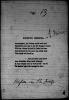
- Andromeda, by Perseus saved and wed,
- Hankered each day to see the Gorgon's head:
- Till o'er a fount he held it, bade her lean,
- And mirrored in the wave was safely seen
- That death she lived by.
- Let not thine eyes know
- Any forbidden thing itself, although
- It once should save as well as kill: but be
- Its shadow upon life enough for thee.
![Image of page [88]](http://www.rossettiarchive.org/img/thumbs_small/1-1870.penka.88.jpg)
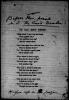
- ‘How should I your true love know
- From another one?’
- ‘By his cockle-hat and staff
- And his sandal-shoon.’
- ‘And what signs have told you now
- That he hastens home?’
- ‘Lo! the spring is nearly gone,
- He is nearly come.’
- ‘For a token is there nought,
- 10 Say, that he should bring?’
- ‘He will bear a ring I gave
- And another ring.’
- ‘How may I, when he shall ask,
- Tell him who lies there?’
- ‘Nay, but leave my face unveiled
- And unbound my hair.’
- ‘Can you say to me some word
- I shall say to him?’
- ‘Say I'm looking in his eyes
- 20 Though my eyes are dim.’
![Image of page [90]](http://www.rossettiarchive.org/img/thumbs_small/1-1870.penka.90.jpg)
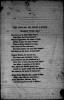
- Tell me now in what hidden way is
- Lady Flora the lovely Roman?
- Where's Hipparchia, and where is Thais,
- Neither of them the fairer woman?
- Where is Echo, beheld of no man,
- Only heard on river and mere,—
- She whose beauty was more than human? . . .
- But where are the snows of yester-year?
- Where's Héloise, the learned nun,
- 10 For whose sake Abeillard, I ween,
- Lost manhood and put priesthood on?
- (How dire, O Love, thy sway hath been!)
- And where, I pray you, is the Queen
- Who willed that Buridan should steer
- Sewed in a sack's mouth down the Seine? . . .
- But where are the snows of yester-year?
- White Queen Blanche, like a queen of lilies,
- With a voice like any mermaiden,—
- Bertha Broadfoot, Beatrice, Alice,
- 20 And Ermengarde the lady of Maine,—
- And that good Joan whom Englishmen
- At Rouen doomed and burned her there,—
- Mother of God, where are they then? . . .
- But where are the snows of yester-year?
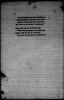
- Nay, never ask this week, fair lord,
- Where they are gone, nor yet this year,
- Except with this for an overword,—
- But where are the snows of yester-year?
- Death, of thee do I make my moan,
- Who hadst my lady away from me,
- Nor wilt assuage thine enmity
- Till with her life thou hast mine own;
- For since that hour my strength has flown.
- Lo! what wrong was her life to thee,
- Death?
- Two we were, and the heart was one;
- Which now being dead, dead I must be,
- 10 Or seem alive as lifelessly
- As in the choir the painted stone,
- Death!
![Image of page [96]](http://www.rossettiarchive.org/img/thumbs_small/1-1870.penka.96.jpg)
- John of Tours is back with peace,
- But he comes home ill at ease.
- ‘Good-morrow, mother.’ ‘Good-morrow, son;
- Your wife has borne you a little one.’
- ‘Go now, mother, go before,
- Make me a bed upon the floor;
- ‘Very low your foot must fall,
- That my wife hear not at all.’
- As it neared the midnight toll,
- 10John of Tours gave up his soul.
- ‘Tell me now, my mother, my dear,
- What's the singing that I hear?’
- ‘Daughter, it's the troops in rows
- Going round about our house.’
- ‘Tell me though, my mother, my dear,
- What's the knocking that I hear?’
- ‘Daughter, it's the carpenter
- Mending planks upon the stair.’
- ‘Well, but tell, my mother, my dear,
- 20What's the crying that I hear?’
- ‘Daughter, the children are awake,
- Crying with their teeth that ache.’
- ‘Nay, but say, my mother, my dear,
- Why do you stand weeping here?’
- ‘Oh! the truth must be said,—
- It's that John of Tours is dead.’
- ‘Mother , let the sexton know
- That the grave must be for two;
- ‘Aye, and still have room to spare,
- 30For you must lay the baby there.’
- Inside my father's close,
- (Fly away O my heart away! )
- Sweet apple-blossom blows
- So sweet.
- Three king's daughters fair,
- (Fly away O my heart away ; !)
- They lie below it there
- So sweet.
- ‘Ah!’ says the eldest one,
- 10 (Fly away O my heart away! )
- ‘I think the day's begun
- So sweet.’
- ‘Ah!’ says the second one,
- (Fly away O my heart away! )
- ‘Far off I hear the drum
- So sweet.’
- ‘Ah!’ says the youngest one,
- (Fly away O my heart away! )
- ‘It's my true love, my own,
- 20 So sweet.’
- ‘Oh! if he fight and win,’
- (Fly away O my heart away! )
- ‘I keep my love for him,
- So sweet:
- Oh! if he lose or win,
- He hath it still complete.’
- I.
- Like the sweet apple which reddens upon the topmost
- bough,
- A-top on the topmost twig,—which the pluckers forgot,
- somehow,—
- Forgot it not, nay, but got it not, for none could get it
- till now.
- II.
- Like the wild hyacinth flower which on the hills is found,
- Which the passing feet of the shepherds for ever tear and
- and wound,
- Until the purple blossom is trodden into the ground.
![Image of page [102]](http://www.rossettiarchive.org/img/thumbs_small/1-1870.penka.102.jpg)
![Image of page [103]](http://www.rossettiarchive.org/img/thumbs_small/1-1870.penka.103.jpg)
Songs and Sonnets
OF LIFE, LOVE, AND DEATH . :
SONNETS .
( Towards a Work to be called ‘The House of Life). ’
![Image of page [104]](http://www.rossettiarchive.org/img/thumbs_small/1-1870.penka.104.jpg)
I have paged them in a hurry to arrange them. The paging must continue from the other poems preceeding and recommence at 1.
Observe where the M.S.S. are marked to be inserted.
Blank pages had better be omitted throughout in the paging
DGR
- I sat with Love upon a woodside well,
- Leaning across the water, I and he;
- Nor ever did he speak nor looked at me,
- But touched his lute wherein was audible
- The certain secret thing he had to tell:
- Only our mirrored eyes met silently
- In the low wave; and that sound came to be
- The passionate voice I knew; and my tears fell.
- And at their fall, his eyes beneath grew hers;
- 10And with his foot and with his wing-feathers
- He swept the spring that watered my heart's drouth;
- Then the dark ripples spread to waving hair,
- And as I stooped, her own lips rising there
- Bubbled with brimming kisses at my mouth.
- And now Love sang: but his was such a song,
- So meshed with half-remembrance hard to free,
- As souls disused in death's sterility
- May sing when the new birthday tarries long : .
- And I was made aware of a dumb throng
- That stood aloof, one form by every tree,
- All mournful forms, for each was I or she,
- The shades of those our days that had no tongue.
- They looked on us, and knew us and were known;
- 10 While fast together, alive from the abyss,
- Clung the soul-wrung implacable close kiss;
- And pity of self through all made broken moan
- Which said, ‘For once, for once, for once alone!’
- And still Love sang, and what he sang was this:—
- ‘O ye, all ye that walk in Willowwood,
- That walk with hollow faces burning white;
- What fathom-depth of soul-struck widowhood,
- What long, what longer hours, one lifelong night,
- Ere ye again, who so in vain have wooed
- Your last hope lost, who so in vain invite
- Your lips to that their unforgotten food,
- Ere ye, ere ye again shall see the light!
- Alas! the bitter banks in Willowwood,
- 10 With tear-spurge wan, with blood-wort burning red:
- Alas! if ever such a pillow could
- Steep deep the soul in sleep till she were dead,—
- Better all life forget her than this thing,
- That Willowwood should hold her wandering!’
- So sang he: and as meeting rose and rose
- Together cling through the wind's wellaway
- Nor change at once, yet near the end of day
- The leaves drop loosened where the heart-stain glows,—
- So when the song died did the kiss unclose;
- And her face fell back drowned, and was as grey
- As its grey eyes; and if it ever may
- Meet mine again I know not if Love knows.
- Only I know that I leaned low and drank
- 10A long draught from the water where she sank,
- Her breath and all her tears and all her soul:
- And as I drank, I know I felt Love's face
- Pressed on my neck with moan of pity and grace,
- Till both our heads were in his aureole.
- O Thou who at Love's hour ecstatically
- Unto my lips dost evermore present
- The body and blood of Love in sacrament;
- Whom I have neared and felt thy breath to be
- The inmost incense of his sanctuary;
- Who without speech hast owned him, and intent
- Upon his will, thy life with mine hast blent,
- And murmured o'er the cup, Remember me!—
- O what from thee the grace, for me the prize,
- 10 And what to Love the glory,—when the whole
- Of the deep stair thou tread'st to the dim shoal
- And weary water of the place of sighs,
- And there dost work deliverance, as thine eyes
- Draw up my prisoned spirit to thy soul!
![Image of page [110]](http://www.rossettiarchive.org/img/thumbs_small/1-1870.penka.110.jpg)
- The mother will not turn, who thinks she hears
- Her nursling's speech first grow articulate;
- But breathless with averted eyes elate
- She sits, with open lips and open ears,
- That it may call her twice. 'Mid doubts and fears
- Thus oft my soul has hearkened; till the song,
- A central moan for days, at length found tongue,
- And the sweet music welled and the sweet tears.
- But now, whatever while the soul is fain
- 10 To list that wonted murmur, as it were
- The speech-bound sea-shell's low importunate strain;
- No breath of song,—thy voice alone is there,
- O bitterly beloved! And all her gain
- Is but the pang of unpermitted prayer.
![Image of page [112]](http://www.rossettiarchive.org/img/thumbs_small/1-1870.penka.112.jpg)
- ‘Thou Ghost,’ I said, ‘and is thy name To-day?—
- Yesterday's son, with such an abject brow!—
- And can To-morrow be more pale than thou?’
- While yet I spoke, the silence answered: ‘Yea,
- Henceforth our issue is all grieved and grey,
- And each beforehand makes such poor avow
- As of old leaves beneath the budding bough
- Or night-drift that the sundawn shreds away.’
- Then cried I: ‘Mother of many malisons,
- 10 O Earth, receive me to thy dusty bed!’
- But therewithal the tremulous silence said:
- ‘Lo! Love yet bids thy lady greet thee once:—
- Yea, twice,—whereby thy life is still the sun's;
- And thrice,—whereby the shadow of death is dead.’
![Image of page [114]](http://www.rossettiarchive.org/img/thumbs_small/1-1870.penka.114.jpg)
- When do I see thee most, beloved one?
- When in the light the spirits of mine eyes
- Before thy face, their altar, solemnize
- The worship of that Love through thee made known?
- Or when in the dusk hours, (we two alone,)
- Close-kissed and eloquent of still replies
- Thy twilight-hidden glimmering visage lies,
- And my soul only sees thy soul its own?
- O love, my love! when I no more may see
- 10Thyself, nor on the earth the shadow of thee,
- Nor image of thine eyes in any spring,—
- How then shall sound upon Life's darkening slope
- The ground-whirl of the perished leaves of Hope,
- The wind of Death's imperishable wing?
![Image of page [116]](http://www.rossettiarchive.org/img/thumbs_small/1-1870.penka.116.jpg)
- What smouldering senses in death's sick delay
- Or seizure of malign vicissitude
- Can rob this body of honour, or denude
- This soul of wedding-raiment worn to-day?
- For lo! even now my lady's lips did play
- With these my lips such consonant interlude
- As laurelled Orpheus longed for when he wooed
- The half-drawn hungering face with that last lay.
- I was a child beneath her touch,—a man
- 10 When breast to breast we clung, even I and she,—
- A spirit when her spirit looked through me,—
- A god when all our life-breath met to fan
- Our life-blood, till love's emulous ardours ran,
- Fire within fire, desire in deity.
![Image of page [118]](http://www.rossettiarchive.org/img/thumbs_small/1-1870.penka.118.jpg)
- ‘When that dead face, bowered in the furthest years,
- Which once was all the life years held for thee,
- Can now scarce bid the tides of memory
- Cast on thy soul a little spray of tears,—
- How canst thou gaze into these eyes of hers
- Whom now thy heart delights in, and not see
- Within each orb Love's philtred euphrasy
- Make them of buried troth remembrancers?’
- ‘Nay, pitiful Love, nay, loving Pity! Well
- 10 Thou knowest that in these twain I have confess'd
- Two very voices of thy summoning bell.
- Nay, Master, shall not Death make manifest
- In these the culminant changes which approve
- The love-moon that must light my soul to Love?’
![Image of page [120]](http://www.rossettiarchive.org/img/thumbs_small/1-1870.penka.120.jpg)
- Each hour until we meet is as a bird
- That wings from far his gradual way along
- The rustling covert of my soul,—his song
- Still loudlier trilled through leaves more deeply stirr'd:
- But at the hour of meeting, a clear word
- Is every note he sings, in Love's own tongue;
- Yet, Love, thou know'st the sweet strain suffers wrong,
- Through our contending kisses oft unheard.
- What of that hour at last, when for her sake
- 10 No wing may fly to me nor song may flow;
- When, wandering round my life unleaved, I know
- The bloodied feathers scattered in the brake,
- And think how she, far from me, with like eyes
- Sees through the untuneful bough the wingless skies?
![Image of page [122]](http://www.rossettiarchive.org/img/thumbs_small/1-1870.penka.122.jpg)
- Have you not noted, in some family
- Where two were born of a first marriage-bed,
- How still they own their fragrant bond, though fed
- And nursed on the forgotten breast and knee?—
- How to their father's children they shall be
- In act and thought of one goodwill; but each
- Shall for the other have, in silence speech,
- And in a word complete community?
- Even so, when first I saw you, seemed it, love,
- 10 That among souls allied to mine was yet
- One nearer kindred than birth hinted of.
- O born with me somewhere that men forget,
- And though in years of sight and sound unmet,
- Known for my life's own sister well enough!
![Image of page [124]](http://www.rossettiarchive.org/img/thumbs_small/1-1870.penka.124.jpg)
- As when desire, long darkling, dawns, and first
- The mother looks upon the newborn child,
- Even so my lady stood at gaze and smiled
- When her soul knew at length the Love it nursed.
- Born with her life, creature of poignant thirst
- And exquisite hunger, at her heart Love lay
- Quickening in darkness, till a voice that day
- Cried on him, and the bonds of birth were burst.
- Now, shielded in his wings, our faces yearn
- 10 Together, as his fullgrown feet now range
- The grove, and his warm hands our couch prepare:
- Till to his song our bodiless souls in turn
- Be born his children, when Death's nuptial change
- Leaves us for light the halo of his hair.
![Image of page [126]](http://www.rossettiarchive.org/img/thumbs_small/1-1870.penka.126.jpg)
- Some ladies love the jewels in Love's zone,
- And gold-tipped darts he hath for painless play
- In idle scornful hours he flings away;
- And some that listen to his lute's soft tone
- Do love to deem the silver praise their own;
- Some prize his blindfold sight; and there be they
- Who kissed his wings which brought him yesterday
- And thank his wings to-day that he is flown.
- My lady only loves the heart of Love:
- 10 Therefore Love's heart, my lady, hath for thee
- His bower of unimagined flower and tree:
- There kneels he now, and all-anhungered of
- Thine eyes grey-lit in shadowing hair above,
- Seals with thy mouth his immortality.
![Image of page [128]](http://www.rossettiarchive.org/img/thumbs_small/1-1870.penka.128.jpg)
- Because our talk was of the cloud-control
- And moon-track of the journeying face of Fate,
- Her kisses faltered at their ivory rose-bower gate
- And her eyes dreamed towards against a distant goal:
- But soon, remembering her how brief the whole
- Of joy, which its own hours annihilate,
- Her set gaze gathered, thirstier than of late,
- And as she kissed, her mouth became her soul.
- Thence in what ways we wandered, and how strove
- 10 To build with fire-tried vows the piteous home
- Which memory haunts and whither sleep may roam,—
- They only know for whom the roof of Love
- Is the still-seated secret of the grove,
- Nor spire may rise nor bell be heard therefrom.
![Image of page [130]](http://www.rossettiarchive.org/img/thumbs_small/1-1870.penka.130.jpg)
- Girt in dark growths, yet glimmering with one star,
- O night desirous as the nights of youth!
- Why should my heart within thy spell, forsooth,
- Now beat, as the bride's finger-pulses are
- Quickened within the girdling golden bar?
- What wings are these that fan my pillow smooth?
- And why does Sleep, waved back by Joy and Ruth,
- Tread softly round and gaze at me from far?
- Nay, night! Would vain Love counterfeit in thee
- 10 Some shadowy palpitating grove that bears
- Rest for man's eyes and music for his ears?
- O lonely night! art thou not known to me,
- A thicket hung with masks of mockery
- And watered with the wasteful warmth of tears?
![Image of page [132]](http://www.rossettiarchive.org/img/thumbs_small/1-1870.penka.132.jpg)
- There came an image in Life's retinue
- That had Love's wings and bore his gonfalon:
- Fair was the web, and nobly wrought thereon,
- O soul-sequestered face, thy form and hue!
- Bewildering sounds, such as Spring wakens to,
- Shook in its folds; and through my heart its power
- Sped trackless as the immemorable hour
- When birth's dark portal groaned and all was new.
- But a veiled woman followed, and she caught
- 10 The banner round its staff, to furl and cling,—
- Then plucked a feather from the bearer's wing,
- And held it to his lips that stirred it not,
- And said to me, ‘Behold, there is no breath:
- I and this Love are one, and I am Death.’
![Image of page [134]](http://www.rossettiarchive.org/img/thumbs_small/1-1870.penka.134.jpg)
- Look in my face; my name is Might-have-been;
- I am also called No-more, Too-late, Farewell:
- Unto thine ear I hold the dead-sea shell
- Cast up thy Life's foam-fretted feet between;
- Unto thine eyes the glass where that is seen
- Which had Life's form and Love's, but by my spell
- Is now a shaken shadow intolerable,
- Of ultimate things unuttered the frail screen.
- Mark me, how still I am! But should there dart
- 10 One moment through thy soul the soft surprise
- Of that winged Peace which lulls the breath of sighs ,—
- Then shalt thou see me smile, and turn apart
- Thy visage to mine ambush at thy heart
- Sleepless with cold commemorative eyes.
![Image of page [136]](http://www.rossettiarchive.org/img/thumbs_small/1-1870.penka.136.jpg)
- As two whose love, first foolish, widening scope,
- Knows suddenly, with music high and soft,
- The Holy of holies; who because they scoff'd
- Are now amazed with shame, nor dare to cope
- With the whole truth in words, lest heaven should ope;
- Yet, at their meetings, laugh not as they laugh'd
- In speech; nor speak, at length; but sitting oft
- Together, within hopeless sight of hope
- For hours are silent:—So it happeneth
- 10 When Work and Will awake too late, to gaze
- After their life sailed by, and hold their breath.
- Ah! who shall dare to search through what sad maze
- Thenceforth their incommunicable ways
- Follow the desultory feet of Death?
![Image of page [140]](http://www.rossettiarchive.org/img/thumbs_small/1-1870.penka.140.jpg)
- The changing guests, each in a different mood,
- Sit at the roadside table and arise:
- And every life among them in likewise
- Is a soul's board set daily with new food.
- What man has bent o'er his son's sleep, to brood
- How that face shall watch his when cold it lies?—
- Or thought, as his own mother kissed his eyes,
- Of what her kiss was when his father wooed?
- May not this ancient room thou sit'st in dwell
- 10 In separate living souls for joy or pain?
- Nay, all its corners may be painted plain
- Where Heaven shows pictures of some life spent well;
- And may be stamped, a memory all in vain,
- Upon the sight of lidless eyes in Hell.
![Image of page [142]](http://www.rossettiarchive.org/img/thumbs_small/1-1870.penka.142.jpg)
- Was that the landmark? What,—the foolish well
- Whose wave, low down, I did not stoop to drink,
- But sat and flung the pebbles from its brink
- In sport to send its imaged skies pell-mell,
- (And mine own image, had I noted well!)—
- Was that my point of turning?—I had thought
- The stations of my course should loom unsought,
- As altar-stone or ensigned citadel.
- But lo! the path is missed, I must go back,
- 10 And thirst to drink when next I reach the spring
- Which once I stained, which since may have grown black.
- Yet though no light be left nor bird now sing
- As here I turn, I'll thank God, hastening,
- That the same goal is still on the same track.
![Image of page [144]](http://www.rossettiarchive.org/img/thumbs_small/1-1870.penka.144.jpg)
- The gloom that breathes upon me with these airs
- Is like the drops which strike the traveller's brow
- Who knows not, darkling, if they bring him now
- Fresh storm, or be old rain the covert bears.
- Ah! bodes this hour some harvest of new tares,
- Or hath but memory of the day whose plough
- Sowed hunger once,—the night at length when thou,
- O prayer found vain, didst fall from out my prayers?
- How prickly were the growths which yet how smooth,
- 10 Along the hedgerows of this journey shed,
- Lie by Time's grace till night and sleep may soothe!
- Even as the thistledown from pathsides dead
- Gleaned by a girl in autumns of her youth,
- Which one new year makes soft her marriage-bed.
![Image of page [146]](http://www.rossettiarchive.org/img/thumbs_small/1-1870.penka.146.jpg)
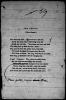
- Eat thou and drink; to -morrow thou shalt die.
- Surely the earth, that's wise being very old,
- Needs not our help. Then loose me, love, and hold
- Thy sultry hair up from my face; that I
- May pour for thee this yellow wine, brim-high,
- Till round the glass thy fingers glow like gold.
- We'll hear no hours: thy song, while hours are toll'd,
- Shall leap, as fountains veil the changing sky.
- A jest! Conceive! Why, there are really those,
- 10 My own high-bosomed lady, who increase
- Care, gold, and cure, Vain gold, vain love lore, in reach of our true wealth!
- Eleven long days they toil: upon the twelfth
- They die not,—never having lived,—but cease;
- And round their narrow lips the mould falls close.
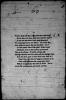
- Watch thou and fear; to -morrow thou shalt die.
- Or art thou sure thou shalt have time for death?
- Is not the day which God's word promiseth
- To come man knows not when? In yonder sky,
- Now while we speak, the sun sets forth: Can I
- Or thou assure him of his goal? God's breath
- Perchance even at this moment quickeneth
- The air to a flame; till spirits, always nigh
- Though screened and hid, shall walk the daylight here.
- 10 And dost thou prate of that which man shall do?
- Canst thou, who hast but plagues, presume to be
- Glad in his gladness that comes after thee?
- Will his strength slay thy worm in Hell? Go to:
- Cover thy countenance, and watch, and fear.
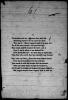
- Think thou and act; to -morrow thou shalt die.
- Stretching thyself i' the sun upon the shore,
- Thou say'st: ‘Man's measured path is all gone o'er:
- Up all his years, steeply, with pant and sigh,
- Man clomb until he touched the truth; and I,
- Even I, am he whom it was destined for.’
- How should this be? Art thou then so much more
- Than they who sowed, that thou should 'st reap thereby?
- Nay, come up hither. From this wave-washed mound
- 10 Unto the horizon-brim look thou with me;
- Then reach on with thy thought till it be drown'd.
- Miles and miles distant though the horizon be,
- And though thy thought sail leagues and leagues beyond,—
- Still, leagues beyond those leagues, there is more sea.
![Image of page [150]](http://www.rossettiarchive.org/img/thumbs_small/1-1870.penka.150.jpg)
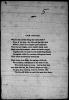
- What is the sorriest thing that enters Hell?
- None of the sins,—but this and that fair deed
- Which a soul's sin at length could supersede.
- These yet are virgins, whom death's timely knell
- Might once have sainted; whom the fiends compel
- Together now, in snake-bound shuddering sheaves
- Of anguish, while the scorching bridegroom leaves
- Their refuse maidenhood abominable.
- Night sucks them down, the garbage of the pit,
- 10 Whose names, half entered in the book of Life,
- Were God's desire at noon. And as their hair
- And eyes sink last, the Torturer deigns no whit
- To gaze, but, yearning, waits his worthier wife,
- The Sin still blithe on earth that sent them there.
![Image of page [152]](http://www.rossettiarchive.org/img/thumbs_small/1-1870.penka.152.jpg)
- The lost days of my life until to-day,
- What were they, could I see them on the street
- Lie as they fell? Would they be ears of wheat
- Sown once for food but trodden into clay?
- Or golden coins squandered and still to pay?
- Or drops of blood dabbling the guilty feet?
- Or such spilt water as in dreams must cheat
- The throats of men in Hell, who thirst alway?
- I do not see them here; but after death
- 10 God knows I know the faces I shall see,
- Each one a murdered self, with low last breath.
- ‘I am thyself,—what hast thou done to me?’
- ‘And I—and I—thyself,’ (lo! each one saith,)
- ‘And thou thyself to all eternity!’
![Image of page [154]](http://www.rossettiarchive.org/img/thumbs_small/1-1870.penka.154.jpg)
- Beholding youth and hope in mockery caught
- From life; and mocking pulses that remain
- When the soul's death of bodily death is fain;
- Honour unknown, and honour known unsought;
- And penury's sedulous self-torturing thought
- On gold, whose master therewith buys his bane;
- And longed-for woman longing all in vain
- For lonely man with love's desire distraught;
- And wealth, and strength, and power, and pleasantness,
- 10 Given unto bodies of whose souls men say,
- None poor and weak, slavish and foul, as they:—
- Beholding these things, I behold no less
- The blushing morn and blushing eve confess
- The shame that loads the intolerable day.
![Image of page [156]](http://www.rossettiarchive.org/img/thumbs_small/1-1870.penka.156.jpg)
- Get thee behind me. Even as, heavy-curled,
- Stooping against the wind, a charioteer
- Is caught from out his chariot by the hair,
- So shall Time be; and as the void car, hurled
- Abroad by reinless steeds, even so the world:
- Yea, even as chariot-dust upon the air,
- It shall be sought and not found anywhere.
- Get thee behind me, Satan. Oft unfurled,
- Thy perilous wings can beat and break like lath
- 10 Much mightiness of men to win thee praise.
- Leave these weak feet to tread in narrow ways.
- Thou still, upon the broad vine-sheltered path,
- May 'st wait the turning of the phials of wrath
- Many years, many months, and many days.
-
Added TextFor certain years, for certain months & days.
![Image of page [158]](http://www.rossettiarchive.org/img/thumbs_small/1-1870.penka.158.jpg)
- Around the vase of Life at your slow pace
- He has not crept, but turned it with his hands,
- And all its sides already understands.
- There, girt, one breathes alert for some great race;
- Whose road runs far by sands and fruitful space;
- Who laughs, yet through the jolly throng has pass'd;
- Who weeps, nor stays for weeping; who at last,
- A youth, stands somewhere crowned, with silent face.
- And he has filled this vase with wine for blood,
- 10 With blood for tears, with spice for burning vow,
- With watered flowers for buried love most fit;
- And would have cast it shattered to the flood,
- Yet in Fate's name has kept it whole; which now
- Stands empty till his ashes fall in it.
![Image of page [160]](http://www.rossettiarchive.org/img/thumbs_small/1-1870.penka.160.jpg)
- As when two men have loved a woman well,
- Each hating each, through Love's and Death's deceit;
- Since not for either this strait marriage-sheet
- And the long pauses of this wedding-bell;
- Yet o'er her grave the night and day dispel
- At last their feud forlorn, with cold and heat;
- Nor other than dear friends to death may fleet
- The two lives left that most of her can tell:—
- So separate hopes, which in a soul had wooed
- 10 The one same Peace, strove with each other long,
- And Peace before their faces perished since:
- So through that soul, in restless brotherhood,
- They roam together now, and wind among
- Its bye-streets, knocking at the dusty inns.
![Image of page [162]](http://www.rossettiarchive.org/img/thumbs_small/1-1870.penka.162.jpg)
- To-day Death seems to me an infant child
- Which her worn mother Life upon my knee
- Has set to grow my friend and play with me;
- If haply so my heart might be beguil'd
- To find no terrors in a face so mild,—
- If haply so my weary heart might be
- Unto the newborn milky eyes of thee,
- O Death, before resentment reconcil'd.
- How long, O Death? And shall thy feet depart
- 10 Still a young child's with mine, or wilt thou stand
- Fullgrown the helpful daughter of my heart,
- What time with thee indeed I reach the strand
- Of the pale wave which knows thee what thou art,
- And drink it in the hollow of thy hand?
- And thou, O Life, the lady of all bliss,
- With whom, when our first heart beat full and fast,
- I wandered till the haunts of men were pass'd,
- And in fair places found all bowers amiss
- Till only woods and waves might hear our kiss,
- While to the winds all thought of Death we cast:—
- Ah! Life, and must I have from thee at last
- No smile to greet me and no babe but this?
- Lo! Love, the child once ours; and Song, whose hair
- 10Blew like a flame and blossomed like a wreath;
- And Art, whose eyes were worlds by God found fair;
- These o'er the book of Nature mixed their breath
- With neck-twined arms, as oft we watched them there:
- And did these die that thou might 'st bear me Death?
![Image of page [166]](http://www.rossettiarchive.org/img/thumbs_small/1-1870.penka.166.jpg)
- Mother, is this the darkness of the end,
- The Shadow of Death? and is that outer sea
- Infinite imminent Eternity?
- And does the death-pang by man's seed sustain'd
- In Time's each instant cause thy face to bend
- Its silent prayer upon the Son, while he
- Blesses the dead with his hand silently
- To his long day which hours no more offend?
- Mother of grace, the pass is difficult,
- 10 Keen as these rocks, and the bewildered souls
- Throng it like echoes, blindly shuddering through.
- Thy name, O Lord, each spirit's voice extols,
- Whose peace abides in the dark avenue
- Amid the bitterness of things occult.
![Image of page [168]](http://www.rossettiarchive.org/img/thumbs_small/1-1870.penka.168.jpg)
- Water, for anguish of the solstice:—nay,
- But dip the vessel slowly,—nay, but lean
- And mark how at its verge the wave sighs in
- Reluctant. Hush! Beyond all depth away
- The heat lies silent at the brink of day:
- Now trails the hand upon the viol-string
- That sobs, and the brown faces cease to sing,
- Sad with the whole of pleasure. Her eyes stray
- In sunset; from her mouth the pipe doth creep
- 10 And leaves it pouting; shadowed here, the grass
- Is cool against her naked side. Let be:—
- Do not now speak unto her, lest she weep,
- Nor name this ever. Be it as it was,—
- Life touching lips with Immortality.
![Image of page [170]](http://www.rossettiarchive.org/img/thumbs_small/1-1870.penka.170.jpg)
- Scarcely, I think; yet it indeed may be
- The meaning reached him, when this music rang
- Clear through his frame, a sweet possessive pang,
- And he beheld these rocks and that ridged sea.
- But I believe that, leaning tow a 'rds them, he
- Just felt their hair carried across his face
- As each nymph girl passed him; nor gave ear to trace
- How many feet; nor bent assuredly
- His eyes from the blind fixedness of thought
- 10 To know the dancers. It is bitter glad
- Even unto tears. Its meaning filleth it,
- A secret of the wells of Life: to wit:—
- The heart's each pulse shall keep the sense it had
- With all, tho' though the mind's labour run to nought.
![Image of page [172]](http://www.rossettiarchive.org/img/thumbs_small/1-1870.penka.172.jpg)
- A remote sky, prolonged to the sea's brim:
- One rock-point standing buffeted alone,
- Vexed at its base d with a foul beast unknown,
- Hell-spurge of geomaunt and teraphim:
- A knight, and a winged creature bearing him,
- Reared at the rock: a woman fettered there,
- Leaning into the hollow with loose hair
- And throat let back and heartsick trail of limb.
- The sky is harsh, and the sea shrewd and salt:
- 10 Under his lord the griffin-horse ramps blind
- With rigid wings and tail. The spear's lithe stem
- Thrills in the roaring of those jaws: behind,
- That evil length of body chafes at fault.
- She doth not hear nor see—she knows of them.
- Clench thine eyes now,—'tis the last instant, girl:
- Draw in thy senses, set thy knees, and take
- One breath for all: thy life is keen awake,—
- Thou may 'st not swoon. Was that the scattered whirl
- Of its foam drenched thee?—or the waves that curl
- And split, bleak spray wherein thy temples ache?
- Or was it his the champion's blood to flake
- Thy flesh?—or thine own blood's anointing, girl?
- Now, silence: for the sea's is such a sound
- 10 As irks not silence; and except the sea,
- All now is still. Now the dead thing doth cease
- To writhe, and drifts. He turns to her: and she,
- Cast from the jaws of Death, remains there, bound,
- Again a woman in her nakedness.
- This is that blessed Mary, pre-elect
- God's Virgin. Gone is a great while, and she
- Dwelt young in Nazareth of Galilee.
- Her kin she cherished with Unto God's will she brought devout respect ; ,
- Her gifts were simpleness Profound simplicity of intellect ,
- And supreme patience. From her mother's knee
- Faithful and hopeful; wise in charity;
- Strong in grave peace; in pity circumspect.
- So held she through her girlhood; as it were
- 10 An angel-watered lily, that near God
- Grows and is quiet. Till, one dawn at home,
- She woke in her white bed, and had no fear
- At all,—yet wept till sunshine, and felt awed:
- Because the fulness of the time was come.
![Image of page [176]](http://www.rossettiarchive.org/img/thumbs_small/1-1870.penka.176.jpg)
- She hath the apple in her hand for thee,
- Yet almost in her heart would hold it back;
- She muses, with her eyes upon the track
- Of that which in thy spirit they can see.
- Haply, ‘Behold, he is at peace,’ saith she;
- ‘Alas! the apple for his lips,—the dart
- That follows its brief sweetness to his heart,—
- The wandering of his feet perpetually!’
- A little space her glance is still and coy;
- 10 But if she give the fruit that works her spell,
- Those eyes shall flame as for her Phrygian boy.
- Then shall her bird's strained throat the woe foretell,
- And her far seas moan as a single shell,
- And through her dark grove strike the light of Troy.
![Image of page [178]](http://www.rossettiarchive.org/img/thumbs_small/1-1870.penka.178.jpg)
- Of Adam's first wife, Lilith, it is told
- (The witch he loved before the gift of Eve,)
- That, ere the snake's, her sweet tongue could deceive,
- And her enchanted hair was the first gold.
- And still she sits, young while the earth is old,
- And, subtly of herself contemplative,
- Draws men to watch the bright net she can weave,
- Till heart and body and life are in its hold.
- Rose, foxglove, poppy Roses & poppiesThe rose & poppy are her flowers; for where
- 10 Is he not found, O Lilith, whom shed scent
- And soft-shed fingers kisses and soft sleep shall snare?
- Lo! as that youth's eyes burned at thine, so went
- Thy spell through him, and left his straight neck bent,
- And round his heart one strangling golden hair.
![Image of page [180]](http://www.rossettiarchive.org/img/thumbs_small/1-1870.penka.180.jpg)
- Under the arch of l Life, where love and death,
- Terror and mystery, guard her shrine, I saw
- Beauty enthroned; and though her gaze struck awe,
- I drew it in as simply as my breath.
- Hers are the eyes which, over and beneath,
- The sky and sea bend on thee,—which can draw,
- By sea or sky or woman, to one law,
- The allotted bondman of her palm and wreath.
- This is that Lady Beauty, in whose praise
- 10 Thy voice and hand shake still,—long known to thee
- By flying hair and fluttering hem,—the beat
- Following her daily of thy heart and feet,
- How passionately and ir retrievably,
- In what fond flight, how many ways and days!
![Image of page [182]](http://www.rossettiarchive.org/img/thumbs_small/1-1870.penka.182.jpg)
- What of the end, Pandora? Was it thine,
- The deed that set these fiery pinions free?
- Ah! wherefore did the Olympian consistory
- In its own likeness make thee half divine?
- Was it that Juno's brow might stand a sign
- For ever? and the mien of Pallas be
- A deadly thing? and that all men might see
- In Venus' eyes the gaze of Proserpine?
- What of the end? These beat their wings at will,
- 10The ill-born things, the good things turned to ill,—
- Powers of the impassioned hours prohibited.
- Aye, hug the casket now! Whither they go
- Thou may 'st not dare to think: nor canst thou know
- If Hope still pent there be alive or dead.
![Image of page [184]](http://www.rossettiarchive.org/img/thumbs_small/1-1870.penka.184.jpg)
- She fluted with her mouth as when one sips,
- And gently waved her golden head, brave head and kind inclin'd,
- Outside his cage, close to the window-blind;
- Till her fond bird, with little turns and dips,
- Piped low to her of sweet companionships.
- And when he stopped, she took some seed, I vow,
- And fed him from her rosy tongue, which now
- Peeped as a piercing bud between her lips.
- And like a child in Chaucer, on whose tongue
- 10 The Blessed Mary laid, when he was dead,
- A grain,—who straightway praised her name in song:
- Even so, when she, a little lightly red,
- Now turned on me and laughed, I felt made strong heard the throng
- To honour and to Of inner voices praise her golden head.
![Image of page [186]](http://www.rossettiarchive.org/img/thumbs_small/1-1870.penka.186.jpg)
- This feast-day of the sun, his altar there
- In the broad west has blazed for vesper-song;
- And I have loitered in the vale too long
- And gaze now a belated worshipper.
- Yet may I not forget that I was 'ware,
- So journeying, of his face at intervals, —
-
Saw where the land to the horizon falls
Added TextTransfigured, where the [?] fringed horizon falls,—
- Some A fiery bush with coruscating hair.
- And now that I have climbed and tread this height,
- 10 I may lie down where all the slope is shade,
- And cover up my face and have till night
- With silence darkness; or may here be stayed
- And see the gold air and the silver fade
- And the last bird fly into the last light.
![Image of page [188]](http://www.rossettiarchive.org/img/thumbs_small/1-1870.penka.188.jpg)
- As he that loves oft looks on the dear form
- And guesses how it grew to womanhood,
- And gladly would have watched the beauties bud
- And the mild fire of precious life wax warm:—
- So I, long bound within the threefold charm
- Of Dante's love sublimed to H heavenly mood,
- Had marvelled, touching his Beatitude,
- How grew such presence from man's shameful swarm.
- At length within this book I found pourtrayed
- 10 Newborn that Paradisal Love of his,
- And simple like a child; with whose clear aid
- I understood. To such a child as this,
- Christ, charging well his chosen ones, forbade
- Offence: ‘for lo! of such my kingdom is.’
![Image of page [190]](http://www.rossettiarchive.org/img/thumbs_small/1-1870.penka.190.jpg)
- This tree, here fall'n, no common birth or death
- Shared with its kind. The world's enfranchised son,
- Who found the trees of Life and Knowledge one,
- Here set it, frailer than his laurel-wreath.
- Shall not the wretch whose hand it fell beneath
- Rank also singly—the supreme unhung?
- Lo! murdered Turpin pleading, with black tongue,
- This viler thief's unsuffocated breath!
- We'll search thy glossary, Shakspeare! whence almost,
- 10 And whence alone, some name shall be reveal'd
- For this deaf drudge, to whom no length of ears
- Sufficed to catch the music of the spheres;
- Whose soul is carrion now,—too mean to yield
- Some tailor's ninth allotment of a ghost.
![Image of page [192]](http://www.rossettiarchive.org/img/thumbs_small/1-1870.penka.192.jpg)
- Not that the earth is changing, O my God!
- Nor that the seasons totter in their walk,—
- Not that the virulent strife ill of act and talk
- Seethes ever as a winepress ever trod,—
- Not therefore are we certain that the rod
- Weighs in thine hand to smite the world; though now
- Beneath thine hand so many nations bow,
- So many kings:—not therefore, O my God!—
- But because Man is parcelled out in men
- 10 Even thus; because, for any wrongful blow,
- No man not stricken asks, ‘I would be told
- Why thou dost strike;’ but his heart whispers then,
- ‘He is he, I am I.’ By this we know
- That the earth falls asunder, being old.
![Image of page [194]](http://www.rossettiarchive.org/img/thumbs_small/1-1870.penka.194.jpg)
![Image of page [197]](http://www.rossettiarchive.org/img/thumbs_small/1-1870.penka.197.jpg)
![Image of page [198]](http://www.rossettiarchive.org/img/thumbs_small/1-1870.penka.198.jpg)
- ‘Rivolsimi in quel lato
- Là 'nde venia la voce,
- E parvemi una luce
- Che lucea quanto stella:
- La mia mente era quella.’
Florence, there were already painters in Lucca, and Pisa,
and Arezzo, who feared God and loved the art. The
workmen from Greece, whose trade it was to sell their own
works in Italy and teach Italians to imitate them, had
already found in rivals of the soil a skill that could forestall
their lessons and cheapen their crucifixes and addolorate,
more years than is supposed before the art came at all into
Florence. The pre-eminence to which Cimabue was raised
at once by his contemporaries, and which he still retains to
a wide extent even in the modern mind, is to be accounted
for, partly by the circumstances under which he arose, and
partly by that extraordinary purpose of fortune born with the
lives of some few, and through which it is not a little thing
for any who went before, if they are even remembered as
the shadows of the coming of such an one, and the voices
which prepared his way in the wilderness. It is thus, almost
known. They have left little, and but little heed is taken of
that which men hold to have been surpassed; it is gone like
time gone—a track of dust and dead leaves that merely led
to the fountain.
stances, some signs of a better understanding have become
manifest. A case in point is that of the tr y ipt i ych and two
cruciform pictures at Dresden, by Chiaro di Messer Bello
dell' Erma, to which the eloquent pamphlet of Dr. Aemmster
has at length succeeded in attracting the students. There
is another still more solemn and beautiful work, now proved
to be by the same hand, in the gallery at Florence. It is
the one to which my narrative will relate.
able family in Arezzo; where conceiving art almost, as it
were, for himself, and loving it deeply, he endeavoured from
early boyhood towards the imitation of any objects offered
in nature. The extreme longing after a visible embodiment
of his thoughts strengthened as his years increased, more
even than his sinews or the blood of his life; until he would
feel faint in sunsets and at the sight of stately persons.
When he had lived nineteen years, he heard of the famous
Giunta Pisano; and, feeling much of admiration, with, per-
haps, a little of that envy which youth always feels until it
has learned to measure success by time and opportunity, he
determined that he would seek out Giunta, and, if possible,
become his pupil.
apparel, being unwilling that any other thing than the desire
he had for knowledge should be his plea with the great
painter; and then, leaving his baggage at a house of enter-
tainment, he took his way along the street, asking whom he
met for the lodging of Giunta. It soon chanced that one of
that city, conceiving him to be a stranger and poor, took
him into his house and refreshed him; afterwards directing
him on his way.
merely that he was a student, and that nothing in the world
was so much at his heart as to become that which he had
heard told of him with whom he was speaking. He was
received with courtesy and consideration, and shown into
the study of the famous artist. But the forms he saw there
were lifeless and incomplete; and a sudden exultation
possessed him as he said within himself, ‘I am the master
of this man.’ The blood came at first into his face, but the
next moment he was quite pale and fell to trembling. He
was able, however to conceal his emotion; speaking very
little to Giunta, but when he took his leave, thanking him
respectfully.
out thoroughly some of his thoughts, and let the world
know him. But the lesson which he had now learned, of
how small a greatness might win fame, and how little there
was to strive against, served to make him torpid, and ren-
dered his exertions less continual. Also Pisa was a larger
and more luxurious city than Arezzo; and when, in his walks, he saw the great gardens laid out for pleasure, and
the beautiful women who passed to and fro, and heard the
music that was in the groves of the city at evening, he was
taken with wonder that he had never claimed his share of
the inheritance of those years in which his youth was cast.
And women loved Chiaro; for, in despite of the burthen of
study, he was well-favoured and very manly in his walking;
and, seeing his face in front, there was a glory upon it, as
upon the face of one who feels a light round his hair.
But, one night, being in a certain company of ladies, a
gentleman that was there with him began to speak of the
paintings of a youth named Bonaventura, which he had seen
in Lucca; adding that Giunta Pisano might now look for a
rival. When Chiaro heard this, the lamps shook before
him, and the music beat in his ears. He rose up, alleging
a sudden sickness, and went out of that house with his teeth
set. And, being again within his room, he wrote up over
the door the name of Bonaventura, that it might stop him
when he would go out.
but remaining in Pisa, that no day more might be lost, only
living entirely to himself. Sometimes, after nightfall, he
would walk abroad in the most solitary places he could find;
hardly feeling the ground under him, because of the thoughts
of the day which held him in fever.
looked upon gardens fast by the Church of San Rocco. It
was here, and at this time, that he painted the Dresden pictures; as also, in all likelihood, the one—inferior in
merit, but certainly his—which is now at Munich. For the
most part he was calm and regular in his manner of study;
though often he would remain at work through the whole of
a day, not resting once so long as the light lasted; flushed,
and with the hair from his face. Or, at times, when he
could not paint, he would sit for hours in thought of all the
greatness the world had known from of old; until he was
weak with yearning, like one who gazes upon a path of
stars.
years, at the end of which his name was spoken throughout
all Tuscany. As his fame waxed, he began to be employed,
besides easel-pictures, upon paintings in fresco wall-paintings; but I
believe that no traces remain to us of any of these latter.
He is said to have painted in the Duomo; and D'Agincourt
mentions having seen some portions of a fresco picture by him
which originally had its place above the high altar in the
Church of the Certosa; but which, at the time he saw it,
being very dilapidated, had been hewn out of the wall, and
was preserved in the stores of the convent. Before the
period of Dr. Aemmster's researches, however, it had been
entirely destroyed.
that he had girded up his loins; and he had not paused
until fame was reached; yet now, in taking breath, he found
that the weight was still at his heart. The years of his
labour had fallen from him, and his life was still in its first
painful desire.
and even before, with the studies of his early youth, there
had always been a feeling of worship and service. It was
the peace-offering that he made to God and to his own soul
for the eager selfishness of his aim. There was earth, indeed,
upon the hem of his raiment; but this was of the heaven,
heavenly. He had seasons when he could endure to think
of no other feature of his hope than this , and s . Sometimes , in
the ecstasy of prayer it had even seemed to him to behold
that day when his mistress—his mystical lady (now hardly
in her ninth year, but whose solemn smile at meeting had
already lighted on his soul ,) like the dove of the Trinity)—
even she, his own gracious and holy Italian art— with her
virginal bosom, and her unfathomable eyes, and the thread
of sunlight round her brows—should pass, through the sun
that never sets, into the circle of the shadow of the tree of
life, and be seen of God, and found good: and then it had
seemed to him, that he, with many who, since his coming,
had joined the band of whom he was one (for, in his dream,
the body he had worn on earth had been dead an hundred
years), were permitted to gather round the blessed maiden,
and to worship with her through all ages and ages of ages,
saying, Holy, holy, holy. This thing he had seen with the
eyes of his spirit; and in this thing had trusted, believing
that it would surely come to pass.
himself,) even as, in the pursuit of fame, the unrest abiding
after attainment had proved to him that he had misinterpreted
the craving of his own spirit—so also, now that he would willingly have fallen back on devotion, he became aware
that much of that reverence which he had mistaken for faith
had been no more than the worship of beauty. Therefore,
after certain days passed in perplexity, Chiaro said within
himself, ‘My life and my will are yet before me: I will
take another aim to my life.’
put his hand to no other works but only to such as had for
their end the presentment of some moral greatness that
should impress influence the beholder: and to this end, he multiplied
abstractions, and forgot the beauty and passion of the world.
So the people ceased to throng about his pictures as hereto-
fore; and, when they were carried through town and town
to their destination, they were no longer delayed by the
crowds eager to gaze and admire; and no prayers or offer-
ings were brought to them on their path, as to his Madonnas,
and his Saints, and his Holy Children, wrought for the sake
of the life he saw in the faces that he loved. Only the critical
audience remained to him; and these, in default of more
worthy matter, would have turned their scrutiny on a puppet
or a mantle. Meanwhile, he had no more of fever upon
him; but was calm and pale each day in all that he did and
in his goings in and out. The works he produced at this
time have perished—in all likelihood, not unjustly. It is
said (and we may easily believe it), that, though more
laboured than his former pictures, they were cold and unem-
phatic; bearing marked out upon them , as they must
certainly have done, the measure of that boundary to which
they were made to conform.
held in his breath, never resting (for he was afraid), and
would not know it.
great feast in Pisa, for holy matters: and each man left his
occupation; and all the guilds and companies of the city
were got together for games and rejoicings. And there were
scarcely any that stayed in the houses, except ladies who
lay or sat along their balconies between open windows which
let the breeze beat through the rooms and over the spread
tables from end to end. And the golden cloths that their
arms lay upon drew all eyes upward to see their beauty;
and the day was long; and every hour of the day was bright
with the sun.
hot pavement of the Piazza Nunziata, and saw the hurry of
people that passed him, got up and went along with them;
and Chiaro waited for him in vain.
room from the Church close at hand; and he could hear
the sounds that the crowd made in the streets; hushed only
at long intervals while the processions for the feast-day
chanted in going under his windows. Also, more than once,
there was a high clamour from the meeting of factious
persons: for the ladies of both leagues were looking down;
and he who encountered his enemy could not choose but
draw upon him. Chiaro waited a long time idle; and then
knew that his model was gone elsewhere. When at his
work, he was blind and deaf to all else; but he feared sloth: for then his stealthy thoughts would begin , as it were to beat
round and round him, seeking a point for attack. He now
rose, therefore, and went to the window. It was within a
short space of noon; and underneath him a throng of people
was coming out through the porch of San Rocco.
the church for that mass. The first to leave had been the
Gherghiotti; who, stopping on the threshold, had fallen
back in ranks along each side of the archway: so that now,
in passing outward, the Marotoli had to walk between two
files of men whom they hated, and whose fathers had hated
theirs. All the chiefs were there and their whole adherence;
and each knew the name of each. Every man of the Maro-
toli, as he came forth and saw his foes, laid back his hood
and gazed about him, to show the badge upon the close cap
that held his hair. And of the Gherghiotti there were some
who tightened their girdles; and some shrilled and threw
up their wrists scornfully, as who flies a falcon; for that was
the crest of their house.
narrow frescoes, pictures, presenting a moral allegory of Peace, which
Chiaro had painted that year for the Church. The Gher-
ghiotti stood with their backs to these frescoes; and among
them Golzo Ninuccio, the youngest noble of the faction,
called by the people Golaghiotta, for his debased life. This
youth had remained for some while talking listlessly to his
fellows, though with his sleepy sunken eyes fixed on them
who passed: but now, seeing that no man jostled another,
he drew the long silver shoe off his foot and struck the dust out of it on the cloak of him who was going by, asking him
how far the tides rose at Viderza. And he said so because
it was three months since, at that place, the Gherghiotti had
beaten the Marotoli to the sands, and held them there while
the sea came in; whereby many had been drowned. And,
when he had spoken, at once the whole archway was daz-
zling with the light of confused swords; and they who had
left turned back; and they who were still behind made
haste to come forth: and there was so much blood cast up
the walls on a sudden, that it ran in long streams down
Chiaro's paintings.
felt dry between his lids, and he could not look. He sat
down, and heard the noise of contention driven out of the
church-porch and a great way through the streets; and soon
there was a deep murmur that heaved and waxed from the
other side of the city, where those of both parties were
gathering to join in the tumult.
he had wished to set his foot on a place that looked green
and fertile; and once again it seemed to him that the thin
rank mask was about to spread away, and that this time the
chill of the water must leave leprosy in his flesh. The light
still swam in his head, and bewildered him at first; but
when he knew his thoughts, they were these:—
the hope that I nourished in this my generation of men,
shall pass from me, and leave my feet and my hands
groping. Yet, because of this, are my feet become slow and
holding his way diligently, hath smitten the steel unto the
flint, to lead some whom he knew darkling; who hath kept
his eyes always on the sparks that himself made, lest they
should fail; and who, towards dawn, turning to bid them
that he had guided God speed, sees the wet grass untrodden
except of his own feet. I am as the last hour of the day,
whose chimes are a perfect number; whom the next fol-
loweth not, nor light ensueth from him; but in the same
darkness is the old order begun afresh. Men say, “This is
not God nor man; he is not as we are, neither above us:
let him sit beneath us, for we are many.” Where I write
Peace, in that spot is the drawing of swords, and there men's
footprints are red. When I would sow, another harvest is
ripe. Nay, it is much worse with me than thus much. Am
I not as a cloth drawn before the light, that the looker may
not be blinded; but which sheweth thereby the grain of its
own coarseness; so that the light seems defiled, and men
say, “We will not walk by it.” Wherefore through me they
shall be doubly accursed, seeing that through me they reject
the light. May one be a devil and not know it?’
slowly on his veins, till he could sit no longer, and would
have risen; but suddenly he found awe within him, and
held his head bowed, without stirring. The warmth of the
air was not shaken; but there seemed a pulse in the light,
and a living freshness, like rain. The silence was a painful
music, that made the blood ache in his temples; and he
lifted his face and his deep eyes.
and feet with a green and grey raiment, fashioned to that
time. It seemed that the first thoughts he had ever known
were given him as at first from her eyes, and he knew her
hair to be the golden veil through which he beheld his
dreams. Though her hands were joined, her face was not
lifted, but set forward; and though the gaze was austere, yet
her mouth was supreme in gentleness. And as he looked,
Chiaro's spirit appeared abashed of its own intimate
presence, and his lips shook with the thrill of tears; it
seemed such a bitter while till the spirit might be indeed
alone.
be as much with him as his breath. He was like one who,
scaling a great steepness, hears his own voice echoed in
some place much higher than he can see, and the name of
which is not known to him. As the woman stood, her
speech was with Chiaro: not, as it were, from her mouth or
in his ears; but distinctly between them.
See me, and know me as I am. Thou sayest that fame has
failed thee, and faith failed thee; but because at least thou
hast not laid thy life unto riches, therefore, though thus late,
I am suffered to come into thy knowledge. Fame sufficed
not, for that thou didst seek fame: seek thine own con-
science (not thy mind's conscience, but thine heart's), and
all shall approve and suffice. For Fame, in noble soils, is a
fruit of the Spring: but not therefore should it be said:
“Lo! my garden that I planted is barren: the crocus is here, but the lily is dead in the dry ground, and shall not
lift the earth that covers it: therefore I will fling my garden
together, and give it unto the builders.” Take heed rather
that thou trouble not the wise secret earth; for in the mould
that thou throwest up shall the first tender growth lie to
waste; which else had been made strong in its season.
Yea, and even if the year fall past in all its months, and the
soil be indeed, to thee, peevish and incapable, and though
thou indeed gather all thy harvest, and it suffice for others,
and thou remain vex t ed with emptiness; and others drink of
thy streams, and the drouth rasp thy throat;—let it be
enough that these have found the feast good, and thanked
the giver: remembering that, when the winter is striven
through, there is another year, whose wind is meek, and
whose sun fulfilleth all.’
was not to her that spoke, for the speech seemed within
him and his own. The air brooded in sunshine, and though
the turmoil was great outside, the air within was at peace.
But when he looked in her eyes, he wept. And she came
to him, and cast her hair over him, and took her hands
about his forehead, and spoke again:—
thee. This cannot be so. Either thou hadst it not, or thou
hast it. But who bade thee strike the point betwixt love
and faith? Wouldst thou sift the warm breeze from the
sun that quickens it? Who bade thee turn upon God and
say: “Behold, my offering is of earth, and not worthy: T thy
fire comes not upon it: therefore, though I slay not my
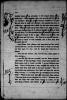
smite me.” Why shouldst thou rise up and tell God He is
not content? Had He, of His warrant, certified so to thee?
Be not nice to seek out division; but possess thy love in
sufficiency: assuredly this is faith, for the heart must believe
first. What He hath set in thine heart to do, that do thou;
and even though thou do it without thought of Him, it shall
be well done; it is this sacrifice that He asketh of thee, and
His flame is upon it for a sign. Think not of Him; but
of His love and thy love. For God is no morbid exactor:
He hath no hand to bow beneath, nor a foot, that thou
shouldst kiss it.’
covered his face; and the salt tears that he shed ran through
her hair upon his lips; and he tasted the bitterness of
shame.
him, saying:—
able truths of thy teaching,—thine heart hath already put
them away, and it needs not that I lay my bidding upon
thee. How is it that thou, a man, wouldst say coldly to the
mind what God hath said to the heart warmly? Thy will
was honest and wholesome; but look well lest this also be
folly,—to say, “I, in doing this, do strengthen God among
men.” When at any time hath He cried unto thee, saying,
“My son, lend me thy shoulder, for I fall?” Deemest thou
that the men who enter God's temple in malice, to the
provoking of blood, and neither for His love nor for His
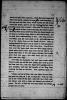
thee in the porch, midway between Him and themselves, to
give ear unto thy thin voice, which merely the fall of their
visors can drown, and to see thy hands , stretched feebly,
tremble among their swords? Give thou to God no more
than He asketh of thee; but to man also, that which is man's.
In all that thou doest, work from thine own heart, simply; for
his heart is as thine, when thine is wise and humble; and
he shall have understanding of thee. One drop of rain is
as another, and the sun's prism in all: and shalt thou not
be as he, whose lives are the breath of One? Only by
making thyself his equal can he learn to hold communion
with thee, and at last own thee above him. Not till thou
lean over the water shalt thou see thine image therein:
stand erect, and it shall slope from thy feet and be lost.
Know that there is but this means whereby thou may est
serve God with man:—Set thine hand and thy soul to
serve man with God.’
Chiaro's spirit, she left his side quietly, and stood up as he
had first seen her: with her fingers laid together, and her
eyes steadfast, and with the breadth of her long dress
covering her feet on the floor. And, speaking again, she
said:—
and paint me thus, as I am, to know me: weak, as I am,
and in the weeds of this time; only with eyes which seek
out labour, and with a faith, not learned, yet jealous of
prayer. Do this; so shall thy soul stand before thee always, and
perplex thee no more.’
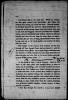
his face grew solemn with knowledge: and before the
shadows had turned, his work was done. Having finished,
he lay back where he sat, and was asleep immediately: for
the growth of that strong sunset was heavy about him, and
he felt weak and haggard; like one just come out of a dusk,
hollow country, bewildered with echoes, where he had lost
himself, and who has not slept for many days and nights.
And when she saw him lie back, the beautiful woman came
to him, and sat at his head, gazing, and quieted his sleep
with her voice.
through all Pisa, though Chiaro had not heard it: and the
last service of that F feast was a mass sung at midnight from
the windows of all the churches for the many dead who lay
about the city, and who had to be buried before morning,
because of the extreme heats.
there at the same time with myself—those, at least, to
whom Art is something,—will certainly recollect how many
rooms of the Pitti Gallery were closed through that season,
in order that some of the pictures they contained might be
examined and repaired without the necessity of removal.
The hall, the staircases, and the vast central suite of apart-
ments, were the only accessible portions; and in these such
paintings as they could admit from the sealed penetralia
were profanely huddled together, without respect of dates,
schools, or persons.
most talked of: for these, as they were restored, generally
found their way somehow into the open rooms, owing to the
clamours raised by the students; and I remember how old
Ercoli's, the curator's, spectacles used to be mirro v red in the
the reclaimed surface, as he leaned mysteriously over these
works with some of the visitors, to scrutinize and elucidate.
forget. It was among those, I believe, brought from the
other rooms, and had been hung, obviously out of all
chronology, immediately beneath that head by Raphael so
long known as the ‘Berrettino,’ and now said to be the
portrait of Cecco Ciulli.
merely the figure of a woman, clad to the hands and feet
with a green and grey raiment, chaste and early in its
fashion, but exceedingly simple. She is standing: her
hands are held together lightly, and her eyes set earnestly
open.
with great delicacy, have the appearance of being painted
at once, in a single sitting: the drapery is unfinished. As
soon as I saw the figure, it drew an awe upon me, like
water in shadow. I shall not attempt to describe it more
than I have already done; for the most absorbing wonder
of it was its literality. You knew that figure, when painted,
had been seen; yet it was not a thing to be seen of men.
This language will appear ridiculous to such as have never
looked on the work; and it may be even to some among those who have. On examining it closely, I perceived in
one corner of the canvass the words Manus Animam pinxit,
and the date 1239.
pictures were all displaced. I then stepped up to the
Cavaliere Ercoli, who was in the room at the moment,
and asked him regarding the subject and authorship of the
painting. He treated the matter, I thought, somewhat
slightingly, and said that he could show me the reference
in the Catalogue, which he had compiled. This, when
found, was not of much value, as it merely said, ‘Schizzo
d'autore incerto,’ adding the inscription.* I could willingly
have prolonged my inquiry, in the hope that it might some-
how lead to some result; but I had disturbed the curator
from certain yards of Guido, and he was not communicative.
I went back, therefore, and stood before the picture till it
grew dusk.
of students was round the spot, all copying the ‘Berrettino.’
I contrived, however, to find a place whence I could see my
picture, and where I seemed to be in nobody's way. For
some minutes I remained undisturbed; and then I heard,
* I should here say, that in the
latest catalogue
for
the year just over
(owing, as in cases before mentioned, to the zeal
and enthusiasm of Dr.
Aemmster), this
, and several
other pictures
, have been more competently
entered.
The work in question is now placed in the
Sala
Sessagona
, a
room I did not see—under the number
161. It is described as ‘Figura
mistica di Chiaro
dell' Erma,’ and there is a brief notice of the
author appended.
little more to this side, as you interrupt my view.’
struck on the picture from the windows, and I could not see
it. However, the request was reasonably made, and from a
countryman; so I complied, and turning away, stood by
his easel. I knew it was not worth while; yet I referred in
some way to the work underneath the one he was copying.
He did not laugh, but he smiled as we do in England:
‘ Very odd, is it not?’ said he.
seeing an Englishman select an Englishman to speak with,
conceived, I suppose, that he could understand no language
but his own. They had evidently been noticing the interest
which the little picture appeared to excite in me.
stood next to him. He spoke with a Genoese accent, and
I lost the sense in the villanous dialect. ‘Che so?’ re-
plied the other, lifting his eyebrows towards the figure;
‘roba mistica: 'st' Inglesi son matti sul misticismo: somiglia
alle nebbie di là. Li fa pensare alla patria,
- “ E e intenerisce il core
- Lo di ch' han detto ai dolci amici adio.”’
dently a novice in the language, and did not take in what
was said. I remained silent, being amused.
he been addressed in any other language: ‘que dis-tu de ce
genre-là?’
easel, and looking at me and at the figure, quite politely,
though with an evident reservation: ‘Je dis, mon cher, que
c'est une spécialité dont je me fiche pas mal. Je tiens que
quand on ne comprend pas une chose, c'est qu' elle ne
signifie rien.’
right.