Rossetti Archive Textual Transcription
The full Rossetti Archive record for this transcribed document is available.
![Image of page [0]](http://www.rossettiarchive.org/img/1-1870.tauch.yale.0-i.jpg)

COLLECTION
OF
BRITISH AUTHORS
TAUCHNITZ EDITION.
VOL. 1380.
POEMS BY DANTE GABRIEL ROSSETTI.
IN ONE VOLUME.
![Image of page [ii]](http://www.rossettiarchive.org/img/thumbs_small/1-1870.tauch.yale.ii-iii.jpg)
BY
DANTE GABRIEL ROSSETTI.
COPYRIGHT EDITION.
WITH A MEMOIR OF THE AUTHOR
BY FRANZ HÜFFER.
LEIPZIG
BERNHARD TAUCHNITZ
1873
The Right of Translation is reserved.
![Image of page [iv]](http://www.rossettiarchive.org/img/thumbs_small/1-1870.tauch.yale.iv-v.jpg)
TO
WILLIAM MICHAEL ROSSETTI,
THESE POEMS,
TO SO MANY OF WHICH, SO MANY YEARS BACK,
HE GAVE THE FIRST BROTHERLY HEARING,
ARE NOW AT LAST DEDICATED.
![Image of page [vi]](http://www.rossettiarchive.org/img/thumbs_small/1-1870.tauch.yale.vi-vii.jpg)
goddess watching over the fates of books, equally
whimsical as she who weaves the threads of our own
mortal existence. Upon one she lavishes with un-
wearying hands the richest gifts of praise and reward,
while others have to toil and struggle in darkness and
silence.
of the rare cases where the outward success of a work
of art has been proportionate to its intrinsic merits,
and the rapid run of this first-born poetic production
of its author through a number of editions, is the more
remarkable, as at first sight it seems to appeal rather to
a narrow circle of esoteric worshippers than to the
mass of readers. The reception of the book on the
part of the best organs of the English press was
most favourable; and not as the least sign of a
complete success we might consider it, that violent detractors of its merits have mixed their voices into
the almost unanimous applause: for this dissent of
a few, makes the majority of Rossetti's admirers only
the more evident.
envy, whence this astonishing success of a book, the
popularising qualities of which in the sensational, or
in fact, any other line, would be looked for in vain?
In answering this question as satisfactorily as the
limits of space will permit, I hope at the same time
to fulfil my task of introducing the work to continental
readers.
only as the single emanation of a single gifted individual,
but also as the result of a movement in which many of
the most pre-eminent men of modern England co-
operate with our poet in various branches of literature
and art. I should like myself to call this movement
the renaissance of mediæval feeling , in correspondence
with that other renaissance of antique culture in the
fifteenth and sixteenth centuries. However, as it has
already been furnished with a name, or nickname (at
least in so far as its tendencies affected the schools of
painting in this country), and as the expression pre-
Raphaelite school has almost become a household
word in England, I must unwillingly abide by this, in
many respects, inappropriate denomination. The
common shibboleth of the chief representatives of this school, and at the same time, of modern English art,
like Holman Hunt, Burne Jones, and Madox Brown,
might be called a strong opposition against the smooth
conventional treatment of nature and the human
figure, as we find it in the later cinquecentists. Most
of these men are, in an eminent sense, colorists, and in
the treatment of their effects of colour, certainly
show some dependence on early Florentine masters.
But all the chief members of the school soon suc-
ceeded in delivering themselves of the “divine
crookedness” and “holy awkwardness” of their earlier
attempts, and to speak nowadays of a man, like, for
instance, Madox Brown, with his admirable faculty of
rendering dramatic effect and human passion, as a pre-
Raphaelite painter, par excellence , and therefore elec-
tively related to Fra Angelico, would be utterly absurd.
Mr. Rossetti was one of the originators and leaders
of the pre-Raphaelite movement during its ephemeral
existence as a school of painting, and he also forms
the connecting link between it and the group of poets
whose aspirations were more or less imbued with the
same spirit of revived mediævalism. The names of
the two poets, Morris and Swinburne, who form
with Mr. Rossetti himself the representative triad of
this movement, are perhaps not as popular on the
other side of the channel as they deserve. Here,
in England, they form the nucleus of a strong party of sympathisers, which daily increases in number
and importance. Their influence is also mani-
fested in the multifarious productions of younger
poets, none of whom seem as yet to have quite passed
the preparatory stage of imitators. The only poet
of independent claims, at all connected with the
medæval school of poetry, is, in my opinion, the too
little known and appreciated poet and painter William
Bell Scott, whose first efforts date back long before
the rise of the pre-Raphaelite movement. It would
be a most interesting task to trace the germs of this
movement in Sir Walter Scott, Coleridge, and Keats,
and to compare it with the romantic revolutions in Ger-
many and France. But such a parallel, valuable as
its results might be, would lead us altogether from our
present subject, which is the individual poet, Rossetti.
I have mentioned the whole matter only as the
necessary foil in which we must consider his indi-
viduality, in order to understand the peculiarities of
its subjective being.
the son of Gabriele Rossetti, the well-known Italian
patriot and Dante scholar. Rossetti, the father, was
one of the leaders of the popular party at Naples,
which he inflamed with his patriotic songs. He had
to leave his position at the Museo Borbonico and his
country, in consequence of the disastrous events of the year 1821. It seems that two lines in his
poems,
- Chè i Sandi ed i Louvelli
- Non sono morti ancor,
in which tyrannicide was preached but too openly,
prevented him from obtaining a reprieve of the sen-
tence, like many other refugees. He settled down in
London, and married a lady of Italian origin, but
English birth. The weary hours of his exile the
Italian patriot beguiled with studies on Dante, in
which a comprehensive knowledge of the great poet
and historian is strongly mixed with violent modern
party spirit. According to him the whole of the
Divina Commedia is the outcry, and nothing but the
outcry, of a political and religious heretic, against the
established forms of church and state. Rossetti has tried
to show, with considerable ingenuity, how the great
work is written in a kind of Carbonari argot,—to the
knowing full of allegorical illusions to contemporary
persons and institutions. Those of my readers for
whom the subject is of interest, may find an excellent
article on Rossetti's system in Professor Witte's lately
published “Danteforschungen.” For us it is only
important as an indication how to trace back the
thoroughly Dantesque spirit which was to be of pro-
minent importance in the mental development of our
poet. How thoroughly the family of Rossetti was
imbued with this spirit, is also shown in the fact that the names of one sister and one brother of Dante
Gabriel became connected with the great Italian poet.
Mr. William Michael Rossetti, otherwise favourably
known as a critical writer, translated the Inferno into
English blank verse; and Miss Maria Rossetti has
quite lately published a valuable elucidation of the
plan of the divine poem. The second sister, Christina,
enjoys at present a great and deserved popularity as
a poetess, both in this country and America. Dante
Gabriel was in age the second member of this sin-
gularly gifted family. His artistic instinct seems to
have shown itself very early, and according to trust-
worthy information, he used to draw at the age of
five. It seems, indeed, to have been always an under-
stood thing in the Rossetti family, that Gabriel was to
be a painter. He soon became a pupil of the Royal
Academy of Painting, but never attached himself
to any of its professors. It cannot be said that Ros-
setti as a painter, is or ever has been under the in-
fluence of any English artist, with the only exception,
perhaps, of Madox Brown, in whose studio he worked
some short time. His first important picture was called
Mary's Girlhood, a sonnet descriptive of which will
be found in the present volume. Among other important
representations of religious subjects we might mention
an altar-piece in the cathedral of Llandaff. The
picture, called The Seed of David, is a triptych, and
shows in the centre-piece the adoration of Christ by high and low, i. e. by kings and shepherds at his
nativity; while the two sidepieces represent David as
shepherd and king, being respectively symbolical of
Christ's own origin from low and high. The most im-
portant subjects of the painter Rossetti, however, are
taken from the Dantesque circle. It is here that we admire
the profound mysticism of his conceptions, combined
with a glow and depth of colour scarcely surpassed by
the old Italian masters. To these Dante pictures Rossetti
also owes his position in the foremost ranks of mo-
dern English artists, a fact which is the more remark-
able as his aspirations were entirely independent of,
and to a great extent in strong opposition to, the es-
tablished authorities of official academic art. Indeed,
of all his pictures, only two, and those of his very
earliest period, were ever exhibited in public by the
artist. How on such scanty materials, as met the
public eye, a widespread popularity could be esta-
blished, a popularity, moreover, which with equal ra-
pidity was transferred from the painter to the poet, is
one of the mysteries of the rules of growing re-
putations.
the painter, and turn to the poetic side of his creative
power. The two faculties are blended in him so per-
fectly, that it would almost be impossible to fully
comprehend the one without the other. Only he who
has been fortunate enough to admire in the artist's studio those wonderfully deep representations of the
noblest womanly types, can quite appreciate the mys-
terious charms of his Blessed Damozel, who
- . . leaned out
- From the gold bar of Heaven.
- Her eyes were stiller than the depth,
- Of water stilled at even;
- She had three lilies in her hand,
- And the stars in her hair were seven,
long hair we know from Mephisto's description. Such
creations I should call essentially pictorial; the won-
derfully graphic arrangement in the grouping of the
different motives, reminds one strangely of the har-
monious effect of perfect colour and design, and is to
me only perceptible through the medium of a pre-
vious pictorial conception, as ultimately blended with
the throbbing passion of lyrical poetry, and trans-
ported from the visible world to the intangible realms
of thought and sound. I will not here enter upon a
controversial disquisition of the limits of fine art
and poetry, a task, by the way, which after Lessing
might scarcely be called grateful; much less is it my
intention to decide whether such a blending of two
heterogeneous arts is an advantage of both poetry and
painting. My wish is not to write a criticism of Mr.
Rossetti's poetry, but merely to acquaint the reader, as far as possible, with the hidden sources from which
his inspiration flows. In that respect I hope my ex-
cursion on the domain of art criticism will not appear
quite irrelevant to the subject.
development seems to me his Italian origin, combined
with his acquaintance, from the years of childhood,
with the treasures of the mediæval poetry of that
country. The first fruit of this knowledge was a col-
lection of translations from “ The early Italian poets,
from Ciullo d'Alcamo to Dante Alighieri, together
with Dante's Vita Nuova. ” This “in all respects praise-
worthy” book, as Witte calls it, was published in
1861, and remained for ten years the only poetic
utterance of its author, if we except a few poems
now and then brought out in periodical publica-
tions.* The work naturally appealed to a limited
circle of readers, but made a decided mark in the
not very rich reproductive literature of England.
What was most admired, and is most admirable in it,
is the thorough entering of the translator into the
spirit of his remote originals, while he at the same
time reproduces in his northern idiom, the finest
nuances of their metrical artificialities, with aston-
ishing skill. Who, versed in Italian literature, can
* The reader will notice Mr. Rossetti's statement about the chronology
of
his poems, at the beginning of this volume, which shows that his
first poetical
efforts must have been nearly coeval with those of
his pictorial genius.
tive and essentially southern mixture of religious and
amorous feelings as we find it in the close repro-
duction of Jacopo da Lentino's sonnet “ Of his Lady
in Heaven. ”
- I have it in my heart to serve God so,
- That into Paradise I shall repair,—
- The holy place through the which everywhere
- I have heard say that joy and solace flow.
- Without my lady I were loth to go—
- She who has the bright face and the bright hair;
- Because if she were absent, I being there
- My pleasure would be less than nought, I know.
- Look you, I say not this to such intent
- 10As that I there would deal in any sin:
- I only would behold her gracious mien,
- And beautiful soft eyes, and lovely face,
- That so it should be my complete content
- To see my lady joyful in her place.
complicated structure than a sonnet, in which there is
no trace of that uncomfortable straight-waistcoat feel-
ing which one never loses in so many translations.
But still more we are struck with the perfect conge-
niality of author and translator in Dante's Vita Nuova.
Here the continuous equal flow of concentrated feel-
ing gave Rossetti an opportunity of rendering all
the peculiarities and mediæval quaintnesses of his great
model's style, with a fidelity which almost produces
the effect of momentary forgetfulness on the part of the reader, that he is not listening to the sonorous fall
of the lingua di sì. I would ask leave to insert here
a short passage from the Vita Nuova, in which Dante
gives the commentary of his celebrated sonnet
- Dèh peregrini, che pensosi andate.
rendering of prose, and runs thus:
“About this time, it happened that a great number of
persons
undertook a pilgrimage, to the end that they might
behold that
blessed portraiture bequeathed unto us by our Lord
Jesus Christ, as
the image of his beautiful countenance (upon
which countenance
my dear lady now looketh continually). And
certain among these
pilgrims who seemed very thoughtful, passed
by a path which is
well-nigh in the midst of the city where my
most gracious lady was
born and abode, and at last died.
“Then I, beholding them, said within myself:
‘These pilgrims
seem to be come from very far; and I
think they cannot have
heard speak of this lady, or know
anything concerning her. Their
thoughts are not of her, but of
other things; it may be, of their
friends who are far distant,
and whom we, in our turn, know not.’
And I went on to
say: ‘I know that if they were of a country
near unto
us, they would in some wise seem disturbed, passing
through this
city which is so full of grief.’ And I said
also:
‘If I could speak with them a space, I am
certain that I should make
them weep before they went forth of
this city; for those things
that they would hear from me, must
needs weeping in
any.’”
his masterly translation, increased the general in-
terest in Dante's and his contemporaries' poetry in
especially that of Dante's, has scarcely passed out of
its teens.
discern the influence of Rossetti's Italian nationality
in his original productions.
marked predilection for the sonnet form, which he
wields with the ease of perfect mastership, and never
applies in its so-called English or Shakespearean de-
terioration. For after all, those poems of fourteen
lines which we find in the great English bard, marvel-
lous as the may be in thought and passion, are from
a strictly formal point of view, scarcely defensible.
At any rate the expression, sonnet, as applied to them,
is a decided misnomer. I will leave it to Shakespeare-
enthusiasts quand même to decide, whether that won-
derful blossom of lyrical poetry, beginning:
- “Music to hear, why hear'st thou music sadly?
- Sweets with sweets war not, joy delights in joy;”
or any other of the immortaly hundred and fifty-four,
is a bad sonnet, or no sonnet at all. Although Ros-
setti, as Mr. Sidney Colvin has cleverly pointed out,
seems occasionally influenced by Shakespearean in-
spiration, he happily has not followed the English poet
in this respect, and his sonnets consist, in accordance
with their innate symmetry and with the great Italian
models, of the orthodox two quatrains with twice re- peated rhymes, followed by a pair of terzine. Corre-
sponding with its form, the spirit of the sonnets
and songs in “ The House of Life” is essentially
Dantesque, nay, the very title appears racy of Italian,
and especially mediæval Italian ground. Some-
times, also, these sonnets with their deep, sym-
bolic suggestiveness, seem to allow of, or even re-
quire a commentary, as the singer of Beatrice has
added it to his Vita Nuova. In the songs of the
House of Life, we most admire the immediate im-
pulse of real passion and an adaptability to actual
musical purposes, only rarely met with in modern
English literature. Italian life and feeling of a very
different kind has also inspired that dark and terrible
picture of love turned to hatred, “ A last Confession.”
Here the drapery of mediæval costume is dropped,
and the violent outbreak of human passion appears
in undisguised nakedness. But here again we find
that wonderfully local colouring of southern in-
tensity of impulse as it is only rarely attained by
poets of our moderate zone. Whether the psycho-
logical treatment of this subject is equal to Robert
Browning's manner of most subtle characterization, I
may leave it to the reader of the Tauchnitz Edition to
decide.
is also well acquainted with the productions, and
thoroughly imbued with the spirit, of the early litera-
pointed out a certain kind of rhyme in Rossetti's
poetry in which the last syllable of a word of three
or more syllables receives a sort of artificial accent,
or to use the technical term, where a proparoxytonon
is turned into an oxytonon, and made to rhyme with a
monosyllable, like in audiblè shell, (p.254) promisèth:
death (p. 224). This, it has been said, is an affected
archaism on the part of a modern poet, and amounts
to the same as the uncouth license of ancient rhyme-
sters who coolly misaccentuate words like countrìe,
ladìe, wherever it suits their convenience. In reality,
however, these two cases are entirely different. In the
former case, the unaccentuated last but one syllable
confers to the ultima a weak or suspensive accent
( schwebender accent, as the Germans call it), which
makes its position in the masculine rhyme-syllable
quite permissible, and sometimes, indeed, adds consi-
derably to the sonorous beauty of a poem; with this,
however, I will not by any means commit myself to
the assertion that a modern poet may not here and there,
where he intends to produce a particular effect, be justi-
fied in applying the second mentioned, from a strictly
metrical point of view, decidedly objectionable kind of
rhyme. A beautiful specimen of the suspensive rhyme,
as we might call it, is to be found in Kit Marlowe's
charming pastoral
- “Come live with me and be my love.”
- The shepherd swains shall dance and sing
- For thy delight each Maymorning.*
beauty of his metrical formations, which Rossetti has
taken from English sources, is the burden or refrain
which forms a conspicuous part of his narrative
stanza. Sometimes, as for instance in “ Sister Helen,”
this burden is developed into a whole sentence of
deepest import, which indicates at once the source of
the whole tragic event.
influences of nationality and artistic knowledge. But
what we most admire in his work, is something which
lies entirely beyond the pale of nationality, and
much more beyond that of acquired skill. I am
speaking of his wonderfully deep conception of the
female type, of woman in her relativeness to man.
With this we have at last touched the keynote of
Rossetti's creative power. For it is this conception
of ideal beauty, as revealed in womanhood, and
the poet's ardent longing for this ideal, which form
the transcendental basis of all his creations. We
always hear the same grand, albeit monotonous sym-
phony played as in an undertone, whether the poet
sings the pure love of the “ Blessed Damozel,” or
* See Percy's Reliques (Tauchnitz Edition, Vol. I., 192).
unfortunate outcast of the London streets. Into the
great beauties of the last-mentioned poem, I should
much like to enter, the more so as it is almost the only
utterance of Rossetti's genius in which he shows a
strong sympathetic perception of the sufferings and
struggles of our own modern life. But I am afraid of
having exceeded already the limits of an introductory
essay, and will, therefore, no longer detain the reader
from making himself the acquaintance of a deep and
original mind, which I hope, after my remarks, will
be no more an utter stranger to him.
-
-
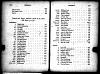
POEMS:
Page
- The Blessed Damozel . . . . . . . . . . . . . 1
- Love's Nocturn . . . . . . . . . . . . . . . 8
- Troy Town . . . . . . . . . . . . . . . . . .16
- The Burden of Nineveh . . . . . . . . . . . .21
- Eden Bower . . . . . . . . . . . . . . . . .31
- Ave . . . . . . . . . . . . . . . . . . . . .41
- The Staff and Scrip . . . . . . . . . . . . .47
- A Last Confession . . . . . . . . . . . . . .58
- Dante at Verona . . . . . . . . . . . . . . .84
- Jenny . . . . . . . . . . . . . . . . . . . 109
- The Portrait . . . . . . . . . . . . . . . 127
- Sister Helen . . . . . . . . . . . . . . . 133
- Stratton Water . . . . . . . . . . . . . . 145
- The Stream's Secret . . . . . . . . . . . . 154
- The Card-Dealer . . . . . . . . . . . . . . 166
- My Sister's Sleep . . . . . . . . . . . . . 169
- A New Year's Burden . . . . . . . . . . . . 173
- Even So . . . . . . . . . . . . . . . . . . 174
- An Old Song Ended . . . . . . . . . . . . . 175
- Aspecta Medusa . . . . . . . . . . . . . . 176
-
- Three Translations from Francois Villon:
- The Ballad of Dead Ladies . . . . . . 177
- To Death, of his Lady . . . . . . . . 179
- His Mother's Service to our Lady . . . 180
- John of Tours . . . . . . . . . . . . . . . 182
- My Father's Close . . . . . . . . . . . . . 184
- Beauty . . . . . . . . . . . . . . . . . . 186
Note: The word “ Page” is repeated above the column of numbers on this page. -
-
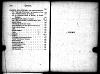
Sonnets and Songs, towards a work to be called
-
-
SONNETS:
- I. Bridal Birth . . . . . . . . . . . . . 189
- II. Love's Redemption . . . . . . . . . . 190
- III. Lovesight . . . . . . . . . . . . . . 191
- IV. The Kiss . . . . . . . . . . . . . . . 192
- V. Nuptial Sleep . . . . . . . . . . . . 193
- VI. Supreme Surrender . . . . . . . . . . 194
- VII. Love's Lovers . . . . . . . . . . . . 195
- VIII. Passion and Worship. . . . . . . . . . 196
- IX. The Portrait . . . . . . . . . . . . . 197
- X. The Love-Letter . . . . . . . . . . . 198
- XI. The Birth-Bond . . . . . . . . . . . . 199
- XII. A Day of Love . . . . . . . . . . . . 200
- XIII. Love-Sweetness . . . . . . . . . . . . 201
- XIV. Love's Baubles . . . . . . . . . . . . 202
- XV. Winged Hours . . . . . . . . . . . . . 203
- XVI. Life-In-Love . . . . . . . . . . . . . 204
- XVII. The Love-Moon . . . . . . . . . . . . 205
- XVIII. The Morrow's Message . . . . . . . . . 206
- XIX. Sleepless Dreams . . . . . . . . . . . 207
- XX. Secret Parting . . . . . . . . . . . . 208
- XXI. Parted Love . . . . . . . . . . . . . 209
- XXII. Broken Music . . . . . . . . . . . . . 210
- XXIII. Death-in-Love . . . . . . . . . . . . 211
- XXIV.-VII.Willowwood ; . . . . . . . . . . . 212-15
- XXVIII. Stillborn Love . . . . . . . . . . . . 216
- XXIX. Inclusiveness . . . . . . . . . . . . 217
- XXX. Known in Vain . . . . . . . . . . . . 218
- XXXI. The Landmark . . . . . . . . . . . . . 219
- XXXII. A Dark Day . . . . . . . . . . . . . . 220
- XXXIII. The Hill Summit . . . . . . . . . . . 221
- XXXIV. Barren Spring . . . . . . . . . . . . 222
- XXXV.-VII.The Choice . . . . . . . . . . . . . 223-5
- XXXVIII. Hoarded Joy . . . . . . . . . . . . . 226
- XXXIX. Vain Virtues . . . . . . . . . . . . . 227
- XL. Lost Days . . . . . . . . . . . . . . 228
- XLI. Death's Songsters . . . . . . . . . . 229
- XLII. “Retro Me, Sathana!” . . . . . . . . . 230
- XLIII. Lost on Both Sides . . . . . . . . . . 231
- XLIV. The Sun's Shame . . . . . . . . . . . 232
- XLV. The Vase of Life . . . . . . . . . . . 233
- XLVI. A Superscription . . . . . . . . . . . 234
- XLVII. He and I . . . . . . . . . . . . . . . 235
- XLVIII.-IX. Newborn Death . . . . . . . . . . 236-7
- L. The One Hope . . . . . . . . . . . . . 238
Note: The word “ Page” is repeated above the column of numbers on this page. -
-
SONGS:
- I. Love-Lily . . . . . . . . . . . . . . .239
- II. First Love Remembered . . . . . . . . .241
- III. Plighted Promise . . . . . . . . . . .242
- IV. Sudden Light . . . . . . . . . . . . .244
- V. A Little While . . . . . . . . . . . .245
- VI. The Song of the Bower . . . . . . . . .247
- VII. Penumbra . . . . . . . . . . . . . . .249
- VIII. The Woodspurge . . . . . . . . . . . .251
- IX. The Honeysuckle . . . . . . . . . . . .252
- X. A Young Fir-Wood . . . . . . . . . . .253
- XI. The Sea-Limits . . . . . . . . . . . .254
“The House of Life.” -
-
-
SONNETS FOR PICTURES, AND OTHER SONNETS:
- For “Our Lady of the Rocks,” by Leonardo da Vinci 259
- For A Venetian Pastoral, by Giorgione . . . . . . . . . 260
- For an Allegorical Dance of Women, by Andrea Mantegna . . . . . . . . . . . . . . . . . . . . . 261
- For Ruggiero and Angelica, by Ingres . . . . . . . . 262-3
- For “The Wine of Circe,” by Edward Burne Jones. . . . . 264
- Mary's Girlhood . . . . . . . . . . . . . . . . . . . . 265
- The Passover in the Holy Family . . . . . . . . . . . . 266
- Mary Magdalen at the door of Simon the Pharisee . . . . 267
- Saint Luke the Painter . . . . . . . . . . . . . . . . 268
- Lilith . . . . . . . . . . . . . . . . . . . . . . . . 269
- Sibylla Palmifera . . . . . . . . . . . . . . . . . . . 270
- Venus . . . . . . . . . . . . . . . . . . . . . . . . . 271
- Cassandra . . . . . . . . . . . . . . . . . . . . . . 272-3
- Pandora . . . . . . . . . . . . . . . . . . . . . . . . 274
- On Refusal of Aid between Nations . . . . . . . . . . . 275
- On the “Vita Nuova” of Dante . . . . . . . . . . . . . 276
- Dantis Tenebræ . . . . . . . . . . . . . . . . . . . . 277
- Beauty and the Bird . . . . . . . . . . . . . . . . . . 278
- A Match with the Moon . . . . . . . . . . . . . . . . . 279
- Autumn Idleness . . . . . . . . . . . . . . . . . . . . 280
- Farewell to the Glen . . . . . . . . . . . . . . . . . 281
- The Monochord . . . . . . . . . . . . . . . . . . . . . 282
![Image of page [xxviii]](http://www.rossettiarchive.org/img/thumbs_small/1-1870.tau.yale.xxviii-xxix.jpg)
1853. Others are of recent date, and a few belong to the inter-
vening period. It has been thought unnecessary to specify the
earlier work, as nothing is included which the author believes to
be immature.]
![Image of page [xxx]](http://www.rossettiarchive.org/img/1-1870.tauch.yale.xxx-1.jpg)
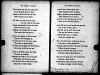
- The blessed damozel leaned out
- From the gold bar of Heaven;
- Her eyes were deeper than the depth
- Of waters stilled at even;
- She had three lilies in her hand,
- And the stars in her hair were seven.
- Her robe, ungirt from clasp to hem,
- No wrought flowers did adorn,
- But a white rose of Mary's gift,
- 10 For service meetly worn;
- Her hair that lay along her back
- Was yellow like ripe corn.
- Herseemed she scarce had been a day
- One of God's choristers;
- The wonder was not yet quite gone
- From that still look of hers;
- Albeit, to them she left, her day
- Had counted as ten years.
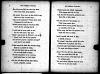
- (To one, it is ten years of years.
- 20 . . . Yet now, and in this place,
- Surely she leaned o'er me—her hair
- Fell all about my face. . . .
- Nothing: the autumn fall of leaves.
- The whole year sets apace.)
- It was the rampart of God's house
- That she was standing on;
- By God built over the sheer depth
- The which is Space begun;
- So high, that looking downward thence
- 30 She scarce could see the sun.
- It lies in Heaven, across the flood
- Of ether, as a bridge.
- Beneath, the tides of day and night
- With flame and darkness ridge
- The void, as low as where this earth
- Spins like a fretful midge.
- Around her, lovers, newly met
- 'Mid deathless love's acclaims,
- Spoke evermore among themselves
- 40 Their rapturous new names; *
- And the souls mounting up to God
- Went by her like thin flames.
- And still she bowed herself and stooped
- Out of the circling charm;
- Until her bosom must have made
- The bar she leaned on warm,
- And the lilies lay as if asleep
- Along her bended arm.
- From the fixed place of Heaven she saw
- 50 Time like a pulse shake fierce
- Through all the worlds. Her gaze still strove
- Within the gulf to pierce
- Its path; and now she spoke as when
- The stars sang in their spheres.
- The sun was gone now; the curled moon
- Was like a little feather
- Fluttering far down the gulf; and now
- She spoke through the still weather.
- Her voice was like the voice the stars
- 60 Had when they sang together.
- (Ah sweet! Even now, in that bird's song,
- Strove not her accents there,
- Fain to be hearkened? When those bells
- Possessed the mid-day air,
- Strove not her steps to reach my side
- Down all the echoing stair?)
- “I wish that he were come to me,
- For he will come,” she said.
- “Have I not prayed in Heaven?—on earth,
- 70 Lord, Lord, has he not pray'd?
- Are not two prayers a perfect strength?
- And shall I feel afraid?
- “When round his head the aureole clings,
- And he is clothed in white,
- I'll take his hand and go with him
- To the deep wells of light;
- We will step down as to a stream,
- And bathe there in God's sight.
- “We two will stand beside that shrine,
- 80 Occult, withheld, untrod,
- Whose lamps are stirred continually
- With prayer sent up to God;
- And see our old prayers, granted, melt
- Each like a little cloud.
- “We two will lie i'the shadow of
- That living mystic tree
- Within whose secret growth the Dove
- Is sometimes felt to be,
- While every leaf that His plumes touch
- 90 Saith His Name audibly.
- “And I myself will teach to him,
- I myself, lying so,
- The songs I sing here; which his voice
- Shall pause in, hushed and slow,
- And find some knowledge at each pause,
- Or some new thing to know.”
- (Alas! We two, we two, thou say'st!
- Yea, one wast thou with me
- That once of old. But shall God lift
- 100 To endless unity
- The soul whose likeness with thy soul
- Was but its love for thee?)
- “We two,” she said, “will seek the groves
- Where the lady Mary is,
- With her five handmaidens, whose names
- Are five sweet symphonies,
- Cecily, Gertrude, Magdalen,
- Margaret and Rosalys.
- “Circlewise sit they, with bound locks
- 110 And foreheads garlanded;
- Into the fine cloth white like flame
- Weaving the golden thread,
- To fashion the birth-robes for them
- Who are just born, being dead.
- “He shall fear, haply, and be dumb:
- Then will I lay my cheek
- To his, and tell about our love,
- Not once abashed or weak:
- And the dear Mother will approve
- 120 My pride, and let me speak.
- “Herself shall bring us, hand in hand,
- To Him round whom all souls
- Kneel, the clear-ranged unnumbered heads
- Bowed with their aureoles:
- And angels meeting us shall sing
- To their citherns and citoles.
- “There will I ask of Christ the Lord
- Thus much for him and me:—
- Only to live as once on earth
- 130 With Love,—only to be,
- As then awhile, for ever now
- Together, I and he.”
- She gazed and listened and then said,
- Less sad of speech than mild,—
- “All this is when he comes.” She ceased.
- The light thrilled towards her, fill'd
- With angels in strong level flight.
- Her eyes prayed, and she smil'd.
- (I saw her smile.) But soon their path
- 140 Was vague in distant spheres:
- And then she cast her arms along
- The golden barriers,
- And laid her face between her hands,
- And wept. (I heard felt her tears.)
- Master of the murmuring courts
- Where the shapes of sleep convene!—
- Lo! my spirit here exhorts
- All the powers of thy demesne
- For their aid to woo my queen.
- What reports
- Yield thy jealous courts unseen?
- Vaporous, unaccountable,
- Dreamland Dreamworld lies forlorn of light,
- 10Hollow like a breathing shell.
- Ah! that from all dreams I might
- Choose one dream and guide its flight!
- I know well
- What her sleep should tell to-night.
- There the dreams are multitudes:
- Some that will not wait for sleep,
- Deep within the August woods;
- Some that hum while rest may steep
- Weary labour laid a-heap;
- 20 Interludes,
- Some, of grievous moods that weep.
- Poets' fancies all are there:
- There the elf-girls flood with wings
- Valleys full of plaintive air;
- There breathe perfumes; there in rings
- Whirl the foam-bewildered springs;
- Siren there
- Winds her dizzy hair and sings.
- Thence the one dream mutually
- 30 Dreamed in bridal unison,
- Less than waking ecstasy;
- Half-formed visions that make moan
- In the house of birth alone;
- And what we
- At death's wicket see, unknown.
- But for mine own sleep, it lies
- In one gracious form's control,
- Fair with honorable eyes,
- Lamps of an auspicious soul:
- 40 O their glance is loftiest dole,
- Sweet and wise,
- Wherein Love descries his goal.
- Reft of her, my dreams are all
- Clammy trance that fears the sky:
- Changing footpaths shift and fall;
- From polluted coverts nigh,
- Miserable phantoms sigh;
- Quakes the pall,
- And the funeral goes by.
- 50Master, is it soothly said
- That, as echoes of man's speech
- Far in secret clefts are made,
- So do all men's bodies reach
- Shadows o'er thy sunken beach,—
- Shape or shade
- In those halls pourtrayed of each?
- Ah! might I, by thy good grace
- Groping in the windy stair,
- (Darkness and the breath of space
- 60 Like loud waters everywhere,)
- Meeting mine own image there
- Face to face,
- Send it from that place to her!
- Nay, not I; but oh! do thou,
- Master, from thy shadowkind
- Call my body's phantom now:
- Bid it bear its face declin'd
- Till its flight her slumbers find,
- And her brow
- 70Feel its presence bow like wind.
- Where in groves the gracile Spring
- Trembles, with mute orison
- Confidently strengthening,
- Water's voice and wind's as one
- Shed an echo in the sun.
- Soft as Spring,
- Master, bid it sing and moan.
- Song shall tell how glad and strong
- Is the night she soothes alway;
- 80Moan shall grieve with that parched tongue
- Of the brazen hours of day:
- Sounds as of the springtide they,
- Moan and song,
- While the chill months long for May.
- Not the prayers which with all leave
- The world's fluent woes prefer,—
- Not the praise the world doth give,
- Dulcet fulsome whisperer;—
- Let it yield my love to her,
- 90 And achieve
- Strength that shall not grieve or err.
- Wheresoe'er my dreams befall,
- Both at night-watch, (let it say,)
- And where round the sundial
- The reluctant hours of day,
- Heartless, hopeless of their way,
- Rest and call;—
- There her glance doth fall and stay.
- Suddenly her face is there:
- 100 So do mounting vapours wreathe
- Subtle-scented transports where
- The black firwood sets its teeth.
- Part the boughs and look beneath,—
- Lilies share
- Secret waters there, and breathe.
- Master, bid my shadow bend
- Whispering thus till birth of light,
- Lest new shapes that sleep may send
- Scatter all its work to flight;—
- 110 Master, master of the night,
- Bid it spend
- Speech, song, prayer, and end aright.
- Yet, ah me! if at her head
- There another phantom lean
- Murmuring o'er the fragrant bed,—
- Ah! and if my spirit's queen
- Smile those alien words prayers between,—
- Ah! poor shade!
- Shall it strive, or fade unseen?
- 120How should love's own messenger
- Strive with love and be love's foe?
- Master, nay! If thus, in her,
- Sleep a wedded heart should show,—
- Silent let mine image go,
- Its old share
- Of thy spell-bound air to know.
- Like a vapour wan and mute,
- Like a flame, so let it pass;
- One low sigh across her lute,
- 130 One dull breath against her glass
- And to my sad soul, alas!
- One salute
- Cold as when death's foot shall pass.
- Then, too, let all hopes of mine,
- All vain hopes by night and day,
- Slowly at thy summoning sign
- Rise up pallid and obey.
- Dreams, if this is thus, were they:—
- Be they thine,
- 140 And to dreamland pine away.
- Yet from old time, life, not death,
- Master, in thy rule is rife:
- Lo! through thee, with mingling breath,
- Adam woke beside his wife.
- O Love bring me so, for strife,
- Force and faith,
- Bring me so not death but life!
- Yea, to Love himself is pour'd
- This frail song of hope and fear.
- 150Thou art Love, of one accord
- With kind Sleep to bring her near,
- Still-eyed, deep-eyed, ah how dear!
- Master, Lord,
- In her name implor'd, O hear!
- Heavenborn Helen, Sparta's queen,
- (O Troy Town!)
- Had two breasts of heavenly sheen,
- The sun and moon of the heart's desire:
- All Love's lordship lay between.
- (O Troy's down,
- Tall Troy's on fire!)
- Helen knelt at Venus' shrine,
- (O Troy Town!)
- 10Saying, “A little gift is mine,
- A little gift for a heart's desire.
- Hear me speak and make me a sign!
- (O Troy's down,
- Tall Troy's on fire!)
- “Look, I bring thee a carven cup;
- (O Troy Town!)
- See it here as I hold it up,—
- Shaped it is to the heart's desire,
- Fit to fill when the gods would sup.
- 20 (O Troy's down,)
- Tall Troy's on fire!)
- “It was moulded like my breast;
- (O Troy Town!)
- He that sees it may not rest,
- Rest at all for his heart's desire.
- O give ear to my heart's behest!
- (O Troy's down,
- Tall Troy's on fire!)
- “See my breast, how like it is;
- 30 (O Troy Town!)
- See it bare for the air to kiss!
- Is the cup to thy heart's desire?
- O for the breast, O make it his!
- (O Troy's down,
- Tall Troy's on fire!)
- “Yea, for my bosom here I sue;
- (O Troy Town!)
- Thou must give it where 'tis due,
- Give it there to the heart's desire.
- 40Whom do I give my bosom to?
- (O Troy's down,
- Tall Troy's on fire!)
- “Each twin breast is an apple sweet.
- (O Troy Town!)
- Once an apple stirred the beat
- Of thy heart with the heart's desire:—
- Say, who brought it then to thy feet?
- (O Troy's down,
- Tall Troy's on fire!)
- 50“They that claimed it then were three:
- (O Troy Town!)
- For thy sake two hearts did he
- Make forlorn of the heart's desire.
- Do for him as he did for thee!
- (O Troy's down,
- Tall Troy's on fire!)
- “Mine are apples grown to the south,
- (O Troy Town!)
- Grown to taste in the days of drouth,
- 60Taste and waste to the heart's desire:
- Mine are apples meet for his mouth.”
- (O Troy's down,
- Tall Troy's on fire!)
- Venus looked on Helen's gift,
- (O Troy Town!)
- Looked and smiled with subtle drift,
- Saw the work of her heart's desire:—
- “There thou kneel'st for Love to lift!”
- (O Troy's down,
- 70 Tall Troy's on fire!)
- Venus looked in Helen's face,
- (O Troy Town!)
- Knew far off an hour and place,
- And fire lit from the heart's desire;
- Laughed and said, “Thy gift hath grace!”
- (O Troy's down,
- Tall Troy's on fire!)
- Cupid looked on Helen's breast,
- (O Troy Town!)
- 80Saw the heart within its nest,
- Saw the flame of the heart's desire,—
- Marked his arrow's burning crest.
- (O Troy's down,
- Tall Troy's on fire!)
- Cupid took another dart,
- (O Troy Town!)
- Fledged it for another heart,
- Winged the shaft with the heart's desire,
- Drew the string and said, “Depart!”
- 90 (O Troy's down,
- Tall Troy's on fire!)
- Paris turned upon his bed,
- (O Troy Town!)
- Turned upon his bed and said,
- Dead at heart with the heart's desire,—
- “O to clasp her golden head!”
- (O Troy's down,
- Tall Troy's on fire!)
- In our Museum galleries
- To-day I lingered o'er the prize
- Dead Greece vouchsafes to living eyes,—
- Her Art for ever in fresh wise
- From hour to hour rejoicing me.
- Sighing I turned at last to win
- Once more the London dirt and din;
- And as I made the swing-door spin
- And issued, they were hoisting in
- 10 A wingèd beast from Nineveh.
- A human face the creature wore,
- And hoofs behind and hoofs before,
- And flanks with dark runes fretted o'er.
- 'Twas bull, 'twas mitred Minotaur,
- A dead disbowelled mystery;
- The mummy of a buried faith
- Stark from the charnel without scathe,
- Its wings stood for the light to bathe,—
- Such fossil cerements as might swathe
- 20 The very corpse of Nineveh.
- The print of its first rush-wrapping,
- Wound ere it dried, still ribbed the thing.
- What song did the brown maidens sing,
- From purple mouths alternating,
- When that was woven languidly?
- What vows, what rites, what prayers preferr'd,
- What songs has the strange image heard?
- In what blind vigil stood interr'd
- For ages, till an English word
- 30 Broke silence first at Nineveh?
- Oh when upon each sculptured court,
- Where even the wind might not resort,—
- O'er which Time passed, of like import
- With the wild Arab boys at sport,—
- A living face looked in to see:—
- Oh seemed it not—the spell once broke—
- As though the carven warriors woke,
- As though the shaft the string forsook,
- The cymbals clashed, the chariots shook,
- 40 And there was life in Nineveh?
- On London stones our sun anew
- The beast's recovered shadow threw.
- (No shade that plague of darkness knew,
- No light, no shade, while older grew
- By ages the old earth and sea.)
- Lo thou! could all thy priests have shown
- Such proof to make thy godhead known?
- From their dead Past thou liv'st alone;
- And still thy shadow is thine own
- 50 Even as of yore in Nineveh.
- That day whereof we keep record,
- When near thy city-gates the Lord
- Sheltered his Jonah with a gourd,
- This sun, (I said) here present, pour'd
- Even thus this shadow that I see.
- This shadow has been shed the same
- From sun and moon,—from lamps which came
- For prayer,—from fifteen days of flame,
- The last, while smouldered to a name
- 60 Sardanapalus' Nineveh.
- Within thy shadow, haply, once
- Sennacherib has knelt, whose sons
- Smote him between the altar-stones:
- Or pale Semiramis her zones
- Of gold, her incense brought to thee,
- In love for grace, in war for aid: . . . .
- Ay, and who else? . . . . till 'neath thy shade
- Within his trenches newly made
- Last year the Christian knelt and pray'd—
- 70 Not to thy strength—in Nineveh.*
* During the excavations, the Tiyari workmen held their services in
the
shadow of the great bulls. (
Layard's
‘Nineveh,’
ch. ix.)
- Now, thou poor god, within this hall
- Where the blank windows blind the wall
- From pedestal to pedestal,
- The kind of light shall on thee fall
- Which London takes the day to be:
- While school-foundations in the act
- Of holiday, three files compact,
- Shall learn to view thee as a fact
- Connected with that zealous tract:
- 80 “Rome,—Babylon and Nineveh.”
- Deemed they of this, those worshippers,
- When, in some mythic chain of verse
- Which man shall not again rehearse,
- The faces of thy ministers
- Yearned pale with bitter ecstasy?
- Greece, Egypt, Rome,—did any god
- Before whose feet men knelt unshod
- Deem that in this unblest abode
- Another scarce more unknown god
- 90 Should house with him, from Nineveh?
- Ah! in what quarries lay the stone
- From which this pillared pile has grown,
- Unto man's need how long unknown,
- Since those thy temples, court and cone,
- Rose far in desert history?
- Ah! what is here that does not lie
- All strange to thine awakened eye?
- Ah! what is here can testify
- (Save that dumb presence of the sky)
- 100 Unto thy day and Nineveh?
- Why, of those mummies in the room
- Above, there might indeed have come
- One out of Egypt to thy home,
- An alien. Nay, but were not some
- Of these thine own “antiquity?”
- And now,—they and their gods and thou
- All relics here together,—now
- Whose profit? whether bull or cow,
- Isis or Ibis, who or how,
- 110 Whether of Thebes or Nineveh?
- The consecrated metals found,
- And ivory tablets, underground,
- Winged teraphim and creatures crown'd,
- When air and daylight filled the mound,
- Fell into dust immediately.
- And even as these, the images
- Of awe and worship,—even as these,—
- So, smitten with the sun's increase,
- Her glory mouldered and did cease
- 120 From immemorial Nineveh.
- The day her builders made their halt,
- Those cities of the lake of salt
- Stood firmly 'stablished without fault,
- Made proud with pillars of basalt,
- With sardonyx and porphyry.
- The day that Jonah bore abroad
- To Nineveh the voice of God,
- A brackish lake lay in his road,
- Where erst Pride fixed her sure abode,
- 130 As then in royal Nineveh.
- The day when he, Pride's lord and Man's,
- Showed all the kingdoms at a glance
- To Him before whose countenance
- The years recede, the years advance,
- And said, Fall down and worship me:—
- 'Mid all the pomp beneath that look,
- Then stirred there, haply, some rebuke,
- Where to the wind the Salt Pools shook,
- And in those tracts, of life forsook,
- 140 That knew thee not, O Nineveh!
- Delicate harlot! On thy throne
- Thou with a world beneath thee prone
- In state for ages sat'st alone;
- And needs were years and lustres flown
- Ere strength of man could vanquish thee:
- Whom even thy victor foes must bring,
- Still royal, among maids that sing
- As with doves' voices, taboring
- Upon their breasts, unto the King,—
- 150 A kingly conquest, Nineveh!
- . . . Here woke my thought. The wind's slow sway
- Had waxed; and like the human play
- Of scorn that smiling spreads away,
- The sunshine shivered off the day:
- The callous wind, it seemed to me,
- Swept up the shadow from the ground:
- And pale as whom the Fates astound,
- The god forlorn stood winged and crown'd:
- Within I knew the cry lay bound
- 160 Of the dumb soul of Nineveh.
- And as I turned, my sense half shut
- Still saw the crowds of kerb and rut
- Go past as marshalled to the strut
- Of ranks in gypsum quaintly cut.
- It seemed in one same pageantry
- They followed forms which had been erst;
- To pass, till on my sight should burst
- That future of the best or worst
- When some may question which was first,
- 170 Of London or of Nineveh.
- For as that Bull-god once did stand
- And watched the burial-clouds of sand,
- Till these at last without a hand
- Rose o'er his eyes, another land,
- And blinded him with destiny:—
- So may he stand again; till now,
- In ships of unknown sail and prow,
- Some tribe of the Australian plough
- Bear him afar,—a relic now
- 180 Of London, not of Nineveh!
- Or it may chance indeed that when
- Man's age is hoary among men,—
- His centuries threescore and ten,—
- His furthest childhood shall seem then
- More clear than later times may be:
- Who, finding in this desert place
- This form, shall hold us for some race
- That walked not in Christ's lowly ways,
- But bowed its pride and vowed its praise
- 190 Unto the God of Nineveh.
- The smile rose first,—anon drew nigh
- The thought: . .Those heavy wings spread high
- So sure of flight, which do not fly;
- That set gaze never on the sky;
- Those scriptured flanks it cannot see;
- Its crown, a brow-contracting load;
- Its planted feet which trust the sod: . . .
- (So grew the image as I trod:)
- O Nineveh, was this thy God,—
- 200 Thine also, mighty Nineveh?
- It was Lilith the wife of Adam:
- (Eden bower's in flower.)
- Not a drop of her blood was human,
- But she was made like a soft sweet woman.
- Lilith stood on the skirts of Eden;
- (And O the bower and the hour!)
- She was the first that thence was driven;
- With her was hell and with Eve was heaven.
- In the ear of the Snake said Lilith:—
- 10 (Eden bower's in flower.)
- “To thee I come when the rest is over;
- A snake was I when thou wast my lover.
- “I was the fairest snake in Eden:
- (And O the bower and the hour!)
- By the earth's will, new form and feature
- Made me a wife for the earth's new creature.
- “Take me thou as I come from Adam:
- (Eden bower's in flower.)
- Once again shall my love subdue thee;
- 20The past is past and I am come to thee.
- “O but Adam was thrall to Lilith!
- (And O the bower and the hour!)
- All the threads of my hair are golden,
- And there in a net his heart was holden.
- “O and Lilith was queen of Adam!
- (Eden bower's in flower.)
- All the day and the night together
- My breath could shake his soul like a feather.
- “What great joys had Adam and Lilith!—
- 30 (And O the bower and the hour!)
- Sweet close rings of the serpent's twining,
- As heart in heart lay sighing and pining.
- ‘What bright babes had Lilith and Adam!—
- (Eden bower's in flower.)
- Shapes that coiled in the woods and waters,
- Glittering sons and radiant daughters.
- “O thou God, the Lord God of Eden!
- (And O the bower and the hour!)
- Say, was this fair body for no man,
- 40That of Adam's flesh thou mak'st him a woman?
- “O thou Snake, the King-snake of Eden!
- (Eden bower's in flower.)
- God's strong will our necks are under,
- But thou and I may cleave it in sunder.
- “Help, sweet Snake, sweet lover of Lilith!
- (And O the bower and the hour!)
- And let God learn how I loved and hated
- Man in the image of God created.
- “Help me once against Eve and Adam!
- 50 (Eden bower's in flower.)
- Help me once for this one endeavour,
- And then my love shall be thine for ever!
- “Strong is God, the fell foe of Lilith:
- (And O the bower and the hour!)
- Nought in heaven or earth may affright him;
- But join thou with me and we will smite him.
- “Strong is God, the great God of Eden:
- (Eden bower's in flower.)
- Over all He made He hath power;
- 60But lend me thou thy shape for an hour!
- “Lend thy shape for the love of Lilith!
- (And O the bower and the hour!)
- Look, my mouth and my cheek are ruddy,
- And thou art cold, and fire is my body.
- “Lend thy shape for the hate of Adam!
- (Eden bower's in flower.)
- That he may wail my joy that forsook him,
- And curse the day when the bride-sleep took him.
- “Lend thy shape for the shame of Eden!
- 70 (And O the bower and the hour!)
- Is not the foe-God weak as the foeman
- When love grows hate in the heart of a woman?
- “Would'st thou know the heart's hope of Lilith?
- (Eden bower's in flower.)
- Then bring thou close thine head till it glisten
- Along my breast, and lip me and listen.
- “Am I sweet, O sweet Snake of Eden?
- (And O the bower and the hour!)
- Then ope thine ear to my warm mouth's cooing
- 80And learn what deed remains for our doing.
- “Thou didst hear when God said to Adam:—
- (Eden bower's in flower.)
- “Of all this wealth I have made thee warden;
- Thou'rt free to eat of the trees of the garden:
- “‘Only of one tree eat not in Eden;
- (And O the bower and the hour!)
- All save one I give to thy freewill,—
- The Tree of the Knowledge of Good and Evil.’
- “O my love, come nearer to Lilith!
- 90 (Eden bower's in flower.)
- In thy sweet folds bind me and bend me,
- And let me feel the shape thou shalt lend me!
- “In thy shape I'll go back to Eden;
- (And O the bower and the hour!)
- In these coils that Tree will I grapple,
- And stretch this crowned head forth by the apple.
- “Lo, Eve bends to the breath of Lilith!
- (Eden bower's in flower.)
- O how then shall my heart desire
- 100All her blood as food to its fire!
- “Lo, Eve bends to the words of Lilith!—
- (And O the bower and the hour!)
- ‘Nay, this Tree's fruit,—why should ye hate it,
- Or Death be born the day that ye ate it?
- “‘Nay, but on that great day in Eden,
- (Eden bower's in flower.)
- By the help that in this wise Tree is,
- God knows well ye shall be as He is.’
- “Then Eve shall eat and give unto Adam;
- 110 (And O the bower and the hour!)
- And then they both shall know they are naked,
- And their hearts ache as my heart hath achèd.
- “Aye, let them hide in the trees of Eden,
- (Eden bower's in flower.)
- As in the cool of the day in the garden
- God shall walk without pity or pardon.
- “Hear, thou Eve, the man's heart in Adam!
- (And O the bower and the hour!)
- Of his brave words hark to the bravest:—
- 120‘This the woman gave that thou gavest.’
- “Hear Eve speak, yea list to her, Lilith!
- (Eden bower's in flower.)
- Feast thine heart with words that shall sate it—
- ‘This the serpent gave and I ate it.’
- “O proud Eve, cling close to thine Adam,
- (And O the bower and the hour!)
- Driven forth as the beasts of his naming
- By the sword that for ever is flaming.
- “Know, thy path is known unto Lilith!
- 130 (Eden bower's in flower.)
- While the blithe birds sang at thy wedding,
- There her tears grew thorns for thy treading.
- “O my love, thou Love-snake of Eden!
- (And O the bower and the hour!)
- O to-day and the day to come after!
- Loose me, love,—give breath to my laughter!
- “O bright Snake, the Death-worm of Adam!
- (Eden bower's in flower.)
- Wreathe thy neck with my hair's bright tether,
- 140And wear my gold and thy gold together!
- “On that day on the skirts of Eden,
- (And O the bower and the hour!)
- In thy shape shall I glide back to thee,
- And in my shape for an instant view thee.
- “But when thou'rt thou and Lilith is Lilith,
- (Eden bower's in flower.)
- In what bliss past hearing or seeing
- Shall each one drink of the other's being!
- “With cries of ‘Eve!’ and ‘Eden!’ and ‘Adam!’
- 150 (And O the bower and the hour!)
- How shall we mingle our love's caresses,
- I in thy coils, and thou in my tresses!
- “With those names, ye echoes of Eden,
- (Eden bower's in flower.)
- Fire shall cry from my heart that burneth,—
- ‘Dust he is and to dust returneth!’
- “Yet to-day, thou master of Lilith,—
- (And O the bower and the hour!)
- Wrap me round in the form I'll borrow
- 160And let me tell thee of sweet to-morrow.
- “In the planted garden eastward in Eden,
- (Eden bower's in flower.)
- Where the river goes forth to water the garden,
- The springs shall dry and the soil shall harden.
- “Yea, where the bride-sleep fell upon Adam,
- (And O the bower and the hour!)
- None shall hear when the storm-wind whistles
- Through roses choked among thorns and thistles.
- “Yea, beside the east-gate of Eden,
- 170 (Eden bower's in flower.)
- Where God joined them and none might sever,
- The sword turns this way and that for ever.
- “What of Adam cast out of Eden?
- (And O the bower and the hour!)
- Lo! with care like a shadow shaken,
- He tills the hard earth whence he was taken.
- “What of Eve too, cast out of Eden?
- (Eden bower's in flower.)
- Nay, but she, the bride of God's giving,
- 180Must yet be mother of all men living.
- “Lo, God's grace, by the grace of Lilith!
- (And O the bower and the hour!)
- To Eve's womb, from our sweet to-morrow,
- God shall greatly multiply sorrow.
- “Fold me fast, O God-snake of Eden!
- (Eden bower's in flower.)
- What more prize than love to impel thee?
- Grip and lip my limbs as I tell thee!
- “Lo! two babes for Eve and for Adam!
- 190 (And O the bower and the hour!)
- Lo! sweet Snake, the travail and treasure,—
- Two men-children born for their pleasure!
- “The first is Cain and the second Abel:
- (Eden bower's in flower.)
- The soul of one shall be made thy brother,
- And thy tongue shall lap the blood of the other.”
- (And O the bower and the hour!)
- Mother of the Fair Delight,
- Thou handmaid perfect in God's sight,
- Now sitting fourth beside the Three,
- Thyself a woman-Trinity,—
- Being a daughter borne to God,
- Mother of Christ from stall to rood,
- And wife unto the Holy Ghost:—
- Oh when our need is uttermost,
- Think that to such as death may strike
- 10Thou once wert sister sisterlike!
- Thou headstone of humanity,
- Groundstone of the great Mystery,
- Fashioned like us, yet more than we!
- Mind'st thou not (when June's heavy breath
- Warmed the long days in Nazareth,)
- That eve thou didst go forth to give
- Thy flowers some drink that they might live
- One faint night more amid the sands?
- Far off the trees were as pale wands
- 20Against the fervid sky: the sea
- Sighed further off eternally
- As human sorrow sighs in sleep.
- Then suddenly the awe grew deep,
- As of a day to which all days
- Were footsteps in God's secret ways:
- Until a folding sense, like prayer,
- Which is, as God is, everywhere,
- Gathered about thee; and a voice
- Spake to thee without any noise,
- 30Being of the silence:—“Hail,” it said,
- “Thou that art highly favourèd;
- The Lord is with thee here and now;
- Blessed among all women thou.”
- Ah! knew'st thou of the end, when first
- That Babe was on thy bosom nurs'd?—
- Or when He tottered round thy knee
- Did thy great sorrow dawn on thee?—
- And through His boyhood, year by year
- Eating with Him the Passover,
- 40Didst thou discern confusedly
- That holier sacrament, when He,
- The bitter cup about to quaff,
- Should break the bread and eat thereof?—
- Or came not yet the knowledge, even
- Till on some day forecast in Heaven
- His feet passed through thy door to press
- Upon His Father's business?—
- Or still was God's high secret kept?
- Nay, but I think the whisper crept
- 50Like growth through childhood. Work and play,
- Things common to the course of day,
- Awed thee with meanings unfulfill'd;
- And all through girlhood, something still'd
- Thy senses like the birth of light,
- When thou hast trimmed thy lamp at night
- Or washed thy garments in the stream;
- To whose white bed had come the dream
- That He was thine and thou wast His
- Who feeds among the field-lilies.
- 60O solemn shadow of the end
- In that wise spirit long contain'd!
- O awful end! and those unsaid
- Long years when It was Finishèd!
- Mind'st thou not (when the twilight gone
- Left darkness in the house of John,)
- Between the naked window-bars
- That spacious vigil of the stars?—
- For thou, a watcher even as they,
- Wouldst rise from where throughout the day
- 70Thou wroughtest raiment for His poor;
- And, finding the fixed terms endure
- Of day and night which never brought
- Sounds of His coming chariot,
- Wouldst lift through cloud-waste unexplor'd
- Those eyes which said, “How long, O Lord?”
- Then that disciple whom He loved,
- Well heeding, haply would be moved
- To ask thy blessing in His name;
- And that one thought in both, the same
- 80Though silent, then would clasp ye round
- To weep together,—tears long bound,
- Sick tears of patience, dumb and slow.
- Yet, “Surely I come quickly,”—so
- He said, from life and death gone home.
- Amen: even so, Lord Jesus, come!
- But oh! what human tongue can speak
- That day when death was sent to break
- From the tir'd spirit, like a veil,
- Its covenant with Gabriel
- 90Endured at length unto the end?
- What human thought can apprehend
- That mystery of motherhood
- When thy Beloved at length renew'd
- The sweet communion severèd,—
- His left hand underneath thine head
- And His right hand embracing thee?—
- Lo! He was thine, and this is He!
- Soul, is it Faith, or Love, or Hope.
- That lets me see her standing up
- 100Where the light of the Throne is bright?
- Unto the left, unto the right,
- The cherubim, arrayed succinct, conjoint,
- Float inward to a golden point,
- And from between the seraphim
- The glory issues for a hymn.
- O Mary Mother, be not loth
- To listen,—thou whom the stars clothe,
- Who seëst and mayst not be seen!
- Hear us at last, O Mary Queen!
- 110Into our shadow bend thy face,
- Bowing thee from the secret place,
- O Mary Virgin, full of grace!
- “Who owns these lands?” the Pilgrim said.
- “Stranger, Queen Blanchelys.”
- “And who has thus harried them?” he said.
- “It was Duke Luke did this:
- God's ban be his!”
- The Pilgrim said: “Where is your house?
- I'll rest there, with your will.”
- “You've but to climb these blackened boughs
- And you'll see it over the hill,
- 10 For it burns still.”
- “Which road, to seek your Queen?” said he.
- “Nay, nay, but with some wound
- You'll fly back hither, it may be,
- And by your blood i'the ground
- My place be found.”
- “Friend, stay in peace. God keep your head,
- And mine, where I will go;
- For He is here and there,” he said.
- He passed the hill-side, slow,
- 20 And stood below.
- The Queen sat idle by her loom:
- She heard the arras stir,
- And looked up sadly: through the room
- The sweetness sickened her
- Of musk and myrrh.
- Her women, standing two and two,
- In silence combed the fleece.
- The pilgrim said, “Peace be with you,
- Lady;” and bent his knees.
- 30 She answered, “Peace.”
- Her eyes were like the wave within;
- Like water-reeds the poise
- Of her soft body, dainty thin;
- And like the water's noise
- Her plaintive voice.
- For him, the stream had never well'd
- In desert tracts malign
- So sweet; nor had he ever felt
- So faint in the sunshine
- 40 Of Palestine.
- Right so, he knew that he saw weep
- Each night through every dream
- The Queen's own face, confused in sleep
- With visages supreme
- Not known to him.
- “Lady,” he said, “your lands lie burnt
- And waste: to meet your foe
- All fear: this I have seen and learnt.
- Say that it shall be so,
- 50 And I will go.”
- She gazed at him. “Your cause is just,
- For I have heard the same:”
- He said: “God's strength shall be my trust.
- Fall it to good or grame,
- 'Tis in His name.”
- “Sir, you are thanked. My cause is dead.
- Why should you toil to break
- A grave, and fall therein?” she said.
- He did not pause but spake:
- 60 “For my vow's sake.”
- “Can such vows be, Sir—to God's ear,
- Not to God's will?” “My vow
- Remains: God heard me there as here,”
- He said with reverent brow,
- “Both then and now.”
- They gazed together, he and she,
- The minute while he spoke;
- And when he ceased, she suddenly
- Looked round upon her folk
- 70 As though she woke.
- “Fight, Sir,” she said: “my prayers in pain
- Shall be your fellowship.”
- He whispered one among her train,—
- “To-morrow bid her keep
- This staff and scrip.”
- She sent him a sharp sword, whose belt
- About his body there
- As sweet as her own arms he felt.
- He kissed its blade, all bare,
- 80 Instead of her.
- She sent him a green banner wrought
- With one white lily stem,
- To bind his lance with when he fought.
- He writ upon the same
- And kissed her name.
- She sent him a white shield, whereon
- She bade that he should trace
- His will. He blent fair hues that shone,
- And in a golden space
- 90 He kissed her face.
- Born of the day that died, that eve
- Now dying sank to rest;
- As he, in likewise taking leave,
- Once with a heaving breast
- Looked to the west.
- And there the sunset skies unseal'd,
- Like lands he never knew,
- Beyond to-morrow's battle-field
- Lay open out of view
- 100 To ride into.
- Next day till dark the women pray'd:
- Nor any might know there
- How the fight went: the Queen has bade
- That there do come to her
- No messenger.
- Lo, Father, is thine ear inclin'd,
- And hath thine angel pass'd?
- For these thy watchers now are blind
- With vigil, and at last
- 110 Dizzy with fast.
- Weak now to them the voice o' the priest
- As any trance affords;
- And when each anthem failed and ceas'd,
- It seemed that the last chords
- Still sang the words.
- “Oh what is the light that shines so red?
- 'Tis long since the sun set;”
- Quoth the youngest to the eldest maid:
- “'Twas dim but now, and yet
- 120 The light is great.”
- Quoth the other: “'Tis our sight is dazed
- That we see flame i'the air.”
- But the Queen held her brows and gazed,
- And said, “It is the glare
- Of torches there.”
- “Oh what are the sounds that rise and spread?
- All day it was so still;”
- Quoth the youngest to the eldest maid;
- “Unto the furthest hill
- 130 The air they fill.”
- Quoth the other; “'Tis our sense is blurr'd
- With all the chants gone by.”
- But the Queen held her breath and heard,
- And said, “It is the cry
- Of Victory.”
- The first of all the rout was sound,
- The next were dust and flame,
- And then the horses shook the ground:
- And in the thick of them
- 140 A still band came.
- “Oh what do ye bring out of the fight,
- Thus hid beneath these boughs?”
- “Thy conquering guest returns to-night,
- And yet shall not carouse,
- Queen, in thy house.”
- “Uncover ye his face,” she said.
- “O changed in little space!”
- She cried, “O pale that was so red!
- O God, O God of grace!
- 150 Cover his face.”
- His sword was broken in his hand
- Where he had kissed the blade.
- “O soft steel that could not withstand!
- O my hard heart unstayed,
- That prayed and prayed!”
- His bloodied banner crossed his mouth
- Where he had kissed her name.
- “O east, and west, and north, and south,
- Fair flew my web, for shame,
- 160 To guide Death's aim!”
- The tints were shredded from his shield
- Where he had kissed her face.
- “Oh, of all gifts that I could yield,
- Death only keeps its place,
- My gift and grace!”
- Then stepped a damsel to her side,
- And spoke, and needs must weep:
- “For his sake, lady, if he died,
- He prayed of thee to keep
- 170 This staff and scrip.”
- That night they hung above her bed,
- Till morning wet with tears.
- Year after year above her head
- Her bed his token wears,
- Five years, ten years.
- That night the passion of her grief
- Shook them as there they hung.
- Each year the wind that shed the leaf
- Shook them and in its tongue
- 180 A message flung.
- And once she woke with a clear mind
- That letters writ to calm
- Her soul lay in the scrip; to find
- Only a torpid balm
- And dust of palm.
- They shook far off with palace sport
- When joust and dance were rife;
- And the hunt shook them from the court;
- For hers, in peace or strife,
- 190 Was a Queen's life.
- A Queen's death now: as now they shake
- To gusts in chapel dim,—
- Hung where she sleeps, not seen to wake,
- (Carved lovely white and slim),
- With them by him.
- Stand up to-day, still armed, with her,
- Good knight, before His brow
- Who then as now was here and there,
- Who had in mind thy vow
- 200 Then even as now.
- The lists are set in Heaven to-day,
- The bright pavilions shine;
- Fair hangs thy shield, and none gainsay;
- The trumpets sound in sign
- That she is thine.
- Not tithed with days' and years' decease
- He pays thy wage He owed,
- But with imperishable peace
- Here in His own abode,
- 210 Thy jealous God.
- Our Lombard country-girls along the coast
- Wear daggers in their garters; for they know
- That they might hate another girl to death
- Or meet a German lover. Such a knife
- I bought her, with a hilt of horn and pearl.
- Father, you cannot know of all my thoughts
- That day in going to meet her,—that last day
- For the last time, she said;—of all the love
- And all the hopeless hope that she might change
- 10And go back with me. Ah! and everywhere,
- At places we both knew along the road,
- Some fresh shape of herself as once she was
- Grew present at my side; until it seemed—
- So close they gathered round me—they would all
- Be with me when I reached the spot at last,
- To plead my cause with her against herself
- So changed. O Father, if you knew all this
- You cannot know, then you would know too, Father,
- And only then, if God can pardon me.
- 20What can be told I'll tell, if you will hear.
- I passed a village-fair upon my road,
- And thought, being empty-handed, I would take
- Some little present: such might prove, I said,
- Either a pledge between us, or (God help me!)
- A parting gift. And there it was I bought
- The knife I spoke of, such as women wear.
- That day, some three hours afterwards, I found
- For certain, it must be a parting gift.
- And, standing silent now at last, I looked
- 30Into her scornful face; and heard the sea
- Still trying hard to din into my ears
- Some speech it knew which still might change her heart
- If only it could make me understand.
- One moment thus. Another, and her face
- Seemed further off than the last line of sea,
- So that I thought, if now she were to speak
- I could not hear her. Then again I knew
- All, as we stood together on the sand
- At Iglio, in the first thin shade o' the hills.
- 40 “Take it,” I said, and held it out to her,
- While the hilt glanced within my trembling hold;
- “Take it and keep it for my sake,” I said.
- Her neck unbent not, neither did her eyes
- Move, nor her foot left beating of the sand;
- Only she put it by from her and laughed.
- Father, you hear my speech and not her laugh;
- But God heard that. Will God remember all?
- It was another laugh than the sweet sound
- Which rose from her sweet childish heart, that day
- 50Eleven years before, when first I found her
- Alone upon the hill-side; and her curls
- Shook down in the warm grass as she looked up
- Out of her curls in my eyes bent to hers.
- She might have served a painter to pourtray
- That heavenly child which in the latter days
- Shall walk between the lion and the lamb.
- I had been for nights in hiding, worn and sick
- And hardly fed; and so her words at first
- Seemed fitful like the talking of the trees
- 60And voices in the air that knew my name.
- And I remember that I sat me down
- Upon the slope with her, and thought the world
- Must be all over or had never been,
- We seemed there so alone. And soon she told me
- Her parents both were gone away from her.
- I thought perhaps she meant that they had died;
- But when I asked her this, she looked again
- Into my face, and said that yestereve
- They kissed her long, and wept and made her weep,
- 70And gave her all the bread they had with them,
- And then had gone together up the hill
- Where we were sitting now, and had walked on
- Into the great red light: “and so,” she said,
- “I have come up here too; and when this evening
- They step out of the light as they stepped in,
- I shall be here to kiss them.” And she laughed.
- Then I bethought me suddenly of the famine;
- And how the church-steps throughout all the town,
- When last I had been there a month ago,
- 80Swarmed with starved folk; and how the bread was
- weighed
- By Austrians armed; and women that I knew
- For wives and mothers walked the public street,
- Saying aloud that if their husbands feared
- To snatch the children's food, themselves would stay
- Till they had earned it there. So then this child
- Was piteous to me; for all told me then
- Her parents must have left her to God's chance,
- To man's or to the Church's charity,
- Because of the great famine, rather than
- 90To watch her growing thin between their knees.
- With that, God took my mother's voice and spoke,
- And sights and sounds came back and things long since,
- And all my childhood found me on the hills;
- And so I took her with me.
- I was young,
- Scarce man then, Father; but the cause which gave
- The wounds I die of now had brought me then
- Some wounds already; and I lived alone,
- As any hiding hunted man must live.
- It was no easy thing to keep a child
- 100In safety; for herself it was not safe,
- And doubled my own danger: but I knew
- That God would help me.
- Yet a little while
- Pardon me, Father, if I pause. I think
- I have been speaking to you of some matters
- There was no need to speak of, have I not?
- You do not know how clearly those things stood
- Within my mind, which I have spoken of,
- Nor how they strove for utterance. Life all past
- Is like the sky when the sun sets in it,
- 110Clearest where furthest off.
- I told you how
- She scorned my parting gift and laughed. And yet
- A woman's laugh's another thing sometimes:
- I think they laugh in Heaven. I know last night
- I dreamed I saw into the garden of God,
- Where women walked whose painted images
- I have seen with candles round them in the church.
- They bent this way and that, one to another,
- Playing: and over the long golden hair
- Of each there floated like a ring of fire
- 120Which when she stooped stooped with her, and when
- she rose
- Rose with her. Then a breeze flew in among them,
- As if a window had been opened in heaven
- For God to give his blessing from, before
- This world of ours should set; (for in my dream
- I thought our world was setting, and the sun
- Flared, a spent taper;) and beneath that gust
- The rings of light quivered like forest-leaves.
- Then all the blessed maidens who were there
- Stood up together, as it were a voice
- 130That called them; and they threw their tresses back,
- And smote their palms, and all laughed up at once,
- For the strong heavenly joy they had in them
- To hear God bless the world. Wherewith I woke:
- And looking round, I saw as usual
- That she was standing there with her long locks
- Pressed to her side; and her laugh ended theirs.
- For always when I see her now, she laughs.
- And yet her childish laughter haunts me too,
- The life of this dead terror; as in days
- 140When she, a child, dwelt with me. I must tell
- Something of those days yet before the end.
- I brought her from the city—one such day
- When she was still a merry loving child,—
- The earliest gift I mind my giving her;
Sig. Rossetti. 5
- A little image of a flying Love
- Made of our coloured glass-ware, in his hands
- A dart of gilded metal and a torch.
- And him she kissed and me, and fain would know
- Why were his poor eyes blindfold, why the wings
- 150And why the arrow. What I knew I told
- Of Venus and of Cupid,—strange old tales.
- And when she heard that he could rule the loves
- Of men and women, still she shook her head
- And wondered; and, “Nay, nay,” she murmured still,
- “So strong, and he a younger child than I!”
- And then she'd have me fix him on the wall
- Fronting her little bed; and then again
- She needs must fix him there herself, because
- I gave him to her and she loved him so,
- 160And he should make her love me better yet,
- If women loved the more, the more they grew.
- But the fit place upon the wall was high
- For her, and so I held her in my arms:
- And each time that the heavy pruning-hook
- I gave her for a hammer slipped away
- As it would often, still she laughed and laughed
- And kissed and kissed me. But amid her mirth.
- Just as she hung the image on the nail,
- It slipped and all its fragments strewed the ground:
- 170And as it fell she screamed, for in her hand
- The dart had entered deeply and drawn blood.
- And so her laughter turned to tears: and “Oh!”
- I said, the while I bandaged the small hand,—
- “That I should be the first to make you bleed,
- Who love and love and love you!”—kissing still
- The fingers till I got her safe to bed.
- And still she sobbed,—“not for the pain at all,”
- She said, “but for the Love, the poor good Love
- You gave me.” So she cried herself to sleep.
- 180 Another later thing comes back to me.
- 'Twas in those hardest foulest days of all,
- When still from his shut palace, sitting clean
- Above the splash of blood, old Metternich
- (May his soul die, and never-dying worms
- Feast on its pain for ever!) used to thin
- His year's doomed hundreds daintily, each month
- Thirties and fifties. This time, as I think,
- Was when his thrift forbad the poor to take
- That evil brackish salt which the dry rocks
- 190Keep all through winter when the sea draws in.
- The first I heard of it was a chance shot
Sig. 5*
- In the street here and there, and on the stones
- A stumbling clatter as of horse hemmed round.
- Then, when she saw me hurry out of doors,
- My gun slung at my shoulder and my knife
- Stuck in my girdle, she smoothed down my hair
- And laughed to see me look so brave, and leaped
- Up to my neck and kissed me. She was still
- A child; and yet that kiss was on my lips
- 200So hot all day where the smoke shut us in.
- For now, being always with her, the first love
- I had—the father's, brother's love—was changed,
- I think, in somewise; like a holy thought
- Which is a prayer before one knows of it.
- The first time I perceived this, I remember,
- Was once when after hunting I came home
- Weary, and she brought food and fruit for me,
- And sat down at my feet upon the floor
- Leaning against my side. But when I felt
- 210Her sweet head reach from that low seat of hers
- So high as to be laid upon my heart,
- I turned and looked upon my darling there
- And marked for the first time how tall she was;
- And my heart beat with so much violence
- Under her cheek, I thought she could not choose
- But wonder at it soon and ask me why;
- And so I bade her rise and eat with me.
- And when, remembering all and counting back
- The time, I made out fourteen years for her
- 220And told her so, she gazed at me with eyes
- As of the sky and sea on a grey day,
- And drew her long hands through her hair, and
- asked me
- If she was not a woman; and then laughed:
- And as she stooped in laughing, I could see
- Beneath the growing throat the breasts half globed
- Like folded lilies deepset in the stream.
- Yes, let me think of her as then; for so
- Her image, Father, is not like the sights
- Which come when you are gone. She had a mouth
- 230Made to bring death to life,—the underlip
- Sucked in, as if it strove to kiss itself.
- Her face was ever pale, as when one stoops
- Over wan water; and the dark crisped hair
- And the hair's shadow made it paler still:—
- Deep-serried locks, the dimness of the cloud
- Where the moon's gaze is set in eddying gloom.
- Her body bore her neck as the tree's stem
- Bears the top branch; and as the branch sustains
- The flower of the year's pride, her high neck bore
- 240That face made wonderful with night and day.
- Her voice was swift, yet ever the last words
- Fell lingeringly; and rounded finger-tips
- She had, that clung a little where they touched
- And then were gone o' the instant. Her great eyes,
- That sometimes turned half dizzily beneath
- The passionate lids, as faint, when she would speak,
- Had also in them hidden springs of mirth,
- Which under the dark lashes evermore
- Shook to her laugh, as when a bird flies low
- 250Between the water and the willow-leaves,
- And the shade quivers till he wins the light.
- I was a moody comrade to her then,
- For all the love I bore her. Italy,
- The weeping desolate mother, long has claimed
- Her sons' strong arms to lean on, and their hands
- To lop the poisonous thicket from her path,
- Cleaving her way to light. And from her need
- Had grown the fashion of my whole poor life
- Which I was proud to yield her, as my father
- 260Had yielded his. And this had come to be
- A game to play, a love to clasp, a hate
- To wreak, all things together that a man
- Needs for his blood to ripen: till at times
- All else seemed shadows, and I wondered still
- To see such life pass muster and be deemed
- Time's bodily substance. In those hours, no doubt,
- To the young girl my eyes were like my soul,—
- Dark wells of death-in-life that yearned for day.
- And though she ruled me always, I remember
- 270That once when I was thus and she still kept
- Leaping about the place and laughing, I
- Did almost chide her; whereupon she knelt
- And putting her two hands into my breast
- Sang me a song. Are these tears in my eyes?
- 'Tis long since I have wept for anything.
- I thought that song forgotten out of mind,
- And now, just as I spoke of it, it came
- All back. It is but a rude thing, ill rhymed,
- Such as a blind man chaunts and his dog hears
- 280Holding the platter, when the children run
- To merrier sport and leave him. Thus it goes:—
- La bella donna*
- Piangendo disse:
- “Come son fisse
- Le stelle in cielo!
- Quel fiato anelo
- Dello stanco sole,
- Quanto m' assonna!
- E la luna, macchiata
- * She wept, sweet lady,
- And said in weeping:
- “What spell is keeping
- The stars so steady?
- Why does the power
- Of the sun's noon-hour
- To sleep so move me?
- And the moon in heaven,
- Stained where she passes
- 10 As a worn-out glass is,—
- Wearily driven,
- Why walks she above me?
- “Stars, moon, and sun too,
- I'm tired of either
- And all together!
- Whom speak they unto
- That I should listen?
- For very surely,
- Though my arms and shoulders
- 20 Dazzle beholders,
- And my eyes glisten,
- All's nothing purely!
- What are words said for
- At all about them,
- If he they are made for
- Can do without them?”
- She laughed, sweet lady,
- And said in laughing:
- “His hand clings half in
- 30 My own already!
- Oh! do you love me?
- Oh! speak of passion
- In no new fashion,
- No loud inveighings,
- But the old sayings
- You once said of me.
- “You said: ‘As summer,
- Through boughs grown brittle,
- Comes back a little
- 40 Ere frosts benumb her,—
- So bring'st thou to me
- All leaves and flowers,
- Though autumn's gloomy
- To-day in the bowers.’
- “Oh! does he love me,
- When my voice teaches
- The very speeches
- He then spoke of me?
- Alas! what flavour
- 50 Still with me lingers?”
- (But she laughed as my kisses
- Glowed in her fingers
- With love's old blisses.)
- “Oh! what one favour
- Remains to woo him,
- Whose whole poor savour
- Belongs not to him?”
- 290Come uno specchio
- Logoro e vecchio,—
- Faccia affannata,
- Che cosa vuole?
- “Chè stelle, luna, e sole,
- Ciascun m' annoja
- E m' annojano insieme;
- Non me ne preme
- Nè ci prendo gioja.
- E veramente,
- 300Che le spalle sien franche
- E le braccia bianche
- E il seno caldo e tondo,
- Non mi fa niente.
- Chè cosa al mondo
- Posso più far di questi
- Se non piacciono a te, come dicesti?”
- La donna rise
- E riprese ridendo:—
- “Questa mano che prendo
- 310E dunque mia?
- Tu m' ami dunque?
- Dimmelo ancora,
- Non in modo qualunque,
- Ma le parole
- Belle e precise
- Che dicesti pria.
- “ Siccome suole
- La state talora
- (Dicesti) un qualche istante
- 320 Tornare innanzi inverno,
- Così tu fai ch' io scerno
- Le foglie tutte quante,
- Ben ch' io certo tenessi
- Per passato l' autunno.
- “Eccolo il mio alunno!
- Io debbo insegnargli
- Quei cari detti istessi
- Ch' ei mi disse una volta!
- Oimè! Che cosa dargli,”
- 330(Ma ridea piano piano
- Dei baci in sulla mano,)
- “Ch' ei non m'abbia da lungo tempo tolta?”
- That I should sing upon this bed!—with you
- To listen, and such words still left to say!
- Yet was it I that sang? The voice seemed hers,
- As on the very day she sang to me;
- When, having done, she took out of my hand
- Something that I had played with all the while
- And laid it down beyond my reach; and so
- 340Turning my face round till it fronted hers,—
- “Weeping or laughing, which was best?” she said.
- But these are foolish tales. How should I show
- The heart that glowed then with love's heat, each day
- More and more brightly?—when for long years now
- The very flame that flew about the heart,
- And gave it fiery wings, has come to be
- The lapping blaze of hell's environment
- Whose tongues all bid the molten heart despair.
- Yet one more thing comes back on me to-night
- 350Which I may tell you: for it bore my soul
- Dread firstlings of the brood that rend it now.
- It chanced that in our last year's wanderings
- We dwelt at Monza, far away from home,
- If home we had: and in the Duomo there
- I sometimes entered with her when she prayed.
- An image of Our Lady stands there, wrought
- In marble by some great Italian hand
- In the great days when she and Italy
- Sat on one throne together: and to her
- 360And to none else my loved one told her heart.
- She was a woman then; and as she knelt,—
- Her sweet brow in the sweet brow's shadow there,—
- They seemed two kindred forms whereby our land
- (Whose work still serves the world for miracle)
- Made manifest herself in womanhood.
- Father, the day I speak of was the first
- For weeks that I had borne her company
- Into the Duomo; and those weeks had been
- Much troubled, for then first the glimpses came
- 370Of some impenetrable restlessness
- Growing in her to make her changed and cold.
- And as we entered there that day, I bent
- My eyes on the fair Image, and I said
- Within my heart, “Oh turn her heart to me!”
- And so I left her to her prayers, and went
- To gaze upon the pride of Monza's shrine,
- Where in the sacristy the light still falls
- Upon the Iron Crown of Italy,
- On whose crowned heads the day has closed, nor yet
- 380The daybreak gilds another head to crown.
- But coming back, I wondered when I saw
- That the sweet Lady of her prayers now stood
- Alone without her; until further off,
- Before some new Madonna gaily decked,
- Tinselled and gewgawed, a slight German toy,
- I saw her kneel, still praying. At my step
- She rose, and side by side we left the church.
- I was much moved, and sharply questioned her
- Of her transferred devotion; but she seemed
- 390Stubborn and heedless; till she lightly laughed
- And said: “The old Madonna? Aye indeed,
- She had my old thoughts,—this one has my new.”
- Then silent to the soul I held my way:
- And from the fountains of the public place
- Unto the pigeon-haunted pinnacles,
- Bright wings and water winnowed the bright air;
- And stately with her laugh's subsiding smile
- She went, with clear-swayed waist and towering neck
- And hands held light before her; and the face
- 400Which long had made a day in my life's night
- Was night in day to me; as all men's eyes
- Turned on her beauty, and she seemed to tread
- Beyond my heart to the world made for her.
- Ah there! my wounds will snatch my sense again:
- The pain comes billowing on like a full cloud
- Of thunder, and the flash that breaks from it
- Leaves my brain burning. That's the wound he gave,
- The Austrian whose white coat I still made match
- With his white face, only the two were red
- 410As suits his trade. The devil makes them wear
- White for a livery, that the blood may show
- Braver that brings them to him. So he looks
- Sheer o'er the field and knows his own at once.
- Give me a draught of water in that cup;
- My voice feels thick; perhaps you do not hear;
- But you must hear. If you mistake my words
- And so absolve me, I am sure the blessing
- Will burn my soul. If you mistake my words
- And so absolve me, Father, the great sin
- 420Is yours, not mine: mark this: your soul shall burn
- With mine for it. I have seen pictures where
- Souls burned with Latin shriekings in their mouths:
- Shall my end be as theirs? Nay, but I know
- 'Tis you shall shriek in Latin. Some bell rings,
- Rings through my brain: it strikes the hour in hell.
- You see I cannot, Father; I have tried,
- But cannot, as you see. These twenty times
- Beginning, I have come to the same point
- And stopped. Beyond, there are but broken words
- 430Which will not let you understand my tale.
- It is that then we have her with us here,
- As when she wrung her hair out in my dream
- To-night, till all the darkness reeked of it.
- Her hair is always wet, for she has kept
- Its tresses wrapped about her side for years;
- And when she wrung them round over the floor,
- I heard the blood between her fingers hiss;
- So that I sat up in my bed and screamed
- Once and again; and once to once, she laughed.
- 440Look that you turn not now,—she's at your back:
- Gather your robe up, Father, and keep close,
- Or she'll sit down on it and send you mad.
- At Iglio in the first thin shade o' the hills
- The sand is black and red. The black was black
- When what was spilt that day sank into it,
- And the red scarcely darkened. There I stood
- This night with her, and saw the sand the same.
- What would you have me tell you? Father, father,
- How shall I make you know? You have not known
- 450The dreadful soul of woman, who one day
- Forgets the old and takes the new to heart,
- Forgets what man remembers, and therewith
- Forgets the man. Nor can I clearly tell
- How the change happened between her and me.
- Her eyes looked on me from an emptied heart
- When most my heart was full of her; and still
- In every corner of myself I sought
- To find what service failed her; and no less
- Than in the good time past, there all was hers.
- 460What do you love? Your Heaven? Conceive it spread
- For one first year of all eternity
- All round you with all joys and gifts of God;
- And then when most your soul is blent with it
- And all yields song together,—then it stands
- O' the sudden like a pool that once gave back
- Your image, but now drowns it and is clear
- Again,—or like a sun bewitched, that burns
- Your shadow from you, and still shines in sight.
- How could you bear it? Would you not cry out,
- 470Among those eyes grown blind to you, those ears
- That hear no more your voice you hear the same,—
- “God! what is left but hell for company,
- But hell, hell, hell?”—until the name so breathed
- Whirled with hot wind and sucked you down in fire?
- Even so I stood the day her empty heart
- Left her place empty in our home, while yet
- I knew not why she went nor where she went
- Nor how to reach her: so I stood the day
- When to my prayers at last one sight of her
- 480Was granted, and I looked on heaven made pale
- With scorn, and heard heaven mock me in that laugh.
- O sweet, long sweet! Was that some ghost of you
- Even as your ghost that haunts me now,—twin shapes
- Of fear and hatred? May I find you yet
- Mine when death wakes? Ah! be it even in flame,
- We may have sweetness yet, if you but say
- As once in childish sorrow: “Not my pain,
- My pain was nothing: oh your poor poor love,
- Your broken love!”
- My Father, have I not
- 490Yet told you the last things of that last day
- On which I went to meet her by the sea?
- O God, O God! but I must tell you all.
- Midway upon my journey, when I stopped
- To buy the dagger at the village fair,
- I saw two cursed rats about the place
- I knew for spies—blood-sellers both. That day
- Was not yet over; for three hours to come
- I prized my life: and so I looked around
- For safety. A poor painted mountebank
- 500Was playing tricks and shouting in a crowd.
- I knew he must have heard my name, so I
- Pushed past and whispered to him who I was,
- And of my danger. Straight he hustled me
Sig. Rossetti. 6
- Into his booth, as it were in the trick,
- And brought me out next minute with my face
- All smeared in patches and a zany's gown;
- And there I handed him his cups and balls
- And swung the sand-bags round to clear the ring
- For half an hour. The spies came once and looked;
- 510And while they stopped, and made all sights and sounds
- Sharp to my startled senses, I remember
- A woman laughed above me. I looked up
- And saw where a brown-shouldered harlot leaned
- Half through a tavern window thick with vine.
- Some man had come behind her in the room
- And caught her by her arms, and she had turned
- With that coarse empty laugh on him, as now
- He munched her neck with kisses, while the vine
- Crawled in her back.
- And three hours afterwards,
- 520When she that I had run all risks to meet
- Laughed as I told you, my life burned to death
- Within me, for I thought it like the laugh
- Heard at the fair. She had not left me long;
- But all she might have changed to, or might change to,
- (I know nought since—she never speaks a word—)
- Seemed in that laugh. Have I not told you yet,
- Not told you all this time what happened, Father,
- When I had offered her the little knife,
- And bade her keep it for my sake that loved her,
- 530And she had laughed? Have I not told you yet?
- “Take it,” I said to her the second time,
- “Take it and keep it.” And then came a fire
- That burnt my hand; and then the fire was blood,
- And sea and sky were blood and fire, and all
- The day was one red blindness; till it seemed,
- Within the whirling brain's eclipse, that she
- Or I or all things bled or burned to death.
- And then I found her laid against my feet
- And knew that I had stabbed her, and saw still
- 540Her look in falling. For she took the knife
- Deep in her heart, even as I bade her then,
- And fell; and her stiff bodice scooped the sand
- Into her bosom.
- And she keeps it, see,
- Do you not see she keeps it?—there, beneath
- Wet fingers and wet tresses, in her heart.
- For look you, when she stirs her hand, it shows
Sig. 6*
- The little hilt of horn and pearl,—even such
- A dagger as our women of the coast
- Twist in their garters.
- Father, I have done:
- 550And from her side now she unwinds the thick
- Dark hair; all round her side it is wet through,
- But like the stand sand at Iglio does not change.
- Now you may see the dagger clearly. Father,
- I have told all: tell me at once what hope
- Can reach me still. For now she draws it out
- Slowly, and only smiles as yet: look, Father,
- She scarcely smiles: but I shall hear her laugh
- Soon, when she shows the crimson blade steel to God.
- ‘Yea, thou shalt learn how salt his food who fares
- Upon another's bread,—how steep his path
- Who treadeth up and down another's stairs.’
- ‘Behold, even I, even I am Beatrice.’
- Of Florence and of Beatrice
- Servant and singer from of old,
- O'er Dante's heart in youth had toll'd
- The knell that gave his Lady peace;
- And now in manhood flew the dart
- Wherewith his City pierced his heart.
- Yet if his Lady's home above
- Was Heaven, on earth she filled his soul;
- And if his City held control
- 10To cast the body forth to rove,
- The soul could soar from earth's vain throng,
- And Heaven and Hell fulfil the song.
- Follow his feet's appointed way;—
- But little light we find that clears
- The darkness of the exiled years.
- Follow his spirit's journey:—nay,
- What fires are blent, what winds are blown
- On paths his feet may tread alone?
- Yet of the twofold life he led
- 20 In chainless thought and fettered will
- Some glimpses reach us,—somewhat still
- Of the steep stairs and bitter bread,—
- Of the soul's quest whose stern avow
- For years had made him haggard now.
- Alas! the Sacred Song whereto
- Both heaven and earth had set their hand
- Not only at Fame's gate did stand
- Knocking to claim the passage through,
- But toiled to ope that heavier door
- 30 Which Florence shut for evermore.
- Shall not his birth's baptismal Town
- One last high presage yet fulfil,
- And at that font in Florence still
- His forehead take the laurel-crown?
- O God! or shall dead souls deny
- The undying soul its prophecy?
- Aye, 'tis their hour. Not yet forgot
- The bitter words he spoke that day
- When for some great charge far away
- 40Her rulers his acceptance sought.
- “And if I go, who stays?”—so rose
- His scorn:—“and if I stay, who goes?”
- “Lo! thou art gone now, and we stay:”
- (The curled lips mutter): “and no star
- Is from thy mortal path so far
- As streets where childhood knew the way.
- To Heaven and Hell thy feet may win,
- But thine own house they come not in.”
- Therefore, the loftier rose the song
- 50 To touch the secret things of God,
- The deeper pierced the hate that trod
- On base men's track who wrought the wrong;
- Till the soul's effluence came to be
- Its own exceeding agony.
- Arriving only to depart,
- From court to court, from land to land,
- Like flame within the naked hand
- His body bore his burning heart
- That still on Florence strove to bring
- 60 God's fire for a burnt offering.
- Even such was Dante's mood, when now,
- Mocked for long years with Fortune's sport,
- He dwelt at yet another court,
- There where Verona's knee did bow
- And her voice hailed with all acclaim
- Can Grande della Scala's name.
- As that lord's kingly guest awhile
- His life we follow; through the days
- Which walked in exile's barren ways,—
- 70The nights which still beneath one smile
- Heard through all spheres one song increase,—
- “Even I, even I am Beatrice.”
- At Can La Scala's court, no doubt,
- Due reverence did his steps attend;
- The ushers on his path would bend
- At ingoing as at going out;
- The penmen waited on his call
- At council-board, the grooms in hall.
- And pages hushed their laughter down,
- 80 And gay squires stilled the merry stir,
- When he passed up the dais-chamber
- With set brows lordlier than a frown;
- And tire-maids hidden among these
- Drew close their loosened bodices.
- Perhaps the priests, (exact to span
- All God's circumference,) if at whiles
- They found him wandering in their aisles,
- Grudged ghostly greeting to the man
- By whom, though not of ghostly guild,
- 90 With Heaven and Hell men's hearts were fill'd.
- And the court-poets (he, forsooth,
- A whole world's poet strayed to court!)
- Had for his scorn their hate's retort.
- He'd meet them flushed with easy youth,
- Hot on their errands. Like noon-flies
- They vexed him in the ears and eyes.
- But at this court, peace still must wrench
- Her chaplet from the teeth of war:
- By day they held high watch afar,
- 100At night they cried across the trench;
- And still, in Dante's path, the fierce
- Gaunt soldiers wrangled o'er their spears.
- But vain seemed all the strength to him,
- As golden convoys sunk at sea
- Whose wealth might root out penury:
- Because it was not, limb with limb,
- Knit like his heart-strings round the wall
- Of Florence, that ill pride might fall.
- Yet in the tiltyard, when the dust
- 110 Cleared from the sundered press of knights
- Ere yet again it swoops and smites,
- He almost deemed his longing must
- Find force to wield that multitude
- And hurl that strength the way he would.
- How should he move them,—fame and gain
- On all hands calling them at strife?
- He still might find but his one life
- To give, by Florence counted vain;
- One heart the false hearts made her doubt,
- 120 One voice she heard once and cast out.
- Oh! if his Florence could but come,
- A lily-sceptred damsel fair,
- As her own Giotto painted her
- On many shields and gates at home,—
- A lady crowned, at a soft pace
- Riding the lists round to the dais:
- Till where Can Grande rules the lists,
- As young as Truth, as calm as Force,
- She draws her rein now, while her horse
- 130Bows at the turn of the white wrists;
- And when each knight within his stall
- Gives ear, she speaks and tells them all:
- All the foul tale,—truth sworn untrue
- And falsehood's triumph. All the tale?
- Great God! and must she not prevail
- To fire them ere they heard it through,—
- And hand achieve ere heart could rest
- That high adventure of her quest?
- How would his Florence lead them forth,
- 140 Her bridle ringing as she went;
- And at the last within her tent,
- 'Neath golden lilies worship-worth,
- How queenly would she bend the while
- And thank the victors with her smile!
- Also her lips should turn his way
- And murmur: “O thou tried and true,
- With whom I wept the long years through!
- What shall it profit if I say,
- Thee I remember? Nay, through thee
- 150 All ages shall remember me.”
- Peace, Dante, peace! The task is long,
- The time wears short to compass it.
- Within thine heart such hopes may flit
- And find a voice in deathless song:
- But lo! as children of man's earth,
- Those hopes are dead before their birth.
- Fame tells us that Verona's court
- Was a fair place. The feet might still
- Wander for ever at their will
- 160In many ways of sweet resort;
- And still in many a heart around
- The Poet's name due honour found.
- Watch we his steps. He comes upon
- The women at their palm-playing.
- The conduits round the gardens sing
- And meet in scoops of milk-white stone,
- Where wearied damsels rest and hold
- Their hands in the wet spurt of gold.
- One of whom, knowing well that he,
- 170 By some found stern, was mild with them,
- Would run and pluck his garment's hem,
- Saying, “Messer Dante, pardon me,”—
- Praying that they might hear the song
- Which first of all he made, when young.
- “Donne che avete”* . . . Thereunto
- Thus would he murmur, having first
- Drawn near the fountain, while she nurs'd
Transcribed Footnote (page 92):
*“Donne che avete intelletto d'amore:”—the first canzone of the “Vita Nuova.”
- His hand against her side: a few
- Sweet words, and scarcely those, half said:
- 180 Then turned, and changed, and bowed his head.
- For then the voice said in his heart,
- “Even I, even I am Beatrice;”
- And his whole life would yearn to cease:
- Till having reached his room, apart
- Beyond vast lengths of palace-floor,
- He drew the arras round his door.
- At such times, Dante, thou hast set
- Thy forehead to the painted pane
- Full oft, I know; and if the rain
- 190Smote it outside, her fingers met
- Thy brow; and if the sun fell there,
- Her breath was on thy face and hair.
- Then, weeping, I think certainly
- Thou hast beheld, past sight of eyne,—
- Within another room of thine
- Where now thy body may not be
- But where in thought thou still remain'st,—
- A window often wept against:
- The window thou, a youth, hast sought,
- 200 Flushed in the limpid eventime,
- Ending with daylight the day's rhyme
- Of her; where oftenwhiles her thought
- Held thee—the lamp untrimmed to write—
- In joy through the blue lapse of night.
- At Can La Scala's court, no doubt,
- Guests seldom wept. It was brave sport,
- No doubt, at Can La Scala's court,
- Within the palace and without;
- Where music, set to madrigals,
- 210 Loitered all day through groves and halls.
- Because Can Grande of his life
- Had not had six-and-twenty years
- As yet. And when the chroniclers
- Tell you of that Vicenza strife
- And of strifes elsewhere,—you must not
- Conceive for church-sooth he had got
- Just nothing in his wits but war:
- Though doubtless 'twas the young man's joy
- (Grown with his growth from a mere boy,)
- 220To mark his “Viva Cane!” scare
- The foe's shut front, till it would reel
- All blind with shaken points of steel.
- But there were places—held too sweet
- For eyes that had not the due veil
- Of lashes and clear lids—as well
- In favour as his saddle-seat:
- Breath of low speech he scorned not there
- Nor light cool fingers in his hair.
- Yet if the child whom the sire's plan
- 230 Made free of a deep treasure-chest
- Scoffed it with ill-conditioned jest,—
- We may be sure too that the man
- Was not mere thews, nor all content
- With lewdness swathed in sentiment.
- So you may read and marvel not
- That such a man as Dante—one
- Who, while Can Grande's deeds were done,
- Had drawn his robe round him and thought—
- Now at the same guest-table far'd
- 240 Where keen Uguccio wiped his beard.*
* Uguccione della Faggiuola, Dante's former protector, was now
his
fellow-guest at Verona.
- Through leaves and trellis-work the sun
- Left the wine cool within the glass,—
- They feasting where no sun could pass:
- And when the women, all as one,
- Rose up with brightened cheeks to go,
- It was a comely thing, we know.
- But Dante recked not of the wine;
- Whether the women stayed or went,
- His visage held one stern intent:
- 250And when the music had its sign
- To breathe upon them for more ease,
- Sometimes he turned and bade it cease.
- And as he spared not to rebuke
- The mirth, so oft in council he
- To bitter truth bore testimony:
- And when the crafty balance shook
- Well poised to make the wrong prevail,
- Then Dante's hand would turn the scale.
- And if some envoy from afar
- 260 Sailed to Verona's sovereign port
- For aid or peace, and all the court
- Fawned on its lord, “the Mars of war,
- Sole arbiter of life and death,”—
- Be sure that Dante saved his breath.
- And Can La Scala marked askance
- These things, accepting them for shame
- And scorn, till Dante's guestship came
- To be a peevish sufferance:
- His host sought ways to make his days
- 270 Hateful; and such have many ways.
- There was a Jester, a foul lout
- Whom the court loved for graceless arts;
- Sworn scholiast of the bestial parts
- Of speech; a ribald mouth to shout
- In Folly's horny tympanum
- Such things as make the wise man dumb.
- Much loved, him Dante loathed. And so,
- One day when Dante felt perplex'd
- If any day that could come next
- 280Were worth the waiting for or no,
- And mute he sat amid their din,—
- Can Grande called the Jester in.
- Rank words, with such, are wit's best wealth.
- Lords mouthed approval; ladies kept
- Twittering with clustered heads, except
- Some few that took their trains by stealth
- And went. Can Grande shook his hair
- And smote his thighs and laughed i' the air.
- Then, facing on his guest, he cried,—
- 290 “Say, Messer Dante, how it is
- I get out of a clown like this
- More than your wisdom can provide.”
- And Dante: “'Tis man's ancient whim
- That still his like seems good to him.”
- Also a tale is told, how once,
- At clearing tables after meat,
- Piled for a jest at Dante's feet
- Were found the dinner's well-picked bones;
- So laid, to please the banquet's lord,
- 300 By one who crouched beneath the board.
- Then smiled Can Grande to the rest:—
- “Our Dante's tuneful mouth indeed
- Lacks not the gift on flesh to feed!”
- “Fair host of mine,” replied the guest,
- “So many bones you'd not descry
- If so it chanced the dog were I.”*
* “
Messere, voi non vedreste tant 'ossa se cane io fossi.” The point of
the reproach is difficult to
render, depending as it does on the literal meaning
of the name
Cane.
- But wherefore should we turn the grout
- In a drained cup, or be at strife
- From the worn garment of a life
- 310To rip the twisted ravel out?
- Good needs expounding; but of ill
- Each hath enough to guess his fill.
- They named him Justicer-at-Law:
- Each month to bear the tale in mind
- Of hues a wench might wear unfin'd
- And of the load an ox might draw;
- To cavil in the weight of bread
- And to see purse-thieves gibbeted.
- And when his spirit wove the spell
- 320 (From under even to over-noon
- In converse with itself alone,)
- As high as Heaven, as low as Hell,—
- He would be summoned and must go:
- For had not Gian stabbed Giacomo?
- Therefore the bread he had to eat
- Seemed brackish, less like corn than tares;
- And the rush-strown accustomed stairs
- Each day were steeper to his feet;
- And when the night-vigil was done,
- 330 His brows would ache to feel the sun.
- Nevertheless, when from his kin
- There came the tidings how at last
- In Florence a decree was pass'd
- Whereby all banished folk might win
- Free pardon, so a fine were paid
- And act of public penance made,—
- This Dante writ in answer thus,
- Words such as these: “That clearly they
- In Florence must not have to say,—
- 340The man abode aloof from us
- Nigh fifteen years, yet lastly skulk'd
- Hither to candleshrift and mulct.
- “That he was one the Heavens forbid
- To traffic in God's justice sold
- By market-weight of earthly gold,
- Or to bow down over the lid
- Of steaming censers, and so be
- Made clean of manhood's obloquy.
- “That since no gate led, by God's will,
- 350 To Florence, but the one whereat
- The priests and money-changers sat,
- He still would wander; for that still,
- Even through the body's prison-bars,
- His soul possessed the sun and stars.”
- Such were his words. It is indeed
- For ever well our singers should
- Utter good words and know them good
- Not through song only; with close heed
- Lest, having spent for the work's sake
- 360 Six days, the man be left to make.
- Months o'er Verona, till the feast
- Was come for Florence the Free Town:
- And at the shrine of Baptist John
- The exiles, girt with many a priest
- And carrying candles as they went,
- Were held to mercy of the saint.
- On the high seats in sober state,—
- Gold neck-chains range o'er range below
- Gold screen-work where the lilies grow,—
- 370The Heads of the Republic sate,
- Marking the humbled face go by
- Each one of his house-enemy.
- And as each proscript rose and stood
- From kneeling in the ashen dust
- On the shrine-steps, some magnate thrust
- A beard into the velvet hood
- Of his front colleague's gown, to see
- The cinders stuck in the bare knee.
- Tosinghi passed, Manelli passed,
- 380 Rinucci passed, each in his place;
- But not an Alighieri's face
- Went by that day from first to last
- In the Republic's triumph; nor
- A foot came home to Dante's door.
- (Respublica—a public thing:
- A shameful shameless prostitute,
- Whose lust with one lord may not suit,
- So takes by turns its revelling
- A night with each, till each at morn
- 390 Is stripped and beaten forth forlorn,
- And leaves her, cursing her. If she,
- Indeed, have not some spice-draught, hid
- In scent under a silver lid,
- To drench his open throat with—he
- Once hard asleep; and thrust him not
- At dawn beneath the boards to rot.)
- Years filled out their twelve moons, and ceased
- One in another; and alway
- There were the whole twelve hours each day
- 400And each night as the years increased;
- And rising moon and setting sun
- Beheld that Dante's work was done.
- What of his work for Florence? Well
- It was, he knew, and well must be.
- Yet evermore her hate's decree
- Dwelt in his thought intolerable:—
- His body to be burned,*—his soul
- To beat its wings at hope's vain goal.
* Such was the last sentence passed by Florence against Dante, as
a
recalcitrant exile.
- What of his work for Beatrice?
- 410 Now well-nigh was the third song writ,—
- The stars a third time sealing it
- With sudden music of pure peace:
- For echoing thrice the threefold song,
- The unnumbered stars the tone prolong.**
** “E quindi uscimmo a riveder le
stelle.” Inferno.
“Puro e disposto a
salire alle
stelle.” Purgatorio.
“L'amor che muove il
sole e l'altre
stelle.” Paradiso.
- Each hour, as then the Vision pass'd,
- He heard the utter harmony
- Of the nine trembling spheres, till she
- Bowed her eyes towards him in the last,
- So that all ended with her eyes,
- 420 Hell, Purgatory, Paradise.
- “It is my trust, as the years fall,
- To write more worthily of her
- Who now, being made God's minister,
- Looks on His visage and knows all.”
- Such was the hope that love did blend
- With grief's slow fires, to make an end
- Of the “New Life,” his youth's dear book:
- Adding thereunto: “In such trust
- I labour, and believe I must
- 430Accomplish this which my soul took
- In charge, if God, my Lord and hers,
- Leave my life with me a few years.”
- The trust which he had borne in youth
- Was all at length accomplished. He
- At length had written worthily—
- Yea even of her; no rhymes uncouth
- 'Twixt tongue and tongue; but by God's aid
- The first words Italy had said.
- Ah! haply now the heavenly guide
- 440 Was not the last form seen by him:
- But there that Beatrice stood slim
- And bowed in passing at his side,
- For whom in youth his heart made moan
- Then when the city sat alone.*
* “
Quomodo sedet sola civitas!”—the words quoted by Dante in the
“Vita Nuova” when he speaks of the death of Beatrice.
- Clearly herself; the same whom he
- Met, not past girlhood, in the street,
- Low-bosomed and with hidden feet;
- And then as woman perfectly,
- In years that followed, many an once,—
- 450 And now at last among the suns
- In that high vision. But indeed
- It may be memory did recall
- Last to him then the first of all,—
- The child his boyhood bore in heed
- Nine years. At length the voice brought peace,—
- “Even I, even I am Beatrice.”
- All this, being there, we had not seen.
- Seen only was the shadow wrought
- On the strong features bound in thought;
- 460The vagueness gaining gait and mien;
- The white streaks gathering clear to view
- In the burnt beard the women knew.
- For a tale tells that on his track,
- As through Verona's streets he went,
- This saying certain women sent:—
- “Lo, he that strolls to Hell and back
- At will! Behold him, how Hell's reek
- Has crisped his beard and singed his cheek.”
- “Whereat” (Boccaccio's words) “he smil'd
- 470 For pride in fame.” It might be so:
- Nevertheless we cannot know
- If haply he were not beguil'd
- To bitterer mirth, who scarce could tell
- If he indeed were back from Hell.
- So the day came, after a space,
- When Dante felt assured that there
- The sunshine must lie sicklier
- Even than in any other place,
- Save only Florence. When that day
- 480 Had come, he rose and went his way.
- He went and turned not. From his shoes
- It may be that he shook the dust,
- As every righteous dealer must
- Once and again ere life can close:
- And unaccomplished destiny
- Struck cold his forehead, it may be.
- No book keeps record how the Prince
- Sunned himself out of Dante's reach,
- Nor how the Jester stank in speech;
- 490While courtiers, used to smile and wince,
- Poets and harlots, all the throng,
- Let loose their scandal and their song.
- No book keeps record if the seat
- Which Dante held at his host's board
- Were sat in next by clerk or lord,—
- If leman lolled with dainty feet
- At ease, or hostage brooded there,
- Or priest lacked silence for his prayer.
- Eat and wash hands, Can Grande;—scarce
- 500 We know their deeds now: hands which fed
- Our Dante with that bitter bread;
- And thou the watch-dog of those stairs
- Which, of all paths his feet knew well,
- Were steeper found than Heaven or Hell.
“Vengeance of Jenny's case! Fie on her! Never name her,
child!”—(
Mrs. Quickly.)
- Lazy laughing languid Jenny,
- Fond of a kiss and fond of a guinea,
- Whose head upon my knee to-night
- Rests for a while, as if grown light
- With all our dances and the sound
- To which the wild tunes spun you round:
- Fair Jenny mine, the thoughtless queen
- Of kisses which the blush between
- Could hardly make much daintier;
- 10Whose eyes are as blue skies, whose hair
- Is countless gold incomparable:
- Fresh flower, scarce touched with signs that tell
- Of Love's exuberant hotbed:—Nay,
- Poor flower left torn since yesterday
- Until to-morrow leave you bare;
- Poor handful of bright spring-water
- Flung in the whirlpool's shrieking face;
- Poor shameful Jenny, full of grace
- Thus with your head upon my knee;—
- 20Whose person or whose purse may be
- The lodestar of your reverie?
- This room of yours, my Jenny, looks
- A change from mine so full of books,
- Whose serried ranks hold fast, forsooth,
- So many captive hours of youth,—
- The hours they thieve from day and night
- To make one's cherished work come right,
- And leave it wrong for all their theft,
- Even as to-night my work was left:
- 30Until I vowed that since my brain
- And eyes of dancing seemed so fain,
- My feet should have some dancing too:—
- And thus it was I met with you.
- Well, I suppose 'twas hard to part,
- For here I am. And now, sweetheart,
- You seem too tired to get to bed.
- It was a careless life I led
- When rooms like this were scarce so strange
- Not long ago. What breeds the change,—
- 40The many aims or the few years?
- Because to-night it all appears
- Something I do not know again.
- The cloud's not danced out of my brain,—
- The cloud that made it turn and swim
- While hour by hour the books grew dim.
- Why, Jenny, as I watch you there,—
- For all your wealth of loosened hair,
- Your silk ungirdled and unlac'd
- And warm sweets open to the waist,
- 50All golden in the lamplight's gleam,—
- You know not what a book you seem,
- Half-read by lightning in a dream!
- How should you know, my Jenny? Nay,
- And I should be ashamed to say:—
- Poor beauty, so well worth a kiss!
- But while my thought runs on like this
- With wasteful whims more than enough,
- I wonder what you're thinking of.
- If of myself you think at all,
- 60What is the thought?—conjectural
- On sorry matters best unsolved?—
- Or inly is each grace revolved
- To fit me with a lure?—or (sad
- To think!) perhaps you're merely glad
- That I'm not drunk or ruffianly
- And let you rest upon my knee.
- For sometimes, were the truth confess'd,
- You're thankful for a little rest,—
- Glad from the crush to rest within,
- 70From the heart-sickness and the din
- Where envy's voice at virtue's pitch
- Mocks you because your gown is rich;
- And from the pale girl's dumb rebuke,
- Whose ill-clad grace and toil-worn look
- Proclaim the strength that keeps her weak
- And other nights than yours bespeak;
- And from the wise unchildish elf,
- To schoolmate lesser than himself
- Pointing you out, what thing you are:—
- 80Yes, from the daily jeer and jar,
- From shame and shame's outbraving too,
- Is rest not sometimes sweet to you?—
- But most from the hatefulness of man
- Who spares not to end what he began,
Sig. Rossetti. 8
- Whose acts are ill and his speech ill,
- Who, having used you at his will,
- Thrusts you aside, as when I dine
- I serve the dishes and the wine.
- Well, handsome Jenny mine, sit up,
- 90I've filled our glasses, let us sup,
- And do not let me think of you,
- Lest shame of yours suffice for two.
- What, still so tired? Well, well then, keep
- Your head there, so you do not sleep;
- But that the weariness may pass
- And leave you merry, take this glass.
- Ah! lazy lily hand, more bless'd
- If ne'er in rings it had been dress'd
- Nor ever by a glove conceal'd!
- 100 Behold the lilies of the field,
- They toil not neither do they spin;
- (So doth the ancient text begin,—
- Not of such rest as one of these
- Can share.) Another rest and ease
- Along each summer-sated path
- From its new lord the garden hath,
- Than that whose spring in blessings ran
- Which praised the bounteous husbandman,
- Ere yet, in days of hankering breath,
- 110The lilies sickened unto death.
- What, Jenny, are your lilies dead?
- Aye, and the snow-white leaves are spread
- Like winter on the garden-bed.
- But you had roses left in May,—
- They were not gone too. Jenny, nay,
- But must your roses die, and those
- Their purfled buds that should unclose?
- Even so; the leaves are curled apart,
- Still red as from the broken heart,
- 120And here's the naked stem of thorns.
- Nay, nay, mere words. Here nothing warns
- As yet of winter. Sickness here
- Or want alone could waken fear,—
- Nothing but passion wrings a tear.
- Except when there may rise unsought
- Haply at times a passing thought
- Of the old days which seem to be
- Much older than any history
Sig. 8*
- That is written in any book;
- 130When she would lie in fields and look
- Along the ground through the blown grass,
- And wonder where the city was,
- Far out of sight, whose broil and bale
- They told her then for a child's tale.
- Jenny, you know the city now.
- A child can tell the tale there, how
- Some things which are not yet enroll'd
- In market-lists are bought and sold
- Even till the early Sunday light,
- 140When Saturday night is market-night
- Everywhere, be it dry or wet,
- And market-night in the Haymarket.
- Our learned London children know,
- Poor Jenny, all your pride and woe;
- Have seen your lifted silken skirt
- Advertize dainties through the dirt;
- Have seen your coach-wheels splash rebuke
- On virtue; and have learned your look
- When, wealth and health slipped past, you stare
- 150Along the streets alone, and there,
- Round the long park, across the bridge,
- The cold lamps at the pavement's edge
- Wind on together and apart,
- A fiery serpent for your heart.
- Let the thoughts pass, an empty cloud!
- Suppose I were to think aloud,—
- What if to her all this were said?
- Why, as a volume seldom read
- Being opened halfway shuts again,
- 160So might the pages of her brain
- Be parted at such words, and thence
- Close back upon the dusty sense.
- For is there hue or shape defin'd
- In Jenny's desecrated mind,
- Where all contagious currents meet,
- A Lethe of the middle street?
- Nay, it reflects not any face,
- Nor sound is in its sluggish pace,
- But as they coil those eddies clot,
- 170And night and day remember not.
- Why, Jenny, you're asleep at last!—
- Asleep, poor Jenny, hard and fast,—
- So young and soft and tired; so fair,
- With chin thus nestled in your hair,
- Mouth quiet, eyelids almost blue
- As if some sky of dreams shone through!
- Just as another woman sleeps!
- Enough to throw one's thoughts in heaps
- Of doubt and horror,—what to say
- 180Or think,—this awful secret sway,
- The potter's power over the clay!
- Of the same lump (it has been said)
- For honour and dishonour made,
- Two sister vessels. Here is one.
- My cousin Nell is fond of fun,
- And fond of dress, and change, and praise,
- So mere a woman in her ways:
- And if her sweet eyes rich in youth
- Are like her lips that tell the truth,
- 190My cousin Nell is fond of love.
- And she's the girl I'm proudest of.
- Who does not prize her, guard her well?
- The love of change, in cousin Nell,
- Shall find the best and hold it dear:
- The unconquered mirth turn quieter
- Not through her own, through others' woe:
- The conscious pride of beauty glow
- Beside another's pride in her,
- One little part of all they share.
- 200For Love himself shall ripen these
- In a kind soil to just increase
- Through years of fertilizing peace.
- Of the same lump (as it is said)
- For honour and dishonour made,
- Two sister vessels. Here is one.
- It makes a goblin of the sun.
- So pure,—so fall'n! How dare to think
- Of the first common kindred link?
- Yet, Jenny, till the world shall burn
- 210It seems that all things take their turn;
- And who shall say but this fair tree
- May need, in changes that may be,
- Your children's children's charity?
- Scorned then, no doubt, as you are scorn'd!
- Shall no man hold his pride forewarn'd
- Till in the end, the Day of Days,
- At Judgment, one of his own race,
- As frail and lost as you, shall rise,—
- His daughter, with his mother's eyes?
- 220 How Jenny's clock ticks on the shelf!
- Might not the dial scorn itself
- That has such hours to register?
- Yet as to me, even so to her
- Are golden sun and silver moon,
- In daily largesse of earth's boon,
- Counted for life-coins to one tune.
- And if, as blindfold fates are toss'd,
- Through some one man this life be lost,
- Shall soul not somehow pay for soul?
- 230 Fair shines the gilded aureole
- In which our highest painters place
- Some living woman's simple face.
- And the stilled features thus descried
- As Jenny's long throat droops aside,—
- The shadows where the cheeks are thin,
- And pure wide curve from ear to chin,—
- With Raffael's or Da Vinci's , Leonardo's hand
- To show them to men's souls, might stand,
- Whole ages long, the whole world through,
- 240For preachings of what God can do.
- What has man done here? How atone,
- Great God, for this which man has done?
- And for the body and soul which by
- Man's pitiless doom must now comply
- With lifelong hell, what lullaby
- Of sweet forgetful second birth
- Remains? All dark. No sign on earth
- What measure of God's rest endows
- The many mansions of his house.
- 250 If but a woman's heart might see
- Such erring heart unerringly
- For once! But that can never be.
- Like a rose shut in a book
- In which pure women may not look,
- For its base pages claim control
- To crush the flower within the soul;
- Where through each dead rose-leaf that clings,
- Pale as transparent psyche-wings,
- To the vile text, are traced such things
- 260As might make lady's cheek indeed
- More than a living rose to read;
- So nought save foolish foulness may
- Watch with hard eyes the sure decay;
- And so the life-blood of this rose,
- Puddled with shameful knowledge, flows
- Through leaves no chaste hand may unclose:
- Yet still it keeps such faded show
- Of when 'twas gathered long ago,
- That the crushed petals' lovely grain,
- 270The sweetness of the sanguine stain,
- Seen of a woman's eyes, must make
- Her pitiful heart, so prone to ache,
- Love roses better for its sake:—
- Only that this can never be:—
- Even so unto her sex is she.
- Yet, Jenny, looking long at you,
- The woman almost fades from view.
- A cipher of man's changeless sum
- Of lust, past, present, and to come,
- 280Is left. A riddle that one shrinks
- To challenge from the scornful sphinx.
- Like a toad within a stone
- Seated while Time crumbles on;
- Which sits there since the earth was curs'd
- For Man's transgression at the first;
- Which, living through all centuries,
- Not once has seen the sun arise;
- Whose life, to its cold circle charmed,
- The earth's whole summers have not warmed;
- 290Which always—whitherso the stone
- Be flung—sits there, deaf, blind, alone;—
- Aye, and shall not be driven out
- Till that which shuts him round about
- Break at the very Master's stroke,
- And the dust thereof vanish as smoke,
- And the seed of Man vanish as dust:—
- Even so within this world is Lust.
- Come, come, what use in thoughts like this?
- Poor little Jenny, good to kiss,—
- 300You'd not believe by what strange roads
- Thought travels, when your beauty goads
- A man to-night to think of toads!
- Jenny, wake up. . . . Why, there's the dawn!
- And there's an early waggon drawn
- To market, and some sheep that jog
- Bleating before a barking dog;
- And the old streets come peering through
- Another night that London knew;
- And all as ghostlike as the lamps.
- 310 So on the wings of day decamps
- My last night's frolic. Glooms begin
- To shiver off as lights creep in
- Past the gauze curtains half drawn-to,
- And the lamp's doubled shade grows blue,—
- Your lamp, my Jenny, kept alight,
- Like a wise virgin's, all one night!
- And in the alcove coolly spread
- Glimmers with dawn your empty bed;
- And yonder your fair face I see
- 320Reflected lying on my knee,
- Where teems with first foreshadowings
- Your pier-glass scrawled with diamond rings . :
- And now without, as if some word
- Had called upon them that they heard,
- The London sparrows far and nigh
- Clamour together suddenly;
- 330And Jenny's cage-bird grown awake
- Here in their song his part must take,
- Because here too the day doth break.
- And somehow in myself the dawn
- Among stirred clouds and veils withdrawn
- Strikes greyly on her. Let her sleep.
- But will it wake her if I heap
- These cushions thus beneath her head
- Where my knee was? No,—there's your bed,
- My Jenny, while you dream. And there
- 340I lay among your golden hair
- Perhaps the subject of your dreams,
- These golden coins.
- For still one deems
- That Jenny's flattering sleep confers
- New magic on the magic purse,—
- Grim web, how clogged with shrivelled flies!
- Between the threads fine fumes arise
- And shape their pictures in the brain.
- There roll no streets in glare and rain,
- Nor flagrant man-swine whets his tusk;
- 350But delicately sighs in musk
- The homage of the dim boudoir;
- Or like a palpitating star
- Thrilled into song, the opera-night
- Breathes faint in the quick pulse of light;
- Or at the carriage-window shine
- Rich wares for choice; or, free to dine,
- Whirls through its hour of health (divine
- For her) the concourse of the Park.
- And though in the discounted dark
- 360Her functions there and here are one,
- Beneath the lamps and in the sun
- There reigns at least the acknowledged belle
- Apparelled beyond parallel.
- Ah Jenny, yes, we know your dreams.
- For even the Paphian Venus seems
- A goddess o'er the realms of love,
- When silver-shrined in shadowy grove:
- Aye, or let offerings nicely placed
- But hide Priapus to the waist,
- 370And whoso looks on him shall see
- An eligible deity.
- Why, Jenny, waking here alone
- May help you to remember one,
- Though all the memory's long outworn
- Of many a double-pillowed morn.
- I think I see you when you wake,
- And rub your eyes for me, and shake
- My gold, in rising, from your hair,
- A Danaë for a moment there.
- 380 Jenny, my love rang true! for still
- Love at first sight is vague, until
- That tinkling makes him audible.
- And must I mock you to the last,
- Ashamed of my own shame,—aghast
- Because some thoughts not born amiss
- Rose at a poor fair face like this?
- Well, of such thoughts so much I know:
- In my life, as in hers, they show,
- By a far gleam which I may near,
- 390A dark path I can strive to clear.
- Only one kiss. Goodbye, my dear.
- This is her picture as she was:
- It seems a thing to wonder on,
- As though mine image in the glass
- Should tarry when myself am gone.
- I gaze until she seems to stir,—
- Until mine eyes almost aver
- That now, even now, the sweet lips part
- To breathe the words of the sweet heart:—
- And yet the earth is over her.
- 10Alas! even such the thin-drawn ray
- That makes the prison-depths more rude,—
- The drip of water night and day
- Giving a tongue to solitude.
-
Yet this, of all love's perfect prize,
Added TextYet only this of love's whole prize
- Remains; save what in mournful guise
- Takes counsel with my soul alone,—
- Save what is secret and unknown,
- Below the earth, above the skies.
- In painting her I shrined her face
- 20 Mid mystic trees, where light falls in
- Hardly at all; a covert place
- Where you might think to find a din
- Of doubtful talk, and a live flame
- Wandering, and many a shape whose name
- Not itself knoweth, and old dew,
- And your own footsteps meeting you,
- And all things going as they came.
- A deep dim wood; and there she stands
- As in that wood that day: for so
- 30Was the still movement of her hands
- And such the pure line's gracious flow.
- And passing fair the type must seem,
- Unknown the presence and the dream.
- 'Tis she: though of herself, alas!
- Less than her shadow on the grass
- Or than her image in the stream.
- That day we met there, I and she
- One with the other all alone;
- And we were blithe; yet memory
- 40 Saddens those hours, as when the moon
- Looks upon daylight. And with her
- I stooped to drink the spring-water,
- Athirst where other waters sprang;
- And where the echo is, she sang,—
- My soul another echo there.
- But when that hour my soul won strength
- For words whose silence wastes and kills,
- Dull raindrops smote us, and at length
- Thundered the heat within the hills.
- 50That eve I spoke those words again
- Beside the pelted window-pane;
- And there she hearkened what I said,
- With under-glances that surveyed
- The empty pastures blind with rain.
- Next day the memories of these things,
- Like leaves through which a bird has flown,
- Still vibrated with Love's warm wings;
- Till I must make them all my own
- And paint this picture. So, 'twixt ease
- 60Of talk and sweet long silences,
- She stood among the plants in bloom
- At windows of a summer room,
- To feign the shadow of the trees.
- And as I wrought, while all above
- And all around was fragrant air,
- In the sick burthen of my love
- It seemed each sun-thrilled blossom there
- Beat like a heart among the leaves.
- O heart that never beats nor heaves,
- 70 In that one darkness lying still,
- What now to thee my love's great will
- Or the fine web the sunshine weaves?
- For now doth daylight disavow
- Those days,—nought left to see or hear.
- Only in solemn whispers now
- At night-time these things reach mine ear;
- When the leaf-shadows at a breath
- Shrink in the road, and all the heath,
- Forest and water, far and wide,
- 80 In limpid starlight glorified,
- Lie like the mystery of death.
- Last night at last I could have slept,
- And yet delayed my sleep till dawn,
- Still wandering. Then it was I wept:
- For unawares I came upon
- Those glades where once she walked with me:
- And as I stood there suddenly,
- All wan with traversing the night,
- Upon the desolate verge of light
- 90Yearned loud the iron-bosomed sea.
- Even so, where Heaven holds breath and hears
- The beating heart of Love's own breast,—
- Where round the secret of all spheres
- All angels lay their wings to rest,—
- How shall my soul stand rapt and awed,
- When, by the new birth borne abroad
- Throughout the music of the suns,
- It enters in her soul at once
- And knows the silence there for God!
- 100Here with her face doth memory sit
- Meanwhile, and wait the day's decline,
- Till other eyes shall look from it,
- Eyes of the spirit's Palestine,
- Even than the old gaze tenderer:
- While hopes and aims long lost with her
- Stand round her image side by side,
- Like tombs of pilgrims that have died
- About the Holy Sepulchre.
- “Why did you melt your waxen man,
- Sister Helen?
- To-day is the third since you began.”
- “The time was long, yet the time ran,
- Little brother.”
- (O Mother, Mary Mother,
- Three days to-day, between Hell and Heaven!)
- “But if you have done your work aright,
- Sister Helen,
- 10 You'll let me play, for you said I might.”
- “Be very still in your play to-night,
- Little brother.”
- (O Mother, Mary Mother,
- Third night, to-night, between Hell and Heaven!)
- “You said it must melt ere vesper-bell,
- Sister Helen;
- If now it be molten, all is well.”
- “Even so,—nay, peace! you cannot tell,
- Little brother.”
- 20 (O Mother, Mary Mother,
- O what is this, between Hell and Heaven?)
- “Oh the waxen knave was plump to-day,
- Sister Helen;
- How like dead folk he has dropped away!”
- “Nay now, of the dead what can you say,
- Little brother?”
- (O Mother, Mary Mother,
- What of the dead, between Hell and Heaven?)
- “See, see, the sunken pile of wood,
- 30 Sister Helen,
- Shines through the thinned wax red as blood!”
- “Nay now, when looked you yet on blood,
- Little brother?”
- (O Mother, Mary Mother,
- How pale she is, between Hell and Heaven!)
- “Now close your eyes, for they're sick and sore,
- Sister Helen,
- And I'll play without the gallery door.”
- “Aye, let me rest,—I'll lie on the floor,
- 40 Little brother.”
- (O Mother, Mary Mother,
- What rest to-night, between Hell and Heaven?)
- “Here high up in the balcony,
- Sister Helen,
- The moon flies face to face with me.”
- “Aye, look and say whatever you see,
- Little brother.”
- (O Mother, Mary Mother,
- What sight to-night, between Hell and Heaven?)
- 50“Outside it's merry in the wind's wake,
- Sister Helen;
- In the shaken trees the chill stars shake.”
- “Hush, heard you a horse-tread as you spake,
- Little brother?”
- (O Mother, Mary Mother,
- What sound to-night, between Hell and Heaven?)
- “I hear a horse-tread, and I see,
- Sister Helen,
- There Three horsemen that ride terribly.”
- 60Little brother, whence come the three,
- Little brother?”
- (O Mother, Mary Mother,
- Whence should they come, between Hell and Heaven?)
- “They come by the hill-verge from Boyne Bar,
- Sister Helen,
- And one draws nigh, but two are afar.”
- “Look, look, do you know them who they are,
- Little brother?”
- (O Mother, Mary Mother,
- 70 Who should they be, between Hell and Heaven?)
- “Oh, it's Keith of Eastholm rides so fast,
- Sister Helen,
- For I know the white mane on the blast.”
- “The hour has come, has come at last,
- Little brother!”
- (O Mother, Mary Mother,
- Her hour at last, between Hell and Heaven!)
- “He has made a sign and called Halloo!
- Sister Helen,
- 80 And he says that he would speak with you.”
- “Oh tell him I fear the frozen dew,
- Little brother.”
- (O Mother, Mary Mother,
- Why laughs she thus, between Hell and Heaven?)
- “The wind is loud, but I hear him cry,
- Sister Helen,
- That Keith of Ewern's like to die.”
- “And he and thou, and thou and I,
- Little brother.”
- 90 (O Mother, Mary Mother,
- And they and we, between Hell and Heaven!)
- “Three days ago, on his marriage-morn,
- Sister Helen,
- He sickened, and lies since then forlorn.
- “For bridegroom's side is the bride a thorn,
- Little brother?”
- ( O Mother, Mary Mother,
- Cold bridal cheer, between Hell and Heaven!)
- “ For three days now Three days and nights he has lain abed,
- 100 Sister Helen,
- And he prays in torment to be dead.”
- “The thing may chance, if he have prayed,
- Little brother!”
- (O Mother, Mary Mother,
- If he have prayed, between Hell and Heaven!)
- “But he has not ceased to cry to-day,
- Sister Helen,
- That you should take your curse away.”
- “ My prayer was heard,—he need but pray,
- 110 Little brother!”
- (O Mother, Mary Mother,
- Shall God not hear, between Hell and Heaven?)
- “But he says, till you take back your ban,
- Sister Helen,
- His soul would pass, yet never can.”
- “Nay then, shall I slay a living man,
- Little brother?”
- (O Mother, Mary Mother,
- A living soul, between Hell and Heaven!)
- 120“But he calls for ever on your name,
- Sister Helen,
- And says that he melts before a flame.”
- “My heart for his pleasure fared the same,
- Little brother.”
- (O Mother, Mary Mother,
- Fire at the heart, between Hell and Heaven!)
- “Here's Keith of Westholm riding fast,
- Sister Helen,
- For I know the white plume on the blast.”
- 130“The hour, the sweet hour I forecast,
- Little brother!”
- (O Mother, Mary Mother,
- Is the hour sweet, between Hell and Heaven?)
- “He stops to speak, and he stills his horse,
- Sister Helen;
- But his words are drowned in the wind's course.”
- “Nay hear, nay hear, you must hear perforce,
- Little brother!”
- (O Mother, Mary Mother,
- 140 A word ill heard What word were heard, between Hell and Heaven!)
- “Oh he says that Keith of Ewern's cry,
- Sister Helen,
- Is ever to see you ere he die.”
-
“He sees me in earth, in moon and sky,
Added Text“In all that his soul sees, there am I,
- Little brother!”
- (O Mother, Mary Mother,
- Earth, moon and sky The soul's one sight, between Hell and Heaven!)
- “He sends a ring and a broken coin,
- Sister Helen,
- 150 And bids you mind the banks of Boyne.”
- “What else he broke will he ever join,
- Little brother?”
- (O Mother, Mary Mother,
- Oh, never more joined, between Hell and Heaven!)
- “He yields you these and craves full fain,
- Sister Helen,
- You pardon him in his mortal pain.”
- “What else he took will he give again,
- Little brother?”
- 160 (O Mother, Mary Mother,
- No more, no more Not twice to give, between Hell and Heaven!)
- “He calls your name in an agony,
- Sister Helen,
- That even dead Love must weep to see.”
- “Hate, born of Love, is blind as he,
- Little brother!”
- (O Mother, Mary Mother,
- Love turned to hate, between Hell and Heaven!)
- “Oh it's Keith of Keith now that rides fast,
- 170 Sister Helen,
- For I know the white hair on the blast.”
- “The short short hour will soon be past,
- Little brother!”
- (O Mother, Mary Mother,
- Will soon be past, between Hell and Heaven!)
- “He looks at me and he tries to speak,
- Sister Helen,
- But oh! his voice is sad and weak!”
- “What here should the mighty Baron seek,
- 180 Little brother?”
- (O Mother, Mary Mother,
- Is this the end, between Hell and Heaven?)
- “Oh his son still cries, if you forgive,
- Sister Helen,
- The body dies but the soul shall live.”
- “Fire shall forgive me as I forgive,
- Little brother!”
- (O Mother, Mary Mother,
- As she forgives, between Hell and Heaven!)
- 190“Oh he prays you, as his heart would rive,
- Sister Helen,
- To save his dear son's soul alive.”
- “Fire cannot slay it, it shall thrive,
- Little brother!”
- (O Mother, Mary Mother,
- Alas, alas, between Hell and Heaven!)
- “He cries to you, kneeling in the road,
- Sister Helen,
- To go with him for the love of God!”
- 200“The way is long to his son's abode,
- Little brother.”
- (O Mother, Mary Mother,
- The way is long, between Hell and Heaven!)
- “O Sister Helen, you heard the bell,
- Sister Helen!
- More loud than the vesper-chime it fell.”
- “No vesper-chime, but a dying knell,
- Little brother!”
- (O Mother, Mary Mother,
- 210 His dying knell, between Hell and Heaven!)
- “A lady's here, by a dark steed brought,
- Sister Helen,
- So darkly clad, I saw her not.”
- “See her now or never see aught,
- Little brother!”
- ( O Mary's Mother, Mary Mother ,
- What more to see, between Hell and Heaven?)
- “Her hood falls back, and the moon shines fair,
- Sister Helen,
- 220 On the Lady of Ewern's golden hair.”
- “Blest hour of my power and her despair,
- Little brother!”
- ( O Mother, Mary Mother,
- Hour bless'd blest and bann'd, between Hell and Heaven! )
- “Pale, pale her cheeks, that in pride did glow,
- Sister Helen,
- 'Neath the bridal-wreath three days ago.”
- “One morn for pride and three days for woe,
- Little brother!”
- 230 ( O Mother, Mary Mother,
- Three days, three nights, between Hell and Heaven!)
![Image of page [142.1v]](http://www.rossettiarchive.org/img/thumbs_small/1-1870.ta.yale.142.1v-142.2.jpg)
- “Her clasped hands stretch from her bending head,
- Sister Helen;
- With the loud wind's wail her sobs are wed.”
- “What wedding-strains hath her bridal-bed,
- Little brother?”
- ( O Mother, Mary Mother,
- What strain but death's, between Hell and Heaven?)
- “She may not speak, she sinks in a swoon,
- 240 Sister Helen,—
- She lifts her lips and gasps on the moon.”
- “ O Oh! might I but hear her soul's blithe tune,
- Little brother!”
- ( O Mother, Mary Mother,
- Her woe's dumb cry, between Hell and Heaven!)
- “They've caught her to Westholm's saddle-bow,
- Sister Helen,
- And her moonlit hair gleams white in its flow.”
- “Let it turn whiter than winter snow,
- 250 Little brother!”
- ( O Mother, Mary Mother,
- Woe-withered gold, between Hell and Heaven!)
![Image of page [142.2v]](http://www.rossettiarchive.org/img/thumbs_small/1-1870.ta.yale.142.2v-142.3.jpg)
- “O Sister Helen, you heard the bell,
- Sister Helen!
- More loud than the vesper-chime it fell.”
- “No vesper-chime, but a dying knell,
- Little brother!”
- ( O Mother, Mary Mother,
- His dying knell, between Hell and Heaven!)
- 260 “Alas! but I fear the heavy sound,
- Sister Helen;
- Is it in the sky or in the ground?”
- “Say, have they turned their horses round,
- Little brother?”
- ( O Mother, Mary Mother,
- What would she more, between Hell and Heaven?)
- “They have raised the old man from his knee,
- Sister Helen,
- And they ride in silence hastily.”
- 270 “More fast the naked soul doth flee,
- Little brother!”
- ( O Mother, Mary Mother,
- The naked soul, between Hell and Heaven!)
![Image of page [142.3v]](http://www.rossettiarchive.org/img/thumbs_small/1-1870.ta.yale.142.3v-142.4.jpg)
- “Flank to flank are the white three steeds gone,
- Sister Helen,
- But the Lady's lady's dark steed goes alone.”
- “And lonely her bridegroom's soul hath flown,
- Little brother.”
- ( O Mother, Mary Mother,
- 280 The lonely ghost, between Hell and Heaven!)
![Image of page [142.4v]](http://www.rossettiarchive.org/img/thumbs_small/1-1870.tauc.yale.142.4v-143.jpg)
- “Alas! but I fear the heavy sound,
- Sister Helen;
- Is it in the sky or in the ground?”
- “Say, have they turned their horses round,
- Little brother?”
- (O Mother, Mary Mother,
- What would she more, between Hell and Heaven?)
- “They have raised the old man from his knee,
- Sister Helen,
- 290 And they ride in silence hastily.”
- “More fast the naked soul doth flee,
- Little brother!”
- (O Mother, Mary Mother,
- The naked soul, between Hell and Heaven!)
- “Oh the wind is sad in the iron chill,
- Sister Helen,
- And weary sad they look by the hill.”
- “But he and I are sadder still,
- Little brother!”
- 300 (O Mother, Mary Mother,
- Most sad of all, between Hell and Heaven!)
- “See, see, the wax has dropped from its place,
- Sister Helen,
- And the flames are winning up apace!”
- “Yet here they burn but for a space,
- Little brother!”
- (O Mother, Mary Mother,
- No never joined Here for a space, between Hell and Heaven!)
- “Ah! what white thing at the door has cross'd,
- 310 Sister Helen?
- Ah! what is this that sighs in the frost?”
- “A soul that's lost as mine is lost,
- Little brother!”
- (O Mother, Mary Mother,
- Not twice to give Lost, lost, all lost, between Hell and Heaven!)
- “O have you seen the Stratton flood
- That's great with rain to-day?
- It runs beneath your wall, Lord Sands,
- Full of the new-mown hay.
- “I led your hounds to Hutton bank
- To bathe at early morn:
- They got their bath by Borrowbrake
- Above the standing corn.”
- Out from the castle-stair Lord Sands
- 10 Looked up the western lea;
- The rook was grieving on her nest,
- The flood was round her tree.
- Over the castle-wall Lord Sands
- Looked down the eastern hill:
- The stakes swam free among the boats,
- The flood was rising still.
- “What's yonder far below that lies
- So white against the slope?”
- “O it's a sail o' your bonny barks
- 20 The waters have washed up.”
- “But I have never a sail so white,
- And the water's not yet there.”
- “O it's the swans o' your bonny lake
- The rising flood doth scare.”
- “The swans they would not hold so still,
- So high they would not win.”
- “O it's Joyce my wife has spread her smock
- And fears to fetch it in.”
- “Nay, knave, it's neither sail nor swans,
- 30 Nor aught that you can say;
- For though your wife might leave her smock,
- Herself she'd bring away.”
- Lord Sands has passed the turret-stair,
- The court, and yard, and all;
- The kine were in the byre that day,
- The nags were in the stall.
- Lord Sands has won the weltering slope
- Whereon the white shape lay:
- The clouds were still above the hill,
- 40 And the shape was still as they.
- Oh pleasant is the gaze of life
- And sad is death's blind head;
- But awful are the living eyes
- In the face of one thought dead!
- “In God's name, Janet, is it me
- Thy ghost has come to seek?”
- “Nay, wait another hour, Lord Sands,—
- Be sure my ghost shall speak.”
- A moment stood he as a stone,
- 50 Then grovelled to his knee.
- “O Janet, O my love, my love,
- Rise up and come with me!”
- “O once before you bade me come,
- And it's here you have brought me!
- “O many's the sweet word, Lord Sands,
- You've spoken oft to me;
- But all that I have from you to-day
- Is the rain on my body.
- “And many's the good gift, Lord Sands,
- 60 You've promised oft to me;
- But the gift of yours I keep to-day
- Is the babe in my body.
- “O it's not in any earthly bed
- That first my babe I'll see;
- For I have brought my body here
- That the flood may cover me.”
- His face was close against her face,
- His hands of hers were fain:
- O her wet cheeks were hot with tears,
- 70 Her wet hands cold with rain.
- “They told me you were dead, Janet,—
- How could I guess the lie?”
- “They told me you were false, Lord Sands,—
- What could I do but die?”
- “Now keep you well, my brother Giles,—
- Through you I deemed her dead!
- As wan as your towers be to-day,
- To-morrow they'll be red.
- “Look down, look down, my false mother,
- 80 That bade me not to grieve:
- You'll look up when our marriage fires
- Are lit to-morrow eve.
- “O more than one and more than two
- The sorrow of this shall see:
- But it's to-morrow, love, for them,—
- To-day's for thee and me.”
- He's drawn her face between his hands
- And her pale mouth to his:
- No bird that was so still that day
- 90 Chirps sweeter than his kiss.
- The flood was creeping round their feet.
- “O Janet, come away!
- The hall is warm for the marriage-rite,
- The bed for the birthday.”
- “Nay, but I hear your mother cry,
- ‘Go bring this bride to bed!
- And would she christen her babe unborn
- So wet she comes to wed?’
- “I'll be your wife to cross your door
- 100 And meet your mother's e'e.
- We plighted troth to wed i' the kirk,
- And it's there you'll wed with me.”
- He's ta'en her by the short girdle
- And by the dripping sleeve:
- “Go fetch Sir Jock my mother's priest,—
- You'll ask of him no leave.
- “O it's one half-hour to reach the kirk
- And one for the marriage-rite;
- And kirk and castle and castle-lands
- 110 Shall be our babe's to-night.”
- “The flood's in the kirkyard, Lord Sands,
- And round the belfry-stair.”
- “I bade ye fetch the priest,” he said,
- “Myself shall bring him there.
- “It's for the lilt of wedding bells
- We'll have the hail to pour,
- And for the clink of bridle-reins
- The plashing of the oar.”
- Beneath them on the nether hill
- 120 A boat was floating wide:
- Lord Sands swam out and caught the oars
- And rowed to the hill-side.
- He's wrapped her in a green mantle
- And set her softly in;
- Her hair was wet upon her face,
- Her face was grey and thin;
- And “Oh!” she said, “lie still, my babe,
- It's out you must not win!”
- But woe's my heart for Father John!
- 130 As hard as he might pray,
- There seemed no help but Noah's ark
- Or Jonah's fish that day.
- The first strokes that the oars struck
- Were over the broad leas;
- The next strokes that the oars struck
- They pushed beneath the trees;
- The last stroke that the oars struck,
- The good boat's head was met,
- And there the gate of the kirkyard
- 140 Stood like a ferry-gate.
- He's set his hand upon the bar
- And lightly leaped within:
- He's lifted her to his left shoulder,
- Her knees beside his chin.
- The graves lay deep beneath the flood
- Under the rain alone;
- And when the foot-stone made him slip,
- He held by the head-stone.
- The empty boat thrawed i' the wind,
- 150 Against the postern tied.
- “Hold still, you've brought my love with me,
- You shall take back my bride.”
- But woe's my heart for Father John
- And the saints he clamoured to!
- There's never a saint but Christopher
- Might hale such buttocks through!
- And “Oh!” she said, “on men's shoulders
- I well had thought to wend,
- And well to travel with a priest,
- 160 But not to have cared or ken'd.
- “And oh!” she said, “it's well this way
- That I thought to have fared,—
- Not to have lighted at the kirk
- But stopped in the kirkyard.
- “For it's oh and oh I prayed to God,
- Whose rest I hoped to win,
- That when to-night at your board-head
- You'd bid the feast begin,
- This water past your window-sill
- 170 Might bear my body in.”
- Now make the white bed warm and soft
- And greet the merry morn.
- The night the mother should have died,
- The young son shall be born.
- What thing unto mine ear
- Wouldst thou convey,—what secret thing,
- O wandering water ever whispering?
- Surely thy speech shall be of her.
- Thou water, O thou whispering wanderer,
- What message dost thou bring?
- Say, hath not Love leaned low
- This hour beside thy far well-head,
- And there through jealous hollowed fingers said
- 10 The thing that most I long to know,—
- Murmuring with curls all dabbled in thy flow
- And washed lips rosy red?
- He told it to thee there
- Where thy voice hath a louder tone;
- But where it welters to this little moan
- His will decrees that I should hear.
- Now speak: for with the silence is no fear,
- And I am all alone.
- Shall Time not still endow
- 20 One hour with life, and I and she
- Slake in one kiss the thirst of memory?
- Say, stream; lest Love should disavow
- Thy service, and the bird upon the bough
- Sing first to tell it me.
- What whisperest thou? Nay, why
- Name the dead hours? I mind them well:
- Their ghosts in many darkened doorways dwell
- With desolate eyes to know them by.
- The hour that must be born ere it can die,—
- 30 Of that I'd have thee tell.
- But hear, before thou speak!
- Withhold, I pray, the vain behest
- That while the maze hath still its bower for quest
- My burning heart should cease to seek.
- Be sure that Love ordained for souls more meek
- His roadside dells of rest.
- Stream, when this silver thread
- In flood-time is a torrent brown,
- May any bulwark bind thy foaming crown?
- 40 Shall not the waters surge and spread
- And to the crannied boulders of their bed
- Still shoot the dead drift down?
- Let no rebuke find place
- In speech of thine: or it shall prove
- That thou dost ill expound the words of Love,
- Even as thine eddy's rippling race
- Would blur the perfect image of his face.
- I will have none thereof.
- O learn and understand
- 50 That 'gainst the wrongs himself did wreak
- Love sought her aid; until her shadowy cheek
- And eyes beseeching gave command;
- And compassed in her close compassionate hand
- My heart must burn and speak.
- For then at last we spoke
- What eyes so oft had told to eyes
- Through that long-lingering silence whose half-sighs
- Alone the buried secret broke,
- Which with snatched hands and lips' reverberate stroke
- 60 Then from the heart did rise.
- But she is far away
- Now; nor the hours of night grown hoar
- Bring yet to me, long gazing from the door,
- The wind-stirred robe of roseate grey
- And rose-crown of the hour that leads the day
- When we shall meet once more.
- Dark as thy blinded wave
- When brimming midnight floods the glen,—
- Bright as the laughter of thy runnels when
- 70 The dawn yields all the light they crave;
- Even so these hours to wound and that to save
- Are sisters in Love's ken.
- Oh sweet her bending grace
- Then when I kneel beside her feet;
- And sweet her eyes' o'erhanging heaven; and sweet
- The gathering folds of her embrace;
- And her fall'n hair at last shed round my face
- When breaths and tears shall meet.
- Beneath her sheltering hair,
- 80 In the warm silence near her breast,
- Our kisses and our sobs shall sink to rest;
- As in some still trance made aware
- That day and night have wrought to fulness there
- And Love has built our nest.
- And as in the dim grove,
- When the rains cease that hushed them long,
- 'Mid glistening boughs the song-birds wake to song,—
- So from our hearts deep-shrined in love,
- While the leaves throb beneath, around, above,
- 90 The quivering notes shall throng.
- Till tenderest words found vain
- Draw back to wonder mute and deep,
- And closed lips in closed arms a silence keep,
- Subdued by memory's circling strain,—
- The wind-rapt sound that the wind brings again
- While all the willows weep.
- Then by her summoning art
- Shall memory conjure back the sere
- Autumnal Springs, from many a dying year
- 100 Born dead; and, bitter to the heart,
- The very ways where now we walk apart
- Who then shall cling so near.
- And with each thought new-grown,
- Some sweet caress or some sweet name
- Low-breathed shall let me know her thought the same;
- Making me rich with every tone
- And touch of the dear heaven so long unknown
- That filled my dreams with flame.
- Pity and love shall burn
- 110 In her pressed cheek and cherishing hands;
- And from the living spirit of love that stands
- Between her lips to soothe and yearn,
- Each separate breath shall clasp me round in turn
- And loose my spirit's bands.
- Oh passing sweet and dear,
- Then when the worshipped form and face
- Are felt at length in darkling close embrace;
- Round which so oft the sun shone clear,
- With mocking light and pitiless atmosphere,
- 120 In many an hour and place.
- Ah me! with what proud growth
- Shall that hour's thirsting race be run;
- While, for each several sweetness still begun
- Afresh, endures love's endless drouth:
- Sweet hands, sweet hair, sweet cheeks, sweet eyes, sweet [mouth,
- Each singly wooed and won.
Note: The word “mouth” in line 125 is printed on the following line as a turnover.
- Yet most with the sweet soul
- Shall love's espousals then be knit;
- For very passion of peace shall breathe from it
- 130 O'er tremulous wings that touch the goal,
- As on the unmeasured height of Love's control
- The lustral fires are lit.
- Therefore, when breast and cheek
- Now part, from long embraces free,—
- Each on the other gazing shall but see
- A self that has no need to speak:
- All things unsought, yet nothing more to seek,—
- One love in unity.
- O water wandering past,—
- 140 Albeit to thee I speak this thing,
- O water, thou that wanderest whispering,
Sig. Rossetti. 11
- Thou keep'st thy counsel to the last.
- What spell upon thy bosom should Love cast,
- His message thence to wring?
- Nay, must thou hear the tale
- Of the past days,—the heavy debt
- Of life that obdurate time withholds,—ere yet
- To win thine ear these prayers prevail,
- And by thy voice Love's self with high All-hail
- 150 Yield up the love-secret?
- love-secret/amulet
- How should all this be told?—
- All the sad sum of wayworn days;—
- Heart's anguish in the impenetrable maze;
- And on the waste uncoloured wold
- The visible burthen of the sun grown cold
- And the moon's labouring gaze?
- Alas! shall hope be nurs'd
- On life's all-succouring breast in vain,
- And made so perfect only to be slain?
- 160 Or shall not rather the sweet thirst
- Even yet rejoice the heart with warmth dispers'd
- And strength grown fair again?
- Stands it not by the door—
- Love's Hour—till she and I shall meet;
- With bodiless form and unapparent feet
- That cast no shadow yet before,
- Though round its head the dawn begins to pour
- The breath that makes day sweet?
- Its eyes invisible
- 170 Watch till the dial's thin-thrown shade
- Be born,—yea, till the journeying line be laid
- Upon the point that wakes the spell,
- And there in lovelier light than tongue can tell
- Its presence stand array'd.
- Its soul remembers yet
- Those sunless hours that passed it by;
- And still it hears the night's disconsolate cry,
- And feels the branches wringing wet
- Cast on its brow, that may not once forget,
- 180 Dumb tears from the blind sky.
- But oh! when now her foot
- Draws near, for whose sake night and day
- Were long in weary longing sighed away,—
Sig. 11*
- The Hour of Love, 'mid airs grown mute,
- Shall sing beside the door, and Love's own lute
- Thrill to the passionate lay.
- Thou know'st, for Love has told
- Within thine ear, O stream, how soon
- That song shall lift its sweet appointed tune.
- 190 O tell me, for my lips are cold,
- And in my veins the blood is waxing old
- Even while I beg the boon.
- So, in that hour of sighs
- Assuaged, shall we beside this stone
- Yield thanks for grace; while in thy mirror shown
- The twofold image softly lies,
- Until we kiss, and each in other's eyes
- Is imaged all alone.
- Still silent? Can no art
- 200 Of Love's then move thy pity? Nay,
- To thee let nothing come that owns his sway:
- Let happy lovers have no part
- With thee; nor even so sad and poor a heart
- As thou hast spurned to-day.
- To-day? Lo! night is here.
- The glen grows heavy with some veil
- Risen from the earth or fall'n to make earth pale;
- And all stands hushed to eye and ear,
- Until the night-wind shake the shade like fear
- 210 And every covert quail.
- Ah! by a colder wave
- On deathlier airs the hour must come
- Which to thy heart, my love, shall call me home.
- Between the lips of the low cave
- Against that night the lapping waters lave,
- And the dark lips are dumb.
- But there Love's self doth stand,
- And with Life's weary wings far-flown,
- And with Death's eyes that make the water moan,
- 220 Gathers the water in his hand:
- And they that drink know nought of sky or land
- But only love alone.
- O soul-sequestered face
- Far off,—O were that night but now!
- So even beside that stream even I and thou
- Through thirsting lips should draw Love's grace,
- And in the zone of that supreme embrace
- Bind aching breast and brow.
- O water whispering
- 230 Still through the dark into mine ears,—
- As with mine eyes, is it not now with hers?—
- Mine eyes that add to thy cold spring,
- Wan water, wandering water weltering,
- This hidden tide of tears.
- Could you not drink her gaze like wine?
- Yet though its splendour swoon
- Into the silence languidly
- As a tune into a tune,
- Those eyes unravel the coiled night
- And know the stars at noon.
- The gold that's heaped beside her hand,
- In truth rich prize it were;
- And rich the dreams that wreathe her brows
- 10 With magic stillness there;
- And he were rich who should unwind
- That woven golden hair.
- Around her, where she sits, the dance
- Now breathes its eager heat;
- And not more lightly or more true
- Fall there the dancers' feet
- Than fall her cards on the bright board
- As 'twere an heart that beat.
- Her fingers let them softly through,
- 20 Smooth polished silent things;
- And each one as it falls reflects
- In swift light-shadowings,
- Blood-red and purple, green and blue,
- The great eyes of her rings.
- Whom plays she with? With thee, who lov'st
- Those gems upon her hand;
- With me, who search her secret brows;
- With all men, bless'd or bann'd.
- We play together, she and we,
- 30 Within a vain strange land:
- A land without any order,—
- Day even as night, (one saith,)—
- Where who lieth down ariseth not
- Nor the sleeper awakeneth;
- A land of darkness as darkness itself
- And of the shadow of death.
- What be her cards, you ask? Even these:—
- The heart, that doth but crave
- More, having fed; the diamond,
- 40 Skilled to make base seem brave;
- The club, for smiting in the dark;
- The spade, to dig a grave.
- And do you ask what game she plays?
- With me 'tis lost or won;
- With thee it is playing still; with him
- It is not well begun;
- But 'tis a game she plays with all
- Beneath the sway o' the sun.
- Thou seest the card that falls,—she knows
- 50 The card that followeth:
- Her game in thy tongue is called Life,
- As ebbs thy daily breath:
- When she shall speak, thou'lt learn her tongue
- And know she calls it Death.
- She fell asleep on Christmas Eve:
- At length the long-ungranted shade
- Of weary eyelids overweigh'd
- The pain nought else might yet relieve.
- Our mother, who had leaned all day
- Over the bed from chime to chime,
- Then raised herself for the first time,
- And as she sat her down, did pray.
- Her little work-table was spread
- 10 With work to finish. For the glare
- Made by her candle, she had care
- To work some distance from the bed.
- Without, there was a cold moon up,
- Of winter radiance sheer and thin;
- The hollow halo it was in
- Was like an icy crystal cup.
- Through the small room, with subtle sound
- Of flame, by vents the fireshine drove
- And reddened. In its dim alcove
- 20The mirror shed a clearness round.
- I had been sitting up some nights,
- And my tired mind felt weak and blank;
- Like a sharp strengthening wine it drank
- The stillness and the broken lights.
- Twelve struck. That sound, by dwindling years
- Heard in each hour, crept off; and then
- The ruffled silence spread again,
- Like water that a pebble stirs.
- Our mother rose from where she sat:
- 30 Her needles, as she laid them down,
- Met lightly, and her silken gown
- Settled: no other noise than that.
- “Glory unto the Newly Born!”
- So, as said angels, she did say;
- Because we were in Christmas Day,
- Though it would still be long till morn.
- Just then in the room over us
- There was a pushing back of chairs,
- As some who had sat unawares
- 40So late, now heard the hour, and rose.
- With anxious softly-stepping haste
- Our mother went where Margaret lay,
- Fearing the sounds o'erhead—should they
- Have broken her long watched-for rest!
- She stopped an instant, calm, and turned;
- But suddenly turned back again;
- And all her features seemed in pain
- With woe, and her eyes gazed and yearned.
- For my part, I but hid my face,
- 50 And held my breath, and spoke no word:
- There was none spoken; but I heard
- The silence for a little space.
- Our mother bowed herself and wept:
- And both my arms fell, and I said,
- “God knows I knew that she was dead.”
- And there, all white, my sister slept.
- Then kneeling, upon Christmas morn
- A little after twelve o'clock
- We said, ere the first quarter struck,
- 60“Christ's blessing on the newly born!”
- Along the grass sweet airs are blown
- Our way this day in Spring.
- Of all the songs that we have known
- Now which one shall we sing?
- Not that, my love, ah no!—
- Not this, my love? why, so!—
- Yet both were ours, but hours will come and go.
- The grove is all a pale frail mist,
- The new year sucks the sun.
- 10Of all the kisses that we kissed
- Now which shall be the one?
- Not that, my love, ah no!—
- Not this, my love?—heigh-ho
- For all the sweets that all the winds can blow!
- The branches cross above our eyes,
- The skies are in a net:
- And what's the thing beneath the skies
- We two would most forget?
- Not birth, my love, no, no,—
- 20 Not death, my love, no, no,—
- The love once ours, but ours long hours ago.
- So it is, my dear.
- All such things touch secret strings
- For heavy hearts to hear.
- So it is, my dear.
- Very like indeed:
- Sea and sky, afar, on high,
- Sand and strewn seaweed,—
- Very like indeed.
- But the sea stands spread
- 10As one wall with the flat skies,
- Where the lean black craft like flies
- Seem well-nigh stagnated,
- Soon to drop off dead.
- Seemed it so to us
- When I was thine and thou wast mine,
- And all these things were thus,
- But all our world in us?
- Could we be so now?
- Not if all beneath heaven's pall
- 20 Lay dead but I and thou,
- Could we be so now!
- “ How should I your true love know
- From another one?”
- “ By his cockle-hat and staff
- And his sandal-shoon.”
- “And what signs have told you now
- That he hastens home?”
- “Lo! the spring is nearly gone,
- He is nearly come.”
- “For a token is there nought,
- 10 Say, that he should bring?”
- “He will bear a ring I gave
- And another ring.”
- “How may I, when he shall ask,
- Tell him who lies there?”
- “Nay, but leave my face unveiled
- And unbound my hair.”
- “Can you say to me some word
- I shall say to him?”
- “Say I'm looking in his eyes
- 20 Though my eyes are dim.”
- Andromeda, by Perseus saved and wed,
- Hankered each day to see the Gorgon's head:
- Till o'er a fount he held it, bade her lean,
- And mirrored in the wave was safely seen
- That death she lived by.
- Let not thine eyes know
- Any forbidden thing itself, although
- It once should save as well as kill: but be
- Its shadow upon life enough for thee.
- Tell me now in what hidden way is
- Lady Flora the lovely Roman?
- Where's Hipparchia, and where is Thais,
- Neither of them the fairer woman?
- Where is Echo, beheld of no man,
- Only heard on river and mere,—
- She whose beauty was more than human? . . .
- But where are the snows of yester-year?
- Where's Héloise, the learned nun,
- 10 For whose sake Abeillard, I ween,
- Lost manhood and put priesthood on?
- (From Love he won such dule and teen!)
- And where, I pray you, is the Queen
- Who willed that Buridan should steer
- Sewed in a sack's mouth down the Seine? . . .
- But where are the snows of yester-year?
- White Queen Blanche, like a queen of lilies,
- With a voice like any mermaiden,—
- Bertha Broadfoot, Beatrice, Alice,
- 20 And Ermengarde the lady of Maine,—
- And that good Joan whom Englishmen
- At Rouen doomed and burned her there,—
- Mother of God, where are they then? . . .
- But where are the snows of yester-year?
- Nay, never ask this week, fair lord,
- Where they are gone, nor yet this year,
- Except with this for an overword,—
- But where are the snows of yester-year?
- Death, of thee do I make my moan,
- Who hadst my lady away from me,
- Nor wilt assuage thine enmity
- Till with her life thou hast mine own;
- For since that hour my strength has flown.
- Lo! what wrong was her life to thee,
- Death?
- Two we were, and the heart was one;
- Which now being dead, dead I must be,
- 10 Or seem alive as lifelessly
- As in the choir the painted stone,
- Death!
- Lady of Heaven and earth, and therewithal
- Crowned Empress of the nether clefts of Hell,—
- I, thy poor Christian, on thy name do call,
- Commending me to thee, with thee to dwell,
- Albeit in nought I be commendable.
- But all mine undeserving may not mar
- Such mercies as thy sovereign mercies are;
- Without the which (as true words testify)
- No soul can reach thy Heaven so fair and far.
- 10 Even in this faith I choose to live and die.
- Unto thy Son say thou that I am His,
- And to me graceless make Him gracious.
- Sad Mary of Egypt lacked not of that bliss,
- Nor yet the sorrowful clerk Theophilus,
- Whose bitter sins were set aside even thus
- Though to the Fiend his bounden service was.
- Oh help me, lest in vain for me should pass
- (Sweet Virgin that shalt have no loss thereby!)
- The blessed Host and sacring of the Mass.
- 20 Even in this faith I choose to live and die.
- A pitiful poor woman, shrunk and old,
- I am, and nothing learn'd in letter-lore.
- Within my parish-cloister I behold
- A painted Heaven where harps and lutes adore,
- And eke an Hell whose damned folk seethe full sore:
- One bringeth fear, the other joy to me.
- That joy, great Goddess, make thou mine to be,—
- Thou of whom all must ask it even as I;
- And that which faith desires, that let it see.
- 30 For in this faith I choose to live and die.
- O excellent Virgin Princess! thou didst bear
- King Jesus, the most excellent comforter,
- Who even of this our weakness craved a share
- And for our sake stooped to us from on high,
- Offering to death His young life sweet and fair.
- Such as He is, Our Lord, I Him declare,
- And in this faith I choose to live and die.
- John of Tours is back with peace,
- But he comes home ill at ease.
- “Good-morrow, mother.” “Good-morrow, son;
- Your wife has borne you a little one.”
- “Go now, mother, go before,
- Make me a bed upon the floor;
- “Very low your foot must fall,
- That my wife hear not at all.”
- As it neared the midnight toll,
- 10John of Tours gave up his soul.
- “Tell me now, my mother my dear,
- What's the crying that I hear?”
- “Daughter, it's the children wake
- Crying with their teeth that ache.”
- “Tell me though, my mother my dear,
- What's the knocking that I hear?”
- “Daughter, it's the carpenter
- Mending planks upon the stair.”
- “Tell me too, my mother my dear,
- 20What's the singing that I hear?”
- “Daughter, it's the priests in rows
- Going round about our house.”
- “Tell me then, my mother my dear,
- What's the dress that I should wear?”
- “Daughter, any reds or blues,
- But the black is most in use.”
- “Nay, but say, my mother my dear,
- Why do you fall weeping here?”
- “Oh! the truth must be said,—
- 30It's that John of Tours is dead.”
- “Mother, let the sexton know
- That the grave must be for two;
- “Aye, and still have room to spare,
- For you must shut the baby there.”
- Inside my father's close,
- (Fly away O my heart away!)
- Sweet apple-blossom blows
- So sweet.
- Three kings' daughters fair,
- (Fly away O my heart away!)
- They lie below it there
- So sweet.
- “Ah!” says the eldest one,
- 10 (Fly away O my heart away!)
- “I think the day's begun
- So sweet.”
- “Ah!” says the second one,
- (Fly away O my heart away!)
- “Far off I hear the drum
- So sweet.”
- “Ah!” says the youngest one,
- (Fly away O my heart away!)
- “It's my true love, my own,
- 20 So sweet.
- “Oh! if he fight and win,”
- (Fly away O my heart away!)
- “I keep my love for him,
- So sweet:
- Oh! let him lose or win,
- He hath it still complete.”
- I.
- Like the sweet apple which reddens upon the topmost
- bough,
- A-top on the topmost twig,—which the pluckers forgot,
- somehow,—
- Forgot it not, nay, but got it not, for none could get it
- till now.
- II.
- Like the wild hyacinth flower which on the hills is
- found,
- Which the passing feet of the shepherds for ever tear
- and wound,
- Until the purple blossom is trodden into the ground.
- A Sonnet is a moment's monument
- Memorial from the Soul's eternity
- To one dead deathless hour. Look that it be
- Whether for lustral rite or dire portent
- Of its own arduous fulness reverent:
- Carve it in ivory or ebony,
- As day or night prevail, and let time see
- Its flowering crest impearl'd and orient.
- A Sonnet is a coin: its face reveals,—
- 10The soul;its converse, to what power 'tis due:
- Whether for tribute to the august appeals
- Of Life, or dower in Love's high retinue,
- It serve; or, 'mid the dark wharf's cavernous breath,
- In Charon's palm it pay the toll to Death.
![Image of page [186av]](http://www.rossettiarchive.org/img/thumbs_small/1-1870.t.yale.1862-1872.jpg)
![Image of page [188]](http://www.rossettiarchive.org/img/thumbs_small/1-1870.tauch.yale.188-189.jpg)
[The first twenty-eight sonnets and the seven
first songs treat
of love. These and the others would belong to separate
sections
of the projected work.]
- As when desire, long darkling, dawns, and first
- The mother looks upon the newborn child,
- Even so my Lady stood at gaze and smiled
- When her soul knew at length the Love it nursed.
- Born with her life, creature of poignant thirst
- And exquisite hunger, at her heart Love lay
- Quickening in darkness, till a voice that day
- Cried on him, and the bonds of birth were burst.
- Now, shadowed/shielded in his wings, our faces yearn
- 10 Together, as his fullgrown feet now range
- The grove, and his warm hands our couch prepare:
- Till to his song our bodiless souls in turn
- Be born his children, when Death's nuptial change
- Leaves us for light the halo of his hair.
- O Thou who at Love's hour ecstatically
- Unto my lips dost evermore present
- The body and blood of Love in sacrament;
- Whom I have neared and felt thy breath to be
- The inmost incense of his sanctuary;
- Who without speech hast owned him, and, intent
- Upon his will, thy life with mine hast blent,
- And murmured o'er the cup, Remember me!—
- O what from thee the grace, for me the prize,
- 10 And what to Love the glory,—when the whole
- Of the deep stair thou tread'st to the dim shoal
- And weary water of the place of sighs,
- And there dost work deliverance, as thine eyes
- Draw up my prisoned spirit to thy soul!
- When do I see thee most, beloved one?
- When in the light the spirits of mine eyes
- Before thy face, their altar, solemnize
- The worship of that Love through thee made known?
- Or when in the dusk hours, (we two alone,)
- Close-kissed and eloquent of still replies
- Thy twilight-hidden glimmering visage lies,
- And my soul only sees thy soul its own?
- O love, my love! if I no more should see
- 10Thyself, nor on the earth the shadow of thee,
- Nor image of thine eyes in any spring,—
- How then should sound upon Life's darkening slope
- The ground-whirl of the perished leaves of Hope,
- The wind of Death's imperishable wing?
- What smouldering senses in death's sick delay
- Or seizure of malign vicissitude
- Can rob this body of honour, or denude
- This soul of wedding-raiment worn to-day?
- For lo! even now my lady's lips did play
- With these my lips such consonant interlude
- As laurelled Orpheus longed for when he wooed
- The half-drawn hungering face with that last lay.
- I was a child beneath her touch,—a man
- 10 When breast to breast we clung, even I and she,—
- A spirit when her spirit looked through me,—
- A god when all our life-breath met to fan
- Our life-blood, till love's emulous ardours ran,
- Fire within fire, desire in deity.
- At length their long kiss severed, with sweet smart:
- And as the last slow sudden drops are shed
- From sparkling eaves when all the storm has fled,
- So singly flagged the pulses of each heart.
- Their bosoms sundered, with the opening start
- Of married flowers to either side outspread
- From the knit stem; yet still their mouths, burnt red,
- Fawned on each other where they lay apart.
- Sleep sank them lower than the tide of dreams,
- 10 And their dreams watched them sink, and slid away.
- Slowly their souls swam up again, through gleams
- Of watered light and dull drowned waifs of day;
- Till from some wonder of new woods and streams
- He woke, and wondered more: for there she lay.
- To all the spirits of love that wander by
- Along the his love-sown fallowfield harvestfield of sleep
- My lady lies apparent; and the deep
- Calls to the deep; and no man sees but I.
- The bliss so long afar, at length so nigh,
- Rests there attained. Methinks proud Love must weep
- When Fate's control doth from his harvest reap
- The sacred hour for which the years did sigh.
- First touched, the hand now warm around my neck
- 10 Taught memory long to mock desire: and lo!
- Across my breast the abandoned hair doth flow,
- Where one shorn tress long stirred the longing ache:
- And next the heart that trembled for its sake
- Lies the queen-heart in sovereign overthrow.
- Some ladies love the jewels in Love's zone
- And gold-tipped darts he hath for painless play
- In idle scornful hours he flings away;
- And some that listen to his lute's soft tone
- Do love to vaunt the silver praise their own;
- Some prize his blindfold sight; and there be they
- Who kissed his wings which brought him yesterday
- And thank his wings to-day that he is flown.
- My lady only loves the heart of Love:
- 10 Therefore Love's heart, my lady, hath for thee
- His bower of unimagined flower and tree:
- There kneels he now, and all-anhungered of
- Thine eyes grey-lit in shadowing hair above,
- Seals with thy mouth his immortality.
- One flame-winged brought a white-winged harp-player
- Even where my lady and I lay all alone;
- Saying: “Behold, this minstrel is unknown;
- Bid him depart, for I am minstrel here:
- Only my strains are to Love's dear ones dear.”
- Then said I: “Through thine hautboy's rapturous tone
- Unto my lady still this harp makes moan,
- And still she deems the cadence deep and clear.”
- Then said my lady: “Thou art Passion of Love,
- 10 And this Love's Worship: both he plights to me.
- Thy mastering music walks the sunlit sea:
- But where wan water trembles in the grove
- And the wan moon is all the light thereof,
- This harp still makes my name its voluntary.”
- O Lord of all compassionate control,
- O Love! let this my lady's picture glow
- Under my hand to praise her name, and show
- Even of her inner self the perfect whole:
- That he who seeks her beauty's furthest goal,
- Beyond the light that the sweet glances throw
- And refluent wave of the sweet smile, may know
- The very sky and sea-line of her soul.
- Lo! it is done. Above the long lithe throat
- 10 The mouth's mould testifies of voice and kiss,
- The shadowed eyes remember and foresee.
- Her face is made her shrine. Let all men note
- That in all years (O Love, thy gift is this!)
- They that would look on her must come to me.
- Warmed by her hand and shadowed by her hair
- As close she leaned and poured her heart through thee,
- Whereof the articulate throbs accompany
- The smooth black stream that makes thy whiteness fair,—
- Sweet fluttering sheet, even of her breath aware,—
- Oh let thy silent song disclose to me
- That soul wherewith her lips and eyes agree
- Like married music in Love's answering air.
- Fain had I watched her when, at some fond thought,
- 10 Her bosom to the writing closelier press'd,
- And her breast's secrets peered into her breast;
- When, through eyes raised an instant, her soul sought
- My soul, and from the sudden confluence caught
- The words that made her love the loveliest.
- Have you not noted, in some family
- Where two were born of a first marriage-bed,
- How still they own their gracious bond, though fed
- And nursed on the forgotten breast and knee?—
- How to their father's children they shall be
- In act and thought of one goodwill; but each
- Shall for the other have, in silence speech,
- And in a word complete community?
- Even so, when first I saw you, seemed it, love,
- 10 That among souls allied to mine was yet
- One nearer kindred than life hinted of.
- O born with me somewhere that men forget,
- And though in years of sight and sound unmet,
- Known for my soul's birth-partner well enough!
- Those envied places which do know her well,
- And are so scornful of this lonely place,
- Even now for once are emptied of her grace:
- Nowhere but here she is: and while Love's spell
- From his predominant presence doth compel
- All alien hours, an outworn populace,
- The hours of Love fill full the echoing space
- With sweet confederate music favorable.
- Now many memories make solicitous
- 10 The delicate love-lines of her mouth, till, lit
- With quivering fire, the words take wing from it;
- As here between our kisses we sit thus
- Speaking of things remembered, and so sit
- Speechless while things forgotten call to us.
- Sweet dimness of her loosened hair's downfall
- About thy face; her sweet hands round thy head
- In gracious fostering union garlanded;
- Her tremulous smiles; her glances' sweet recall
- Of love; her murmuring sighs memorial;
- Her mouth's culled sweetness by thy kisses shed
- On cheeks and neck and eyelids, and so led
- Back to her mouth which answers there for all:—
- What sweeter than these things, except the thing
- 10 In lacking which all these would lose their sweet:—
- The confident heart's still fervour: the swift beat
- And soft subsidence of the spirit's wing,
- Then when it feels, in cloud-girt wayfaring,
- The breath of kindred plumes against its feet?
- I stood where Love in brimming armfuls bore
- Slight wanton flowers and foolish toys of fruit:
- And round him ladies thronged in warm pursuit,
- Fingered and lipped and proffered the strange store.
- And from one hand the petal and the core
- Savoured of sleep; and cluster and curled shoot
- Seemed from another hand like shame's salute,—
- Gifts that I felt my cheek was blushing for.
- At last Love bade my Lady give the same:
- 10 And as I looked, the dew was light thereon;
- And as I took them, at her touch they shone
- With inmost heaven-hue of the heart of flame.
- And then Love said: “Lo! when the hand is hers,
- Follies of love are love's true ministers.”
- Each hour until we meet is as a bird
- That wings from far his gradual way along
- The rustling covert of my soul,—his song
- Still loudlier trilled through leaves more deeply stirr'd:
- But at the hour of meeting, a clear word
- Is every note he sings, in Love's own tongue;
- Yet, Love, thou know'st the sweet strain suffers wrong,
- Through our contending kisses oft unheard.
- What of that hour at last, when for her sake
- 10 No wing may fly to me nor song may flow;
- When, wandering round my life unleaved, I know
- The bloodied feathers scattered in the brake,
- And think how she, far from me, with like eyes
- Sees through the untuneful bough the wingless skies?
- Not in thy body is thy life at all
- But in this lady's lips and hands and eyes;
- Through these she yields thee life that vivifies
- What else were sorrow's servant and death's thrall.
- Look on thyself without her, and recall
- The waste remembrance and forlorn surmise
- That lived but in a dead-drawn breath of sighs
- O'er vanished hours and hours eventual.
- Even so much life hath the poor tress of hair
- 10 Which, stored apart, is all love hath to show
- For heart-beats and for fire-heats long ago;
- Even so much life endures unknown, even where,
- 'Mid change the changeless night environeth,
- Lies all that golden hair undimmed in death.
- “When that dead face, bowered in the furthest years,
- Which once was all the life years held for thee,
- Can now scarce bid the tides of memory
- Cast on thy soul a little spray of tears,—
- How canst thou gaze into these eyes of hers
- Whom now thy heart delights in, and not see
- Within each orb Love's philtred euphrasy
- Make them of buried troth remembrancers?”
- “Nay, pitiful Love, nay, loving Pity! Well
- 10 Thou knowest that in these twain I have confess'd
- Two very voices of thy summoning bell.
- Nay, Master, shall not Death make manifest
- In these the culminant changes which approve
- The love-moon that must light my soul to Love?”
- “Thou Ghost,” I said, “and is thy name To-day?—
- Yesterday's son, with such an abject brow!—
- And can To-morrow be more pale than thou?”
- While yet I spoke, the silence answered: “Yea,
- Henceforth our issue is all grieved and grey,
- And each beforehand makes such poor avow
- As of old leaves beneath the budding bough
- Or night-drift that the sundawn shreds away.”
- Then cried I: “Mother of many malisons,
- 10 O Earth, receive me to thy dusty bed!”
- But therewithal the tremulous silence said:
- “Lo! Love yet bids thy lady greet thee once:—
- Yea, twice,—whereby thy life is still the sun's;
- And thrice,—whereby the shadow of death is dead.”
- Girt in dark growths, yet glimmering with one star,
- O night desirous as the nights of youth!
- Why should my heart within thy spell, forsooth,
- Now beat, as the bride's finger-pulses are
- Quickened within the girdling golden bar?
- What wings are these that fan my pillow smooth?
- And why does Sleep, waved back by Joy and Ruth,
- Tread softly round and gaze at me from far?
- Nay, night deep-leaved! And would Love feign in thee
- 10 Some shadowy palpitating grove that bears
- Rest for man's eyes and music for his ears?
- O lonely night! art thou not known to me,
- A thicket hung with masks of mockery
- And watered with the wasteful warmth of tears?
- Because our talk was of the cloud-control
- And moon-track of the journeying face of Fate,
- Her tremulous kisses faltered at love's gate
- And her eyes dreamed against a distant goal:
- But soon, remembering her how brief the whole
- Of joy, which its own hours annihilate,
- Her set gaze gathered, thirstier than of late,
- And as she kissed, her mouth became her soul.
- Thence in what ways we wandered, and how strove
- 10 To build with fire-tried vows the piteous home
- Which memory haunts and whither sleep may roam,—
- They only know for whom the roof of Love
- Is the still-seated secret of the grove,
- Nor spire may rise nor bell be heard therefrom.
- What shall be said of this embattled day
- And armed occupation of this night
- By all thy foes beleaguered,—now when sight
- Nor sound denotes the loved one far away?
- Of these thy vanquished hours what shalt thou say,—
- As every sense to which she dealt delight
- Now labours lonely o'er the stark noon-height
- To reach the sunset's desolate disarray?
- Stand still, fond fettered wretch! while Memory's art
- 10 Parades the Past before thy face, and lures
- Thy spirit to her passionate portraitures:
- Till the tempestuous tide-gates flung apart
- Flood with wild will the hollows of thy heart,
- And thy heart rends thee, and thy body endures.
- The mother will not turn, who thinks she hears
- Her nursling's speech first grow articulate;
- But breathless with averted eyes elate
- She sits, with open lips and open ears,
- That it may call her twice. 'Mid doubts and fears
- Thus oft my soul has hearkened; till the song,
- A central moan for days, at length found tongue,
- And the sweet music welled and the sweet tears.
- But now, whatever while the soul is fain
- 10 To list that wonted murmur, as it were
- The speech-bound sea-shell's low importunate strain,—
- No breath of song, thy voice alone is there,
- O bitterly beloved! and all her gain
- Is but the pang of unpermitted prayer.
- There came an image in Life's retinue
- That had Love's wings and bore his gonfalon:
- Fair was the web, and nobly wrought thereon,
- O soul-sequestered face, thy form and hue!
- Bewildering sounds, such as Spring wakens to,
- Shook in its folds; and through my heart its power
- Sped trackless as the immemorable hour
- When birth's dark portal groaned and all was new.
- But a veiled woman followed, and she caught
- 10 The banner round its staff, to furl and cling,—
- Then plucked a feather from the bearer's wing,
- And held it to his lips that stirred it not,
- And said to me, “Behold, there is no breath:
- I and this Love are one, and I am Death.”
- I sat with Love upon a woodside well,
- Leaning across the water, I and he;
- Nor ever did he speak nor looked at me,
- But touched his lute wherein was audible
- The certain secret thing he had to tell:
- Only our mirrored eyes met silently
- In the low wave; and that sound came to be
- The passionate voice I knew; and my tears fell.
- And at their fall, his eyes beneath grew hers;
- 10And with his foot and with his wing-feathers
- He swept the spring that watered my heart's drouth.
- Then the dark ripples spread to waving hair,
- And as I stooped, her own lips rising there
- Bubbled with brimming kisses at my mouth.
- And now Love sang: but his was such a song,
- So meshed with half-remembrance hard to free,
- As souls disused in death's sterility
- May sing when the new birthday tarries long.
- And I was made aware of a dumb throng
- That stood aloof, one form by every tree,
- All mournful forms, for each was I or she,
- The shades of those our days that had no tongue.
- They looked on us, and knew us and were known;
- 10 While fast together, alive from the abyss,
- Clung the soul-wrung implacable close kiss;
- And pity of self through all made broken moan
- Which said, “For once, for once, for once alone!”
- And still Love sang, and what he sang was this:—
- “O ye, all ye that walk in Willowwood,
- That walk with hollow faces burning white;
- What fathom-depth of soul-struck widowhood,
- What long, what longer hours, one lifelong night,
- Ere ye again, who so in vain have wooed
- Your last hope lost, who so in vain invite
- Your lips to that their unforgotten food,
- Ere ye, ere ye again shall see the light!
- Alas! the bitter banks in Willowwood,
- 10 With tear-spurge wan, with blood-wort burning red:
- Alas! if ever such a pillow could
- Steep deep the soul in sleep till she were dead,—
- Better all life forget her than this thing,
- That Willowwood should hold her wandering!”
- So sang he: and as meeting rose and rose
- Together cling through the wind's wellaway
- Nor change at once, yet near the end of day
- The leaves drop loosened where the heart-stain glows,—
- So when the song died did the kiss unclose;
- And her face fell back drowned, and was as grey
- As its grey eyes; and if it ever may
- Meet mine again I know not if Love knows.
- Only I know that I leaned low and drank
- 10A long draught from the water where she sank,
- Her breath and all her tears and all her soul:
- And as I leaned, I know I felt Love's face
- Pressed on my neck with moan of pity and grace,
- Till both our heads were in his aureole.
- The hour which might have been yet might not be,
- Which man's and woman's heart conceived and bore
- Yet whereof life was barren,—on what shore
- Bides it the breaking of Time's weary sea?
- Bondchild of all consummate joys set free,
- It somewhere sighs and serves, and mute before
- The house of Love, hears through the echoing door
- His hours elect in choral consonancy.
- But lo! what wedded souls now hand in hand
- 10Together tread at last the immortal strand
- With eyes where burning memory lights love home?
- Lo! how the little outcast hour has turned
- And leaped to them and in their faces yearned:—
- “I am your child: O parents, ye have come!”
- The changing guests, each in a different mood,
- Sit at the roadside table and arise:
- And every life among them in likewise
- Is a soul's board set daily with new food.
- What man has bent o'er his son's sleep, to brood
- How that face shall watch his when cold it lies?—
- Or thought, as his own mother kissed his eyes,
- Of what her kiss was when his father wooed?
- May not this ancient room thou sit'st in dwell
- 10 In separate living souls for joy or pain?
- Nay, all its corners may be painted plain
- Where Heaven shows pictures of some life spent well;
- And may be stamped, a memory all in vain,
- Upon the sight of lidless eyes in Hell.
- As two whose love, first foolish, widening scope,
- Knows suddenly, with music high and soft,
- The Holy of holies; who because they scoff'd
- Are now amazed with shame, nor dare to cope
- With the whole truth aloud, lest heaven should ope;
- Yet, at their meetings, laugh not as they laugh'd
- In speech; nor speak, at length; but sitting oft
- Together, within hopeless sight of hope
- For hours are silent:—So it happeneth
- 10 When Work and Will awake too late, to gaze
- After their life sailed by, and hold their breath.
- Ah! who shall dare to search through what sad maze
- Thenceforth their incommunicable ways
- Follow the desultory feet of Death?
- Was that the landmark? What,—the foolish well
- Whose wave, low down, I did not stoop to drink,
- But sat and flung the pebbles from its brink
- In sport to send its imaged skies pell-mell,
- (And mine own image, had I noted well!)—
- Was that my point of turning?—I had thought
- The stations of my course should rise unsought,
- As altar-stone or ensigned citadel.
- But lo! the path is missed, I must go back,
- 10 And thirst to drink when next I reach the spring
- Which once I stained, which since may have grown black.
- Yet though no light be left nor bird now sing
- As here I turn, I'll thank God, hastening,
- That the same goal is still on the same track.
- The gloom that breathes upon me with these airs
- Is like the drops which strike the traveller's brow
- Who knows not, darkling, if they bring him now
- Fresh storm, or be old rain the covert bears.
- Ah! bodes this hour some harvest of new tares,
- Or hath but memory of the day whose plough
- Sowed hunger once,—the night at length when thou,
- O prayer found vain, didst fall from out my prayers?
- How prickly were the growths which yet how smooth,
- 10 Along the hedgerows of this journey shed,
- Lie by Time's grace till night and sleep may soothe!
- Even as the thistledown from pathsides dead
- Gleaned by a girl in autumns of her youth,
- Which one new year makes soft her marriage-bed.
- This feast-day of the sun, his altar there
- In the broad west has blazed for vesper-song;
- And I have loitered in the vale too long
- And gaze now a belated worshipper.
- Yet may I not forget that I was 'ware,
- So journeying, of his face at intervals
- Transfigured where the fringed horizon falls,—
- A fiery bush with coruscating hair.
- And now that I have climbed and won this height,
- 10 I must tread downward through the sloping shade
- And travel the bewildered tracks till night.
- Yet for this hour I still may here be stayed
- And see the gold air and the silver fade
- And the last bird fly into the last light.
- Once more the changed year's turning wheel returns:
- And as a girl sails balanced in the wind,
- And now before and now again behind
- Stoops as it swoops, with cheek that laughs and burns,—
- So Spring comes merry towards me here, but earns
- No answering smile from me, whose life is twin'd
- With the dead boughs that winter still must bind,
- And whom to-day the Spring no more concerns.
- Behold, this crocus is a withering flame;
- 10 This snowdrop, snow; this apple-blossom's part
- To breed the fruit that breeds the serpent's art.
- Nay, for these Spring-flowers, turn thy face from them,
- Nor stay till on the year's last lily-stem
- The white cup shrivels round the golden heart.
- Eat thou and drink; to-morrow thou shalt die.
- Surely the earth, that's wise being very old,
- Needs not our help. Then loose me, love, and hold
- Thy sultry hair up from my face; that I
- May pour for thee this golden wine, brim-high,
- Till round the glass thy fingers glow like gold.
- We'll drown all hours: thy song, while hours are toll'd,
- Shall leap, as fountains veil the changing sky.
- Now kiss, and think that there are really those,
- 10 My own high-bosomed beauty, who increase
- Vain gold, vain lore, and yet might choose our way!
- Through many days they toil; then comes a day
- They die not,—never having lived,—but cease;
- And round their narrow lips the mould falls close.
- Watch thou and fear; to-morrow thou shalt die.
- Or art thou sure thou shalt have time for death?
- Is not the day which God's word promiseth
- To come man knows not when? In yonder sky,
- Now while we speak, the sun speeds forth: can I
- Or thou assure him of his goal? God's breath
- Even at this moment haply quickeneth
- The air to a flame; till spirits, always nigh
- Though screened and hid, shall walk the daylight here.
- 10 And dost thou prate of all that man shall do?
- Canst thou, who hast but plagues, presume to be
- Glad in his gladness that comes after thee?
- Will his strength slay thy worm in Hell? Go to:
- Cover thy countenance, and watch, and fear.
- Think thou and act; to-morrow thou shalt die.
- Outstretched in the sun's warmth upon the shore,
- Thou say'st: “Man's measured path is all gone o'er:
- Up all his years, steeply, with strain and sigh,
- Man clomb until he touched the truth; and I,
- Even I, am he whom it was destined for.”
- How should this be? Art thou then so much more
- Than they who sowed, that thou shouldst reap thereby?
- Nay, come up hither. From this wave-washed mound
- 10 Unto the furthest flood-brim look with me;
- Then reach on with thy thought till it be drown'd.
- Miles and miles distant though the grey line be,
- And though thy soul sail leagues and leagues beyond,—
- Still, leagues beyond those leagues, there is more sea.
- I said: “Nay, pluck not,—let the first fruit be:
- Even as thou sayest, it is sweet and red,
- But let it ripen still. The tree's bent head
- Sees in the stream its own fecundity
- And bides the day of fulness. Shall not we
- At the sun's hour that day possess the shade,
- And claim our fruit before its ripeness fade,
- And eat it from the branch and praise the tree?”
- I say: “Alas! our fruit hath wooed the sun
- 10 Too long,—'tis fallen and floats adown the stream.
- Lo, the last clusters! Pluck them every one,
- And let us sup with summer; ere the gleam
- Of autumn set the year's pent sorrow free,
- And the woods wail like echoes from the sea.”
- What is the sorriest thing that enters Hell?
- None of the sins,—but this and that fair deed
- Which a soul's sin at length could supersede.
- These yet are virgins, whom death's timely knell
- Might once have sainted; whom the fiends compel
- Together now, in snake-bound shuddering sheaves
- Of anguish, while the scorching bridegroom leaves
- Their refuse maidenhood abominable.
- Night sucks them down, the garbage of the pit,
- 10 Whose names, half entered in the book of Life,
- Were God's desire at noon. And as their hair
- And eyes sink last, the Torturer deigns no whit
- To gaze, but, yearning, waits his worthier wife,
- The Sin still blithe on earth that sent them there.
- The lost days of my life until to-day,
- What were they, could I see them on the street
- Lie as they fell? Would they be ears of wheat
- Sown once for food but trodden into clay?
- Or golden coins squandered and still to pay?
- Or drops of blood dabbling the guilty feet?
- Or such spilt water as in dreams must cheat
- The undying throats of men in Hell, who thirst alway?
- I do not see them here; but after death
- 10 God knows I know the faces I shall see,
- Each one a murdered self, with low last breath.
- “I am thyself,—what hast thou done to me?”
- “And I—and I—thyself,” (lo! each one saith,)
- “And thou thyself to all eternity!”
- When first that horse, within whose populous womb
- The birth was death, o'ershadowed Troy with fate,
- Her elders, dubious of its Grecian freight,
- Brought Helen there to sing the songs of home:
- She whispered, “Friends, I am alone; come, come!”
- Then, crouched within, Ulysses waxed afraid,
- And on his comrades' quivering mouths he laid
- His hands, and held them till the voice was dumb.
- The same was he who, lashed to his own mast,
- 10 There where the sea-flowers screen the charnel-caves,
- Beside the sirens' singing island pass'd,
- Till sweetness failed along the inveterate waves. . . .
- Say, soul,—are songs of Death no heaven to thee,
- Nor shames her lip the cheek of Victory?
- Get thee behind me. Even as, heavy-curled,
- Stooping against the wind, a charioteer
- Is snatched from out his chariot by the hair,
- So shall Time be; and as the void car, hurled
- Abroad by reinless steeds, even so the world:
- Yea, even as chariot-dust upon the air,
- It shall be sought and not found anywhere.
- Get thee behind me, Satan. Oft unfurled,
- Thy perilous wings can beat and break like lath
- 10 Much mightiness of men to win thee praise.
- Leave these weak feet to tread in narrow ways.
- Thou still, upon the broad vine-sheltered path,
- Mayst wait the turning of the phials of wrath
- For certain years, for certain months and days.
- As when two men have loved a woman well,
- Each hating each, through Love's and Death's deceit;
- Since not for either this stark marriage-sheet
- And the long pauses of this wedding-bell;
- Yet o'er her grave the night and day dispel
- At last their feud forlorn, with cold and heat;
- Nor other than dear friends to death may fleet
- The two lives left that most of her can tell:—
- So separate hopes, which in a soul had wooed
- 10 The one same Peace, strove with each other long,
- And Peace before their faces perished since:
- So through that soul, in restless brotherhood,
- They roam together now, and wind among
- Its bye-streets, knocking at the dusty inns.
- Beholding youth and hope in mockery caught
- From life; and mocking pulses that remain
- When the soul's death of bodily death is fain;
- Honour unknown, and honour known unsought;
- And penury's sedulous self-torturing thought
- On gold, whose master therewith buys his bane;
- And longed-for woman longing all in vain
- For lonely man with love's desire distraught;
- And wealth, and strength, and power, and pleasantness,
- 10 Given unto bodies of whose souls men say,
- None poor and weak, slavish and foul, as they:—
- Beholding these things, I behold no less
- The blushing morn and blushing eve confess
- The shame that loads the intolerable day.
- Around the vase of Life at your slow pace
- He has not crept, but turned it with his hands,
- And all its sides already understands.
- There, girt, one breathes alert for some great race;
- Whose road runs far by sands and fruitful space;
- Who laughs, yet through the jolly throng has pass'd;
- Who weeps, nor stays for weeping; who at last,
- A youth, stands somewhere crowned, with silent face.
- And he has filled this vase with wine for blood,
- 10 With blood for tears, with spice for burning vow,
- With watered flowers for buried love most fit;
- And would have cast it shattered to the flood,
- Yet in Fate's name has kept it whole; which now
- Stands empty till his ashes fall in it.
- Look in my face; my name is Might-have-been;
- I am also called No-more, Too-late, Farewell;
- Unto thine ear I hold the dead-sea shell
- Cast up thy Life's foam-fretted feet between;
- Unto thine eyes the glass where that is seen
- Which had Life's form and Love's, but by my spell
- Is now a shaken shadow intolerable,
- Of ultimate things unuttered the frail screen.
- Mark me, how still I am! But should there dart
- 10 One moment through thy soul the soft surprise
- Of that winged Peace which lulls the breath of sighs,—
- Then shalt thou see me smile, and turn apart
- Thy visage to mine ambush at thy heart
- Sleepless with cold commemorative eyes.
- Whence came his feet into my field, and why?
- How is it that he sees it all so drear?
- How do I see his seeing, and how hear
- The name his bitter silence knows it by?
- This was the little fold of separate sky
- Whose pasturing clouds in the soul's atmosphere
- Drew living light from one continual year:
- How should he find it lifeless? He, or I?
- Lo! this new Self now wanders round my field,
- 10 With plaints for every flower, and for each tree
- A moan, the sighing wind's auxiliary:
- And o'er sweet waters of my life, that yield
- Unto his lips no draught but tears unseal'd,
- Even in my place he weeps. Even I, not he.
- To-day Death seems to me an infant child
- Which her worn mother Life upon my knee
- Has set to grow my friend and play with me;
- If haply so my heart might be beguil'd
- To find no terrors in a face so mild,—
- If haply so my weary heart might be
- Unto the newborn milky eyes of thee,
- O Death, before resentment reconcil'd.
- How long, O Death? And shall thy feet depart
- 10 Still a young child's with mine, or wilt thou stand
- Fullgrown the helpful daughter of my heart,
- What time with thee indeed I reach the strand
- Of the pale wave which knows thee what thou art,
- And drink it in the hollow of thy hand?
- And thou, O Life, the lady of all bliss,
- With whom, when our first heart beat full and fast,
- I wandered till the haunts of men were pass'd,
- And in fair places found all bowers amiss
- Till only woods and waves might hear our kiss,
- While to the winds all thought of Death we cast:—
- Ah, Life! and must I have from thee at last
- No smile to greet me and no babe but this?
- Lo! Love, the child once ours; and Song, whose hair
- 10 Blew like a flame and blossomed like a wreath;
- And Art, whose eyes were worlds by God found fair;
- These o'er the book of Nature mixed their breath
- With neck-twined arms, as oft we watched them there:
- And did these die that thou mightst bear me Death?
- When vain desire at last and vain regret
- Go hand in hand to death, and all is vain,
- What shall assuage the unforgotten pain
- And teach the unforgetful to forget?
- Shall Peace be still a sunk stream long unmet,—
- Or may the soul at once in a green plain
- Stoop through the spray of some sweet life-fountain
- And cull the dew-drenched flowering amulet?
- Ah! when the wan soul in that golden air
- 10 Between the scriptured petals softly blown
- Peers breathless for the gift of grace unknown,—
- Ah! let none other written spell soe'er
- But only the one Hope's one name be there,—
- Not less nor more, but even that word alone.
- Between the hands, between the brows,
- Between the lips of Love-Lily,
- A spirit is born whose birth endows
- My blood with fire to burn through me;
- Who breathes upon my gazing eyes,
- Who laughs and murmurs in mine ear,
- At whose least touch my colour flies,
- And whom my life grows faint to hear.
- Within the voice, within the heart,
- 10 Within the mind of Love-Lily,
- A spirit is born who lifts apart
- His tremulous wings and looks at me;
- Who on my mouth his finger lays,
- And shows, while whispering lutes confer,
- That Eden of Love's watered ways
- Whose winds and spirits worship her.
- Brows, hands, and lips, heart, mind, and voice,
- Kisses and words of Love-Lily,—
- Oh! bid me with your joy rejoice
- 20 Till riotous longing rest in me!
- Ah! let not hope be still distraught,
- But find in her its gracious goal,
- Whose speech Truth knows not from her thought
- Nor Love her body from her soul.
- Peace in her chamber, wheresoe'er
- It be, a holy place:
- The thought still brings my soul such grace
- As morning meadows wear.
- Whether it still be small and light,
- A maid's who dreams alone,
- As from her orchard-gate the moon
- Its ceiling showed at night:
- Or whether, in a shadow dense
- 10 As nuptial hymns invoke,
- Innocent maidenhood awoke
- To married innocence:
- There still the thanks unheard await
- The unconscious gift bequeathed:
- For there my soul this hour has breathed
- An air inviolate.
- In a soft-complexioned sky,
- Fleeting rose and kindling grey,
- Have you seen Aurora fly
- At the break of day?
- So my maiden, so my plighted may
- Blushing cheek and gleaming eye
- Lifts to look my way.
- Where the inmost leaf is stirred
- With the heart-beat of the grove,
- 10 Have you heard a hidden bird
- Cast her note above?
- So my lady, so my lovely love,
- Echoing Cupid's prompted word,
- Makes a tune thereof.
- Have you seen, at heaven's mid-height,
- In the moon-rack's ebb and tide,
- Venus leap forth burning white,
- Dian pale and hide?
- So my bright breast-jewel, so my bride,
- 20 One sweet night, when fear takes flight,
- Shall leap against my side.
- I have been here before,
- But when or how I cannot tell:
- I know the grass beyond the door,
- The sweet keen smell,
- The sighing sound, the lights around the shore.
- You have been mine before,—
- How long ago I may not know:
- But just when at that swallow's soar
- Your neck turned so,
- 10Some veil did fall,—I knew it all of yore.
- Has this been thus before?
- And shall not thus time's eddying flight
- Still with our lives our love restore
- In death's despite,
- And day and night yield one delight once more?
- A little while a little love
- The hour yet bears for thee and me
- Who have not drawn the veil to see
- If still our heaven be lit above.
- Thou merely, at the day's last sigh,
- Hast felt thy soul prolong the tone;
- And I have heard the night-wind cry
- And deemed its speech mine own.
- A little while a little love
- 10 The scattering autumn hoards for us
- Whose bower is not yet ruinous
- Nor quite unleaved our songless grove.
- Only across the shaken boughs
- We hear the flood-tides seek the sea,
- And deep in both our hearts they rouse
- One wail for thee and me.
- A little while a little love
- May yet be ours who have not said
- The word it makes our eyes afraid
- 20To know that each is thinking of.
- Not yet the end: be our lips dumb
- In smiles a little season yet:
- I'll tell thee, when the end is come,
- How we may best forget.
- Say, is it day, is it dusk in thy bower,
- Thou whom I long for, who longest for me?
- Oh! be it light, be it night, 'tis Love's hour,
- Love's that is fettered as Love's that is free.
- Free Love has leaped to that innermost chamber,
- Oh! the last time, and the hundred before:
- Fettered Love, motionless, can but remember,
- Yet something that sighs from him passes the door.
- Nay, but my heart when it flies to thy bower,
- 10 What does it find there that knows it again?
- There it must droop like a shower-beaten flower,
- Red at the rent core and dark with the rain.
- Ah! yet what shelter is still shed above it,—
- What waters still image its leaves torn apart?
- Thy soul is the shade that clings round it to love it,
- And tears are its mirror deep down in thy heart.
- What were my prize, could I enter thy bower,
- This day, to-morrow, at eve or at morn?
- Large lovely arms and a neck like a tower,
- 20 Bosom then heaving that now lies forlorn.
- Kindled with love-breath, (the sun's kiss is colder!)
- Thy sweetness all near me, so distant to-day;
- My hand round thy neck and thy hand on my shoulder,
- My mouth to thy mouth as the world melts away.
- What is it keeps me afar from thy bower,—
- My spirit, my body, so fain to be there?
- Waters engulfing or fires that devour?—
- Earth heaped against me or death in the air?
- Nay, but in day-dreams, for terror, for pity,
- 30 The trees wave their heads with an omen to tell;
- Nay, but in night-dreams, throughout the dark city,
- The hours, clashed together, lose count in the bell.
- Shall I not one day remember thy bower,
- One day when all days are one day to me?—
- Thinking, “I stirred not, and yet had the power,”—
- Yearning, “Ah God, if again it might be!”
- Peace, peace! such a small lamp illumes, on this highway,
- So dimly so few steps in front of my feet,—
- Yet shows me that her way is parted from my way. . . .
- 40 Out of sight, beyond light, at what goal may we meet?
- I did not look upon her eyes,
- (Though scarcely seen, with no surprise,
- 'Mid many eyes a single look,)
- Because they should not gaze rebuke,
- At night, from stars in sky and brook.
- I did not take her by the hand,
- (Though little was to understand
- From touch of hand all friends might take,)
- Because it should not prove a flake
- 10Burnt in my palm to boil and ache.
- I did not listen to her voice,
- (Though none had noted, where at choice
- All might rejoice in listening,)
- Because no such a thing should cling
- In the wood's moan at evening.
- I did not cross her shadow once,
- (Though from the hollow west the sun's
- Last shadow runs along so far,)
- Because in June it should not bar
- 20My ways, at noon when fevers are.
- They told me she was sad that day,
- (Though wherefore tell what love's soothsay,
- Sooner than they, did register?)
- And my heart leapt and wept to her,
- And yet I did not speak nor stir.
- So shall the tongues of the sea's foam
- (Though many voices therewith come
- From drowned hope's home to cry to me,)
- Bewail one hour the more, when sea
- 30And wind are one with memory.
- The wind flapped loose, the wind was still,
- Shaken out dead from tree and hill:
- I had walked on at the wind's will,—
- I sat now, for the wind was still.
- Between my knees my forehead was,—
- My lips, drawn in, said not Alas!
- My hair was over in the grass,
- My naked ears heard the day pass.
- My eyes, wide open, had the run
- 10Of some ten weeds to fix upon;
- Among those few, out of the sun,
- The woodspurge flowered, three cups in one.
- From perfect grief there need not be
- Wisdom or even memory:
- One thing then learnt remains to me,—
- The woodspurge has a cup of three.
- I plucked a honeysuckle where
- The hedge on high is quick with thorn,
- And climbing for the prize, was torn,
- And fouled my feet in quag-water;
- And by the thorns and by the wind
- The blossom that I took was thinn'd,
- And yet I found it sweet and fair.
- Thence to a richer growth I came,
- Where, nursed in mellow intercourse,
- 10 The honeysuckles sprang by scores,
- Not harried like my single stem,
- All virgin lamps of scent and dew.
- So from my hand that first I threw,
- Yet plucked not any more of them.
- These little firs to-day are things
- To clasp into a giant's cap,
- Or fans to suit his lady's lap.
- From many winters many springs
- Shall cherish them in strength and sap,
- Till they be marked upon the map,
- A wood for the wind's wanderings.
- All seed is in the sower's hands:
- And what at first was trained to spread
- 10 Its shelter for some single head,—
- Yea, even such fellowship of wands,—
- May hide the sunset, and the shade
- Of its great multitude be laid
- Upon the earth and elder sands.
- Consider the sea's listless chime:
- Time's self it is, made audible,—
- The murmur of the earth's own shell.
- Secret continuance sublime
- Is the sea's end: our sight may pass
- No furlong further. Since time was,
- This sound hath told the lapse of time.
- No quiet, which is death's,—it hath
- The mournfulness of ancient life,
- 10 Enduring always at dull strife.
- As the world's heart of rest and wrath,
- Its painful pulse is in the sands.
- Last utterly, the whole sky stands,
- Grey and not known, along its path.
- Listen alone beside the sea,
- Listen alone among the woods;
- Those voices of twin solitudes
- Shall have one sound alike to thee:
- Hark where the murmurs of thronged men
- 20 Surge and sink back and surge again,—
- Still the one voice of wave and tree.
- Gather a shell from the strown beach
- And listen at its lips: they sigh
- The same desire and mystery,
- The echo of the whole sea's speech.
- And all mankind is thus at heart
- Not anything but what thou art:
- And Earth, Sea, Man, are all in each.
![Image of page [258]](http://www.rossettiarchive.org/img/thumbs_small/1-1870.tauch.yale.258-259.jpg)
- Mother, is this the darkness of the end,
- The Shadow of Death? and is that outer sea
- Infinite imminent Eternity?
- And does the death-pang by man's seed sustain'd
- In Time's each instant cause thy face to bend
- Its silent prayer upon the Son, while he
- Blesses the dead with his hand silently
- To his long day which hours no more offend?
- Mother of grace, the pass is difficult,
- 10 Keen as these rocks, and the bewildered souls
- Throng it like echoes, blindly shuddering through.
- Thy name, O Lord, each spirit's voice extols,
- Whose peace abides in the dark avenue
- Amid the bitterness of things occult.
- Water, for anguish of the solstice:—nay,
- But dip the vessel slowly,—nay, but lean
- And hark how at its verge the wave sighs in
- Reluctant. Hush! Beyond all depth away
- The heat lies silent at the brink of day:
- Now the hand trails upon the viol-string
- That sobs, and the brown faces cease to sing,
- Sad with the whole of pleasure. Whither stray
- Her eyes now, from whose mouth the slim pipes creep
- 10 And leave it pouting, while the shadowed grass
- Is cool against her naked side? Let be:—
- Say nothing now unto her lest she weep,
- Nor name this ever. Be it as it was,—
- Life touching lips with Immortality.
- Scarcely, I think; yet it indeed may be
- The meaning reached him, when this music rang
- Clear through his frame, a sweet possessive pang,
- And he beheld these rocks and that ridged sea.
- But I believe that, leaning tow'rds them, he
- Just felt their hair carried across his face
- As each girl passed him; nor gave ear to trace
- How many feet; nor bent assuredly
- His eyes from the blind fixedness of thought
- 10 To know the dancers. It is bitter glad
- Even unto tears. Its meaning filleth it,
- A secret of the wells of Life: to wit:—
- The heart's each pulse shall keep the sense it had
- With all, though the mind's labour run to nought.
- A remote sky, prolonged to the sea's brim:
- One rock-point standing buffeted alone,
- Vexed at its base with a foul beast unknown,
- Hell-birth of geomaunt and teraphim:
- A knight, and a winged creature bearing him,
- Reared at the rock: a woman fettered there,
- Leaning into the hollow with loose hair
- And throat let back and heartsick trail of limb.
- The sky is harsh, and the sea shrewd and salt:
- 10 Under his lord the griffin-horse ramps blind
- With rigid wings and tail. The spear's lithe stem
- Thrills in the roaring of those jaws: behind,
- That evil length of body chafes at fault.
- She doth not hear nor see—she knows of them.
- Clench thine eyes now,—'tis the last instant, girl:
- Draw in thy senses, set thy knees, and take
- One breath for all: thy life is keen awake,—
- Thou mayst not swoon. Was that the scattered whirl
- Of its foam drenched thee?—or the waves that curl
- And split, bleak spray wherein thy temples ache?
- Or was it his the champion's blood to flake
- Thy flesh?—or thine own blood's anointing, girl?
- Now, silence: for the sea's is such a sound
- 10 As irks not silence; and except the sea,
- All now is still. Now the dead thing doth cease
- To writhe, and drifts. He turns to her: and she,
- Cast from the jaws of Death, remains there, bound,
- Again a woman in her nakedness.
- Dusk-haired and gold-robed o'er the golden wine
- She stoops, wherein, distilled of death and shame,
- Sink the black drops; while, lit with fragrant flame,
- Round her spread board the golden sunflowers shine.
- Doth Helios here with Hecatè combine
- (O Circe, thou their votaress?) to proclaim
- For these thy guests all rapture in Love's name,
- Till pitiless Night give Day the countersign?
- Lords of their hour, they come. And by her knee
- 10 Those cowering beasts, their equals heretofore,
- Wait; who with them in new equality
- To-night shall echo back the sea's dull roar
- With a vain wail from passion's tide-strown shore
- Where the dishevelled seaweed hates the sea.
- This is that blessed Mary, pre-elect
- God's Virgin. Gone is a great while, and she
- Dwelt young in Nazareth of Galilee.
- Unto God's will she brought devout respect,
- Profound simplicity of intellect,
- And supreme patience. From her mother's knee
- Faithful and hopeful; wise in charity;
- Strong in grave peace; in pity circumspect.
- So held she through her girlhood; as it were
- 10 An angel-watered lily, that near God
- Grows and is quiet. Till, one dawn at home,
- She woke in her white bed, and had no fear
- At all,—yet wept till sunshine, and felt awed:
- Because the fulness of the time was come.
* The scene is in the house-porch, where Christ holds a bowl of
blood
from which Zacharias is sprinkling the posts and lintel.
Joseph has brought
the lamb and Elisabeth lights the pyre. The shoes
which John fastens and
the bitter herbs which Mary is gathering form
part of the ritual.
- Here meet together the prefiguring day
- And day prefigured. “Eating, thou shalt stand,
- Feet shod, loins girt, thy road-staff in thine hand,
- With blood-stained door and lintel,”—did God say
- By Moses' mouth in ages passed away.
- And now, where this poor household doth comprise
- At Paschal-Feast two kindred families,—
- Lo! the slain lamb confronts the Lamb to slay.
- The pyre is piled. What agony's crown attained,
- 10 What shadow of death the Boy's fair brow subdues
- Who holds that blood wherewith the porch is stained
- By Zachary the priest? John binds the shoes
- He deemed himself not worthy to unloose;
- And Mary culls the bitter herbs ordained.
* In the drawing Mary has left a festal procession, and is ascending by
a
sudden impulse the steps of the house where she sees Christ. Her
lover has
followed her and is trying to turn her back.
- “Why wilt thou cast the roses from thine hair?
- Nay, be thou all a rose,—wreath, lips, and cheek.
- Nay, not this house,—that banquet-house we seek;
- See how they kiss and enter; come thou there-
- This delicate day of love we two will share
- Till at our ear love's whispering night shall speak.
- What, sweet one,—hold'st thou still the foolish freak?
- Nay, when I kiss thy feet they'll leave the stair.”
- “Oh loose me! See'st thou not my Bridegroom's face
- 10 That draws me to Him? For His feet my kiss,
- My hair, my tears He craves to-day:—and oh!
- What words can tell what other day and place
- Shall see me clasp those blood-stained feet of His?
- He needs me, calls me, loves me: let me go!”
- Give honour unto Luke Evangelist;
- For he it was (the aged legends say)
- Who first taught Art to fold her hands and pray.
- Scarcely at once she dared to rend the mist
- Of devious symbols: but soon having wist
- How sky-breadth and field-silence and this day
- Are symbols also in some deeper way,
- She looked through these to God and was God's priest.
- And if, past noon, her toil began to irk,
- 10And she sought talismans, and turned in vain
- To soulless self-reflections of man's skill,—
- Yet now, in this the twilight, she might still
- Kneel in the latter grass to pray again,
- Ere the night cometh and she may not work.
- Of Adam's first wife, Lilith, it is told
- (The witch he loved before the gift of Eve,)
- That, ere the snake's, her sweet tongue could deceive,
- And her enchanted hair was the first gold.
- And still she sits, young while the earth is old,
- And, subtly of herself contemplative,
- Draws men to watch the bright net she can weave,
- Till heart and body and life are in its hold.
- The rose and poppy are her flowers; for where
- 10 Is he not found, O Lilith, whom shed scent
- And soft-shed kisses and soft sleep shall snare?
- Lo! as that youth's eyes burned at thine, so went
- Thy spell through him, and left his straight neck bent,
- And round his heart one strangling golden hair.
- Under the arch of Life, where love and death,
- Terror and mystery, guard her shrine, I saw
- Beauty enthroned; and though her gaze struck awe,
- I drew it in as simply as my breath.
- Hers are the eyes which, over and beneath,
- The sky and sea bend on thee,—which can draw,
- By sea or sky or woman, to one law,
- The allotted bondman of her palm and wreath.
- This is that Lady Beauty, in whose praise
- 10 Thy voice and hand shake still,—long known to thee
- By flying hair and fluttering hem,—the beat
- Following her daily of thy heart and feet,
- How passionately and irretrievably,
- In what fond flight, how many ways and days!
- She hath the apple in her hand for thee,
- Yet almost in her heart would hold it back;
- She muses, with her eyes upon the track
- Of that which in thy spirit they can see.
- Haply, “Behold, he is at peace,” saith she;
- “Alas! the apple for his lips,—the dart
- That follows its brief sweetness to his heart,—
- The wandering of his feet perpetually!”
- A little space her glance is still and coy;
- 10 But if she give the fruit that works her spell,
- Those eyes shall flame as for her Phrygian boy.
- Then shall her bird's strained throat the woe foretell,
- And her far seas moan as a single shell,
- And her grove glow with love-lit fires of Troy.
* The subject shows Cassandra prophesying among her kindred,
as
Hector leaves them for his last battle. They are on the
platform of a fortress,
from which the Trojan troops are
marching out. Helen is arming Paris; Priam
soothes Hecuba; and
Andromache holds the child to her bosom.
- Rend, rend thine hair, Cassandra: he will go.
- Yea, rend thy garments, wring thine hands, and cry
- From Troy still towered to the unreddened sky.
- See, all but she that bore thee mock thy woe:—
- He most whom that fair woman arms, with show
- Of wrath on her bent brows; for in this place
- This hour thou bad'st all men in Helen's face
- The ravished ravishing prize of Death to know.
- What eyes, what ears hath sweet Andromache,
- 10 Save for her Hector's form and step; as tear
- On tear make salt the warm last kiss he gave?
- He goes. Cassandra's words beat heavily
- Like crows above his crest, and at his ear
- Ring hollow in the shield that shall not save.
- “O Hector, gone, gone, gone! O Hector, thee
- Two chariots wait, in Troy long bless'd and curs'd;
- And Grecian spear and Phrygian sand athirst
- Crave from thy veins the blood of victory.
- Lo! long upon our hearth the brand had we,
- Lit for the roof-tree's ruin: and to-day
- The ground-stone quits the wall,—the wind hath way,—
- And higher and higher the wings of fire are free.
- O Paris, Paris! O thou burning brand,
- 10 Thou beacon of the sea whence Venus rose,
- Lighting thy race to shipwreck! Even that hand
- Wherewith she took thine apple let her close
- Within thy curls at last, and while Troy glows
- Lift thee her trophy to the sea and land.”
- What of the end, Pandora? Was it thine,
- The deed that set these fiery pinions free?
- Ah! wherefore did the Olympian consistory
- In its own likeness make thee half divine?
- Was it that Juno's brow might stand a sign
- For ever? and the mien of Pallas be
- A deadly thing? and that all men might see
- In Venus' eyes the gaze of Proserpine?
- What of the end? These beat their wings at will,
- 10The ill-born things, the good things turned to ill,—
- Powers of the impassioned hours prohibited.
- Aye, hug clench the casket now! Whither they go
- Thou mayst not dare to think: nor canst thou know
- If Hope still pent there be alive or dead.
- Not that the earth is changing, O my God!
- Nor that the seasons totter in their walk,—
- Not that the virulent ill of act and talk
- Seethes ever as a winepress ever trod,—
- Not therefore are we certain that the rod
- Weighs in thine hand to smite thy world; though now
- Beneath thine hand so many nations bow,
- So many kings:—not therefore, O my God!—
- But because Man is parcelled out in men
- 10 Even thus; because, for any wrongful blow,
- No man not stricken asks, “I would be told
- Why thou dost strike;” but his heart whispers then,
- “He is he, I am I.” By this we know
- That the earth falls asunder, being old.
- As he that loves oft looks on the dear form
- And guesses how it grew to womanhood,
- And gladly would have watched the beauties bud
- And the mild fire of precious life wax warm:—
- So I, long bound within the threefold charm
- Of Dante's love sublimed to heavenly mood,
- Had marvelled, touching his Beatitude,
- How grew such presence from man's shameful swarm.
- At length within this book I found pourtrayed
- 10 Newborn that Paradisal Love of his,
- And simple like a child; with whose clear aid
- I understood. To such a child as this,
- Christ, charging well his chosen ones, forbade
- Offence: “for lo! of such my kingdom is.”
- And did'st thou know indeed, when at the font
- Together with thy name thou gav'st me his,
- That also on thy son must Beatrice
- Decline her eyes according to her wont,
- Accepting me to be of those that haunt
- The vale of magical dark mysteries
- Where to the hills her poet's foot-track lies
- And wisdom's living fountain to his chaunt
- Trembles in music? This is that steep land
- 10 Where he that holds his journey stands at gaze
- Tow'rd sunset, when the clouds like a new height
- Seem piled to climb. These things I understand:
- For here, where day still soothes my lifted face,
- On thy bowed head, my father, fell the night.
- She fluted with her mouth as when one sips
- And gently waved her golden head, inclin'd
- Outside his cage close to the window-blind;
- Till her fond bird, with little turns and dips,
- Piped low to her of sweet companionships.
- And when he made an end, some seed took she
- And fed him from her tongue, which rosily
- Peeped as a piercing bud between her lips.
- And like the child in Chaucer, on whose tongue
- 10 The Blessed Mary laid, when he was dead,
- A grain,—who straightway praised her name in song:
- Even so, when she, a little lightly red,
- Now turned on me and laughed, I heard the throng
- Of inner voices praise her golden head.
- Weary already, weary miles to-night
- I walked for bed: and so, to get some ease,
- I dogged the flying moon with similes.
- And like a wisp she doubled on my sight
- In ponds; and caught in tree-tops like a kite;
- And in a globe of film all vapourish
- Swam full-faced like a silly silver fish;—
- Last like a bubble shot the welkin's height
- Where my road turned, and got behind me, and sent
- 10 My wizened shadow craning round at me,
- And jeered, “So, step the measure,—one two three!”—
- And if I faced on her, looked innocent.
- But just at parting, halfway down a dell,
- She kissed me for goodnight. So you'll not tell.
- This sunlight shames November where he grieves
- In dead red leaves, and will not let him shun
- The day, though bough with bough be over-run.
- But with a blessing every glade receives
- High salutation; while from hillock-eaves
- The deer gaze calling, dappled white and dun,
- As if, being foresters of old, the sun
- Had marked them with the shade of forest-leaves.
- Here dawn to-day unveiled her magic glass;
- 10 Here noon now gives the thirst and takes the dew;
- Till eve bring rest when other good things pass.
- And here the lost hours the lost hours renew
- While I still lead my shadow o'er the grass,
- Nor know, for longing, that which I should do.
- Sweet stream-fed glen, why say “farewell” to thee
- Who far'st so well and find'st for ever smooth
- The brow of Time where man may read no ruth?
- Nay, do thou rather say “farewell” to me,
- Who now fare forth in bitterer fantasy
- Than erst was mine where other shade might soothe
- By other streams, what while in fragrant youth
- The bliss of being sad made melancholy.
- And yet, farewell! For better shalt thou fare
- 10 When children bathe sweet faces in thy flow
- And happy lovers blend sweet shadows there
- In hours to come, than when an hour ago
- Thine echoes had but one man's sighs to bear
- And thy trees whispered what he feared to know.
- Is it the moved air or the moving sound
- That is Life's self and draws my life from me,
- And by instinct ineffable decree
- Holds my breath quailing on the bitter bound?
- Nay, is it Life or Death, thus thunder-crown'd,
- That 'mid the tide of all emergency
- Now notes my separate wave, and to what sea
- Its difficult eddies labour in the ground?
- Oh! what is this that knows the road I came,
- 10The flame turned cloud, the cloud returned to flame,
- The lifted shifted steeps and all the way?—
- That draws round me at last this wind-warm space,
- And in regenerate rapture turns my face
- Upon the devious coverts of dismay?