| A |
| |
| |
| |
| |
| |
| |
| |

| |
| |
| |
| |
| |
| |
| |
| |
| |
| |
| |
| |
| |
| |
| |
| |
| |
| |
| |
| |
| |
| |
| |
| |
| |
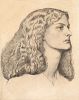
| |
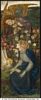
| |
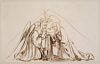
| |
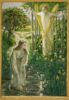
| |
| |
| |
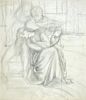
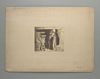
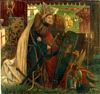
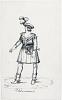
![Page Images Available for The Arming of the Knight [design for the back of an
armchair]](http://www.rossettiarchive.org/img/thumbs_small/sa60.jpg "Go to the Commentary for The Arming of the Knight [design for the back of an
armchair]")
| |
| |
| |
| |
| |
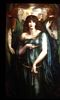
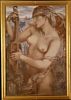
| Aspecta Medusa
1865 October 1865-1868
Andromeda, by Perseus saved and wed, |
|
| |
| |
| |
| B |
| |
| |
| |
| |
| |
| |
| |
| |
| |
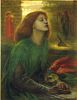
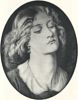
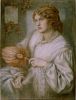
| Beatrice
aka Woman in Medieval Costume
1855 (circa) |
|
| |
| |
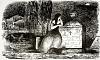
| Beauty and the Bird
aka Bella's Bulfinch
1855 1858 June 25
She fluted with her mouth as when one sips, |
|
| |
| |
| |
| |
| |
| |
| |
| |
| |
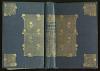
![Page Images Available for Binding Design: Songs Before Sunrise (1871) [1]](http://www.rossettiarchive.org/img/thumbs_small/sa124.jpg "Go to the Commentary for Binding Design: Songs Before Sunrise (1871) [1]")
| |
| |
| |
| |
| |
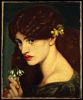
| |
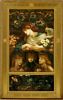
| |
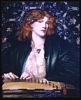
| |
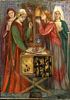
| |
| |
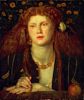
| Bocca Baciata
aka The Song of the Bower
1860 1859
Say, is it day, is it dusk in thy bower, |
|
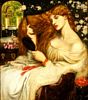
| Body's Beauty
aka Lady Lilith
aka Lilith
1866 1864-1869
Of Adam's first wife, Lilith, it is told |
|
![Page Images Available for [Bohemian Skit. The German Student]](http://www.rossettiarchive.org/img/thumbs_small/f44.fred.jpg "Go to the Commentary for [Bohemian Skit. The German Student]")
| |
| |
| |
| |
| |
| |
| |
| |
| |
| |
| |
| |
| C |
| |
| |
| |
| |
| |
| |
| |
| |
![Page Images Available for [Cartoon in imitation of David Scott]](http://www.rossettiarchive.org/img/thumbs_small/f66.fred.jpg "Go to the Commentary for [Cartoon in imitation of David Scott]")
| |
| |
| |
| |
| |
| |
| |
| |
| |
| |
| |
![Page Images Available for Censing Angel [1]](http://www.rossettiarchive.org/img/thumbs_small/sa178.jpg "Go to the Commentary for Censing Angel [1]")
| |
![Page Images Available for Censing Angel [2]](http://www.rossettiarchive.org/img/thumbs_small/sa179.jpg "Go to the Commentary for Censing Angel [2]")
| |
| |
| |
| |
| |
| |
| |
| |
| |
| |
| |
| |
| |
| |
| |
| |
| |
| |
| |
| |
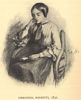
| |
| |
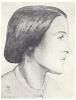
| |
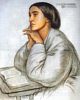
| |
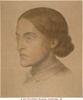
| |
| |
| |
| |
| |
| |
| |
| |
| |
| |
| |
![Page Images Available for [Coat of arms of Polidori family]](http://www.rossettiarchive.org/img/thumbs_small/f69b.fred.jpg "Go to the Commentary for [Coat of arms of Polidori family]")
| |
| |
| |
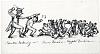
![Page Images Available for [Comic encounter between a cavalleria rusticana and a
girl]](http://www.rossettiarchive.org/img/thumbs_small/f42.fred.jpg "Go to the Commentary for [Comic encounter between a cavalleria rusticana and a
girl]")
| |
| |
| |
| |
| |
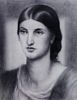
| |
| |
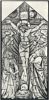
| |
| |
| D |
| |
| |
| |
| |
| |
| |
| |
| |
| |
| |
| |
| |
| |
| |
![Page Images Available for Dante and his Circle [humorous design]](http://www.rossettiarchive.org/img/thumbs_small/sa25.m.jpg "Go to the Commentary for Dante and his Circle [humorous design]")
| |
| Dante at Verona
1848-1850 1852 (circa)
‘Yea, thou shalt learn how salt his food who fares |
|
| |
| |
| |
| |
| |
| |
| |
| |
| |
| |
| |
| |
| |
| |
| |
| |
| |
| |
| |
| |
| |
| |
| |
| |
| |
| |
| |
| |
| |
| |
| |
| |
| |
| |
| |
| |
| |
| |
| |
| |
| |
| |
| |
| |
| |
| |
| |
| E |
| |
| |
| |
| |
| Eden Bower
1869 1863-1864 (circa) or 1869 (circa)
It was Lilith the wife of Adam: |
|
| |
| |
| |
| |
| |
| |
| |
| |
| |
| |
| |
| |
| |
| |
| |
| |
| |
| |
| |
| |
| |
| |
| |
| |
| |
| |
| |
| |
| |
| |
| |
| |
| |
| |
| |
| |
| |
| |
| |
| |
| |
| |
| |
| |
| |
| |
| |
| |
| |
| |
| |
| |
| |
| |
| |
| |
| |
| |
| |
| |
| |
| |
| |
| |
| |
| |
| |
| |
| |
| |
| |
| |
| |
| |
| |
| |
| |
| |
| |
| |
| |
| |
| |
| |
| F |
| |
| |
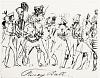
| |
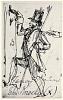
| |
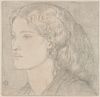
| |
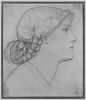
| |
| |
| |
| |
| |
| |
| |
| |
| |
| |
| |
| |
| |
| |
| |
| |
| |
| |
| |
| |
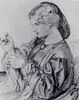
| |
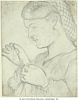
| |
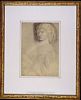
| |
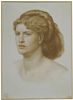
| |
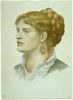
| |
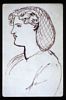
| |
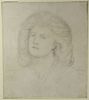
| |
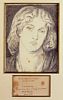
| |
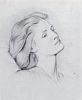
| |
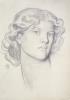
| |
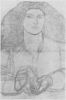
| |
![Page Images Available for Fanny Cornforth [Photograph]](http://www.rossettiarchive.org/img/thumbs_small/sa223.wsfa.jpg "Go to the Commentary for Fanny Cornforth [Photograph]")
| |
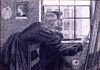
| |
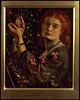
| |
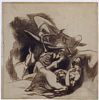
| |
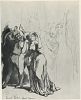
| Faust
aka Faust Part I Last Scene
1848 (circa) |
|
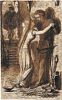
| |
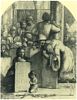
| |
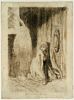
| |
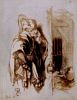
| |
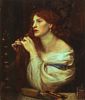
| |
![Page Images Available for [Female figure with serpent-entwined cross]](http://www.rossettiarchive.org/img/thumbs_small/f38a.fred.jpg "Go to the Commentary for [Female figure with serpent-entwined cross]")
| |
| |
| |
| |
| |
| |
| |
| |
| |
| |
| |
| |
| |
| |
| |
| |
| |
| |
| |
| |
![Page Images Available for [Four heads]](http://www.rossettiarchive.org/img/thumbs_small/f99b.jpg "Go to the Commentary for [Four heads]")
| |
| |
![Page Images Available for [Fragmentary design for unknown work]](http://www.rossettiarchive.org/img/thumbs_small/f41.fred.jpg "Go to the Commentary for [Fragmentary design for unknown work]")
| |
| |
| |
| |
| |
| |
| |
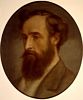
| |
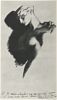
| |
![Page Images Available for [Full torso of a man in left profile]](http://www.rossettiarchive.org/img/thumbs_small/f55c.jpg "Go to the Commentary for [Full torso of a man in left profile]")
| |
| G |
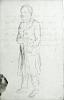
| |
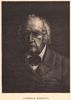
| |
| |
| |
| |
| |
| |
| |
| |
| |
| |
| |
![Page Images Available for [Ghost scene illustrating an unknown subject]](http://www.rossettiarchive.org/img/thumbs_small/f40.fred.jpg "Go to the Commentary for [Ghost scene illustrating an unknown subject]")
| |
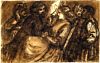
| |
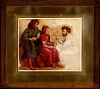
| |
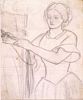
| |
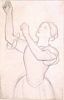
| |
| |
| |
| |
| |
| |
| |
![Page Images Available for [Girl in a bonnet]](http://www.rossettiarchive.org/img/thumbs_small/f55a.fred.jpg "Go to the Commentary for [Girl in a bonnet]")
| |
| |
| |
| |
| |
| |
| |
| |
| |
| |
| |
| |
| |
| |
| |
| |
| |
| |
| |
| |
| |
![Page Images Available for Gwendolen in the Witch-tower [design for the back of an
armchair]](http://www.rossettiarchive.org/img/thumbs_small/sa59.jpg "Go to the Commentary for Gwendolen in the Witch-tower [design for the back of an
armchair]")
| |
| H |
| |
| |
| |
| |
| |
| |
| |
![Page Images Available for [Head of a young girl]](http://www.rossettiarchive.org/img/thumbs_small/f54.fred.jpg "Go to the Commentary for [Head of a young girl]")
| |
| |
| |
| |
| |
| |
| |
| |
| |
| |
| |
| |
| |
| Hero's Lamp
1875
That lamp thou fill'st in Eros' name to-night, |
|
| |
| |
| |
| |
| |
| |
| |
| I |
| |
![Page Images Available for [Illustration for an unknown subject, showing two women]](http://www.rossettiarchive.org/img/thumbs_small/f71b.fred.jpg "Go to the Commentary for [Illustration for an unknown subject, showing two women]")
| |
| |
| |
| |
| |
| |
![Page Images Available for [Illustration for Longfellow's poem “Nuremburg”]](http://www.rossettiarchive.org/img/thumbs_small/f71a.fred.jpg "Go to the Commentary for [Illustration for Longfellow's poem “Nuremburg”]")
| |
| |
| |
| |
| |
| |
| |
| |
| |
| J |
| |
| |
| |
| |
| |
| |
| |
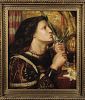
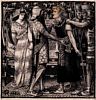
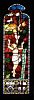
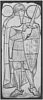
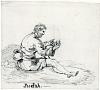
| Joan of Arc
1879 (unfinished) 1863, 1882
This word had Merlin said from of old:— |
|
| |
| |
| |
| |
| |
| |
| |
| |
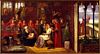
![Page Images Available for Juliet and her Nurse[?]](http://www.rossettiarchive.org/img/thumbs_small/s681.jpg "Go to the Commentary for Juliet and her Nurse[?]")
| |
| |
| |
| K |
| |
| |
| |
| |
| L |
| |
| |
| |
| |
| |
| |
| |
| |
| |
| |
| |
| |
| |
| |
| |
| |
| |
| |
| |
| |
| |
| |
| La Pia. Dante
1868-1880
“Ah! when on earth thy voice again is heard |
|
| |
| |
| |
| |
| |
| |
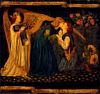
| Love's Greeting
aka Lines from the Roman de la Rose
1850 1861, 1864
Tendre eut la chair comme rousée, |
|
| |
| |
| M |
| |
| |
| |
![Page Images Available for [MacCracken]](http://www.rossettiarchive.org/img/thumbs_small/sa247.hunt.jpg "Go to the Commentary for [MacCracken]")
| |
| |
| |
| |
| |
| |
| |
| |
| |
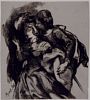
| |
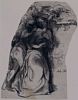
| |
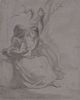
| |
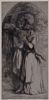
| |
| |
| |
| |
| |
![Page Images Available for [Man in right profile]](http://www.rossettiarchive.org/img/thumbs_small/f57b.fred.jpg "Go to the Commentary for [Man in right profile]")
| |
| |
| |
| |
| |
| |
| |
| |
| |
| |
| |
| |
| |
| |
| |
| |
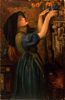
| Marigolds
aka Bower Maiden
aka Fleurs de Marie
1873 |
|
| |
| |
| |
| |
| |
| |
| |
| |
| |
| |
| |
| |
![Page Images Available for Mephistophelean figure: [The Bottle Imp(?)]](http://www.rossettiarchive.org/img/thumbs_small/f93b.jpg "Go to the Commentary for Mephistophelean figure: [The Bottle Imp(?)]")
| |
| |
| |
| |
| |
| |
| |
| |
| |
| |
| |
| |
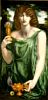
| Mnemosyne
1880
Thou fill'st from the winged chalice of the soul |
|
| |
| |
![Page Images Available for [Monk in habit]](http://www.rossettiarchive.org/img/thumbs_small/f94a.jpg "Go to the Commentary for [Monk in habit]")
| |
| |
| |
| |
| |
| |
| |
| |
| |
| |
| |
| |
| |
| |
| |
| |
| |
| |
| |
| |
| |
| |
| |
| |
| |
| |
| |
| |
| |
| |
| |
| |
| |
| |
| |
| |
| |
| |
| |
| |
| |
| |
| |
| |
| |
| |
| |
| |
| |
| |
| |
| |
| |
| |
| |
| |
| |
| |
| |
| |
| |
| |
| |
| |
| |
| |
| |
| |
| |
| |
| |
| |
| |
| |
| |
| |
| |
| |
| |
| |
| |
| |
| |
| |
| |
| |
| |
| |
| |
| N |
| |
| |
| |
| |
| |
| O |
| Old and New Art (group of 3 poems)
aka St. Luke the Painter [sonnet I]
aka The Mission of Luke [sonnet I]
1849 1849 (text); 1857 (picture, circa)
Give honour unto Luke Evangelist; |
|
| |
| |
![Page Images Available for [An Old Woman in right profile]](http://www.rossettiarchive.org/img/thumbs_small/f56a.jpg "Go to the Commentary for [An Old Woman in right profile]")
| |
| |
| |
| |
| P |
| |
| |
| |
| |
| |
| |
| |
| |
| |
| |
| |
| |
| |
| |
| |
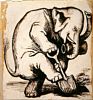
| Parted Love!
aka The Wombat
1869 September 10 1869 September-1869 November (circa)
Oh! how the family affections combat |
|
| |
| |
| |
| |
| |
| |
| |
| |
| |
| |
| |
| |
| |
| |
| |
| |
| |
| |
| |
| |
| |
| |
![Page Images Available for [Portrait of Unidentified Woman]](http://www.rossettiarchive.org/img/thumbs_small/f111.fred.jpg "Go to the Commentary for [Portrait of Unidentified Woman]")
| |
| |
| |
| |
| |
| |
| |
![Page Images Available for [Priest holding communion cup]](http://www.rossettiarchive.org/img/thumbs_small/f94b.jpg "Go to the Commentary for [Priest holding communion cup]")
| |
| |
| |
| |
| |
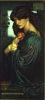
| Proserpine
aka Proserpina
1872 1871-1882 1872 1872
Lungi è la luce che in sù questo muro |
|
| Q |
| |
| |
| |
| |
| |
| |
| R |
![Page Images Available for [A Rainy Scene]](http://www.rossettiarchive.org/img/thumbs_small/f96a.fred.jpg "Go to the Commentary for [A Rainy Scene]")
| |
| |
| |
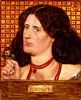
| |
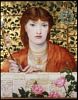
| |
| |
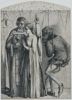
| |
| |
| |
| |
| |
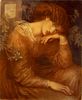
| |
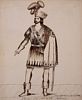
| |
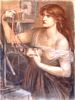
| Risen at Dawn
aka Gretchen discovering the jewels
1865-1880 (circa) |
|

| |
| |
| |
| |
| |
| |
| |
| |
| |
| |
| |
| |
| |
| |
| |
| |
| |
| |
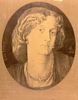
| |
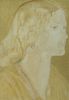
| |
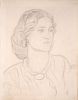
| |
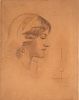
| |
| |
| |
| |
| |
| |
| S |
| |
| |
| |
| |
| |
| |
| |
| |
| |
| |
| |
| |
| |
| |
| |

| |
| |
| |
| |
| |
| |
| |
| |
| |
| |
| |
| |
| Sister Helen
1851-1852 1870 (circa)
‘Why did you melt your waxen man, |
|
| |
| |
| |
| |
| |
| |
| |
| |
| |
| |
| |
| |
| |
| |
| |
| |
| |
| Soul's Beauty
aka Sibylla Palmifera
1866 1864-1870
Under the arch of Life, where love and death, |
|
| |
| |
| |
| |
| |
| |
| |
| |
| |
| |
| |
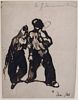
![Page Images Available for [Standing couple, holding hands]](http://www.rossettiarchive.org/img/thumbs_small/f43.fred.jpg "Go to the Commentary for [Standing couple, holding hands]")
| |
![Page Images Available for [Standing Female, Reminiscent of Dulcinea in Don
Quixote]](http://www.rossettiarchive.org/img/thumbs_small/f36.fred.jpg "Go to the Commentary for [Standing Female, Reminiscent of Dulcinea in Don
Quixote]")
| |
![Page Images Available for [Standing female]](http://www.rossettiarchive.org/img/thumbs_small/f37.jpg "Go to the Commentary for [Standing female]")
| |
| |
| |
| |
| |
| |
| |
| |
| |
![Page Images Available for [Study for an unknown work; Haloed figure, perhaps
Daphne]](http://www.rossettiarchive.org/img/thumbs_small/f31.fred.jpg "Go to the Commentary for [Study for an unknown work; Haloed figure, perhaps
Daphne]")
| |
![Page Images Available for [Study for an unknown work]](http://www.rossettiarchive.org/img/thumbs_small/f27.jpg "Go to the Commentary for [Study for an unknown work]")
| |
| |
| |
| |
| |
| |
| |
| |
| |
| |
| |
| |
| |
![Page Images Available for Study of Hands [Unidentified Poertrait: 45]](http://www.rossettiarchive.org/img/thumbs_small/s587.jpg "Go to the Commentary for Study of Hands [Unidentified Poertrait: 45]")
| |
| |
| |
| |
| |
| T |
| |
| |
| |
| |
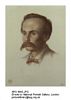
| |
| |
| |
| |
| |
| |
| |
| |
![Page Images Available for [Three small monograms]](http://www.rossettiarchive.org/img/thumbs_small/f69a.fred.jpg "Go to the Commentary for [Three small monograms]")
| |
| |
| |
| |
| |
| |
| |
| Troy Town
1869-1870 1863-1864; 1869-1870
Heavenborn Helen, Sparta's queen, |
|
| |
| |
| |
| |
| |
| |
| |
| |
| |
| |
| |
| |
| |
| |
| |
| |
| |
| |
| |
| |
| |
| |
| |
| U |
| |
| |
| |
| |
| |
| |
| |
| |
| |
| |
| |
| |
| |
| |
| |
| |
| |
| |
| |
| |
| |
| |
| |
| |
| |
| |
| |
| |
| |
| |
| |
| |
| |
| |
| |
| |
| |
| |
| |
| |
| |
| |
| |
| V |
| |
| |
| |
| |
| |
| |
| |
| |
| |
| W |
| |
| |
| |
| |
| |
| |
| |
| |
| |
| |
| |
| |
| |
| |
| |
| |
| |
| |
| |
| |
| |
| |
| |
| |
| |
| |
| |
| |
| |
| |
| |
| |
| |
| |
| |
| |
| |
| |
| |
| |
| |
| |
| |
| |
| |
| |
| |
| |
| |
| |
| Y |
| |
| |
| |
| |
| |
| |
| |
| |
| |
| |
| |
| |
| |
| |
| ‘ |
| |
| |
Rossetti's work as an artist is best understood by remembering that he was also a great poet. The vast majority of his pictures are more or less explicitly literary. Indeed, even in cases where no literary equivalent exists for a picture, Rossetti would often create a text, as in cases like Found, La Bella Mano, and The Question. This literary inertia in his pictures underscores their determined intellectualism. The persistence of erotic subjects, and the subjective passion of his style, has obscured this important quality of all his work. To miss it, however, is to miss what is most salient and original about him. As T. Martin Wood acutely observed many years ago, Rossetti strove “to attain in art not an imitation of life but an expression of his ideas about it. ”
Such a pursuit necessarily involved Rossetti in a self-conscious and even programmatic approach to his artistic practise. “Hand and Soul”, though a fictional work, is also one of many theoretical documents that Rossetti wrote about art and its relation to ideal (and ideational) goals. Many of his pictures have the same intellectual, even polemical, character. The technical virtues of his work—for example, his extraordinary use of color, his powerful and complex composition—evolved as methods for dealing with what were primarily intellectual and spiritual problems. For his art is always a means to an end, visionary in each case.
In this connection we are dealing with a central and still under-appreciated Rossettian attitude toward the practise of art (in whatever medium): that it is in itself an intellectual activity. His famous demand for “fundamental brainwork” in aesthetic work is founded in a conviction that art is a more powerful form of thought and intellection than the forms we associate with criticism and philosophy. Rossetti's position involves a radical challenge to Plato's infamous idea that artists should be banished from The City. For Rossetti, an artistic medium is always a more adequate means for exploring and expressing ideas.
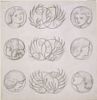
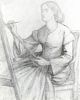
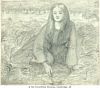
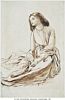
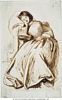
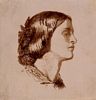
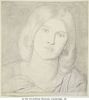
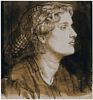
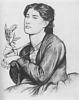
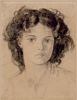
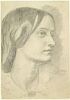
That ideated approach to his work helps to explain the wide-ranging character of Rossetti's purely artistic output. His drawings, watercolours, and oils are all remarkable. Two sets of drawings are especially significant: first, the series of sketches and finished studies of his wife Elizabeth, most done before they were married in May 1860; second, the series devoted to Jane Morris. At one point (in 1878) Rossetti thought to make a selection of these and have them printed, along with a series of accompanying poetic texts, under the title Perlascura: Twelve Coins for One Queen. Almost equally significant is the work he did in photography and stained glass design.
Rossetti's earliest recorded picture is a drawing dated by Rossetti's mother 1834, The Rocking Horse. A fair number of exercise drawings and juvenilia survive from the years up to 1841, when Rossetti entered Sass's Academy, an art school that prepared students for the Academy schools. Those early drawings are not without considerable interest. As both William Michael Rossetti and Marillier point out, DGR clearly took a great interest in toy theatre prints, with their highly stylized treatment of subject matter, their flat and linear style, and—in the case of the colored examples of such works—their fresh and bright colors. As he continued to play at or experiment with drawing he and his brother developed a strong admiration for Gavarni's work, an influence that is especially notable in the 40s and early 50s.
Rossetti eventually entered the Royal Academy in 1845 as a probationer. He was unhappy with the academic regimen, however, and in 1848 he asked the established painter Ford Madox Brown to take him as a private student. Brown agreed and Rossetti produced his first oil under Brown's tutelage, the still life Bottles (1848). But Rossetti also grew restive under Brown's discipline, and when he became aware, later in 1848, of the work of the young painter William Holman Hunt, he left Brown and moved into a studio with Hunt. Out of this association of Hunt and Rossetti grew the Pre-Raphaelite movement.
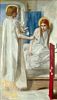
Rossetti's first two important paintings were executed at this point, The Girlhood of Mary Virgin and Ecce Ancilla Domini!. The two works are closely related. When Rossetti exhibited the former at the Free Exhibition in 1849 it was signed with the famous initials PRB, a deliberately cryptic and provocative announcement of the anti-academic “Pre-Raphaelite Brotherhood.” When a year later he exhibited the second painting at the National Institution, Portland Gallery, the work drew a storm of abusive criticism. Anglo if not Roman Catholic tendencies were perceived in the work, and its primitive style was seen as a perverse refusal of standard academic procedures with illusionist composition.
At its exhibition The Girlhood of Mary Virgin also had attached to its frame a leaf of gold-faced paper which bore two sonnets by Rossetti. These poems translate, as it were, the substance of the painting into a verbal equivalent. Rossetti would eventually produce a number of other poems “for pictures” by himself and other artists as well, and in one celebrated case— The Blessed Damozel—he made a painting to accompany one of his poems.
The controversy generated by the paintings of Rossetti and the other Pre-Raphaelites eventually brought John Ruskin to their defence. Ruskin's approval of the new movement in British art proved decisive in helping the PRB painters to gain acceptance. By the mid-50s Rossetti's reputation as a painter was solidly established, and he would eventually become a dominating presence in late nineteenth-century art, commanding large prices for his work.
However, Rossetti did not exhibit often. His work was largely produced for a small group of men and women who bought or commissioned Rossetti's pictures. He was also one of the first artists to realize and use photography as a means for disseminating knowledge of his work.
Perhaps the most significant, certainly the most distinctive, feature of Rossetti's work is what has been called his “double work of art”; that is, pictures he made to illustrate or interpret literary works, or pictures that were executed in relation to his own writing. These pictures call out to literary texts that will comment upon or extend or otherwise rhyme with the picture. (Occasionally the relationship goes in the other direction.) Rossetti's habit of attaching textual materials to his pictures signals this impulse toward a double work of art. Sometimes texts are incorporated within the picture itself, sometimes they are part of the frame, sometimes both.
Like Madox Brown, Rossetti designed his frames as an integral part of the pictorial event. Whistler's celebrated ideas about the total work of art—his concern for picture frames and suitable interior decoration—derive from his intercourse with Rossetti and his circle in the early 1860s. Rossetti himself made some stunning frames for various pictures in the 50s and 60s. Particularly notable are certain frames for early pictures that were clearly being conceived in an iconic way. Dantis Amor and other works of that kind provide good examples of this important feature of his pictorial imagination.
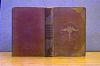
Perhaps equally important are his experiments in book design and book illustration. Rossetti was one of the first to develop a clear conception of what would soon be called the “sacred book”: a totalized conception of the book as an expressive vehicle in which the artist would attend to every detail of the book design, from page layout to choice of ornamental endpapers to the stunning gold-stamped decorated cover. His well-known book illustrations (for example, his designs for Moxon's illustrated edition of Tennyson's selected poetry) as well as his book designs of the 1860s forecast the meticulous attention he would lavish on every feature of his 1870 book of Poems.
Rossetti's work as an artist is traditionally broken into three periods: the early work, up to approximately 1860; a middle period, ending in approximately 1871; and the later work. After his startling first oils, Rossetti's pictorial work in the 50s is dominated by his drawings of Elizabeth Siddall—all “stamped with immortality”, as Madox Brown observed—and the great series of watercolours, chiefly dealing with Dantean, Arthurian, and chivalric subjects. In purely formal terms the work represents an investigation of the resources of line, plane, and the dramatic use of simple color arrangements. The works are typically built up as color fields using only the three primaries, along with gold, white, and black. He carried out these works under the eye and encouragement of Ruskin, who brought Rossetti into the Working Men's College at this time to teach drawing.
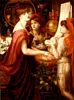
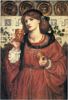
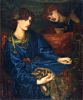
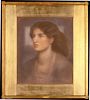
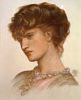
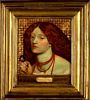
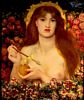
After his wife's death in early 1862 Rossetti gave most of his attention to work in oils. But the move (back) to oils involved a programmatic decision to study and exploit the more voluptuous style of Titian and Venetian art in general. Ruskin may have been an influence here as well, although he soon came to deplore what he (like Holman Hunt) saw as the grossness and sensuality of Rossetti's new style. In this case the pivotal work is Bocca Baciata, done in 1859. An explicitly Titianesque work, it also marks the emergence of the famous “Rossetti Woman.” For the rest of his life Rossetti would spend his chief artistic energies on a series of imposing portraits of large, beautiful women with columnar necks, thick, full heads of hair, haunted, soulful eyes, and full sensual lips. These figures are placed in hieratic scenes of various kinds, and their sensual power is often reinforced with elaborate floral paraphernalia. One wants to remember, however, that the initiating work in this famous line of pictures is a small painting, scarcely 13 x 11 inches, and that he worked in small canvasses for some time.
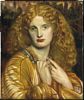
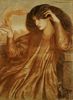
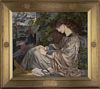
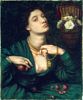
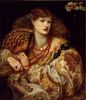
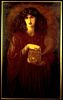
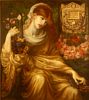
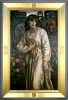
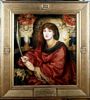
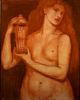
It has been observed, with good reason, that these imaginative portraits tend to arrange themselves as a dialectic of “Madonna and Whore” figures. That classic antithesis, in Rossettian terms, is typified by the pictures of Sibylla Palmifera and Lady Lilith, with their textual equivalents “Soul's Beauty” and “Body's Beauty”. The polarity indeed appears throughout Rossetti's work. It defines the territory of his imagination, which he understood as an instrument of visionary adventure and pursuit. His object was to study the transformations of art and beauty, including the relation of art and beauty to the (reciprocal) orders of the quotidian and the ugly. To understand the latter aspect of Rossetti's work is to appreciate the inadequacy of another view of his female portraits—that they are repetitive and undifferentiated -- which was fairly widespread during his period of eclipse in the first part of the twentieth-century. But considered in moral terms, all of Rossetti's women are usually quite ambiguous. He repeatedly uses these ambiguities as a means to generate new and changing forms of imaginative desire. He also uses them to reflect on the ideology of culture in various general and specific ways. Great paintings like Monna Vanna and Fazio's Mistress exemplify this regular feature of his work.
Equally important to realize is the psycho-social significance of Rossetti's fetishized and ambiguous images. Rossetti is well aware that these pictures, like Titian's, represent portraits of an age, and of the artist's (Rossetti's own) imagination as representative of the age. His clear apprehension—in both senses—of the moral equivocalness of his world is a recurrent and explicit subject of his writing, and it grounds his pictorial work as well. Art is “ideal” for Rossetti exactly because it preserves its revelatory powers even while (and as) it is meshed with the darkness it comes to illumine.
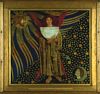
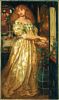
Rossetti did not break any significant new intellectual ground in his final period, which coincides more or less with the last ten years of his life. He was often occupied with repainting earlier work, or making copies. That duplicating process has been taken as a sign of Rossetti's flagging powers, on one hand, and of the factitiousness of his work on the other. There is no question that he undertook copy-making for financial gain, or that he had some of this work done by a studio assistant. But certain of these duplications also show that Rossetti used the process to rethink and reimagine his work and ideas. The two paintings called The Damsel of the Sanct Grael (1857 and 1874), the various Lilith pictures, and most especially the whole series of Beata Beatrix paintings and drawings, demonstrate the kinds of opportunity that were available in this kind of work.
Rossetti's last period also has some of his most remarkable and famous works like The Blessed Damozel, Proserpine, Astarte Syriaca, and Mnemosyne. The erotic force of the last three of these works is astonishing (and, to many, quite disturbing as well). They are also important for calling attention to the integrity of Rossetti's work as a whole. The turn to Venetian models has been rightly judged a turn to more and more elaborately decorative methods and effects. But even in his early ”Pre-Raphaelite” phase Rossetti had little interest in the realisms pursued by Hunt and Millais. Hunt did not share Rossetti's early interest in the Italian primitives because he was not, as Rossetti was, interested in breaking the spell of illusionist conventions. Rossetti's Pre-Raphaelite work is always decorative and aesthetic in its orientation. Its religious qualities are far more sacramental than they are moral—in this respect, more “Catholic” than “Protestant.” Rossetti's Pre-Raphaelite phase, then, was a process which confirmed him in an artistic practise that was primarily a devotional exercise, and not a display of what he called, in his early manifesto sonnet “St. Luke the Painter,” "soulless self-reflections of man's skill.” So when we see in the composition of that late “pagan” work Astarte Syriaca the form of a traditional enthroned madonna with attendant angels, we are glimpsing a continuity—at once erotic and ideal—that underpins his work as a whole.